What the Chemical Pack Sealer does on a busy line
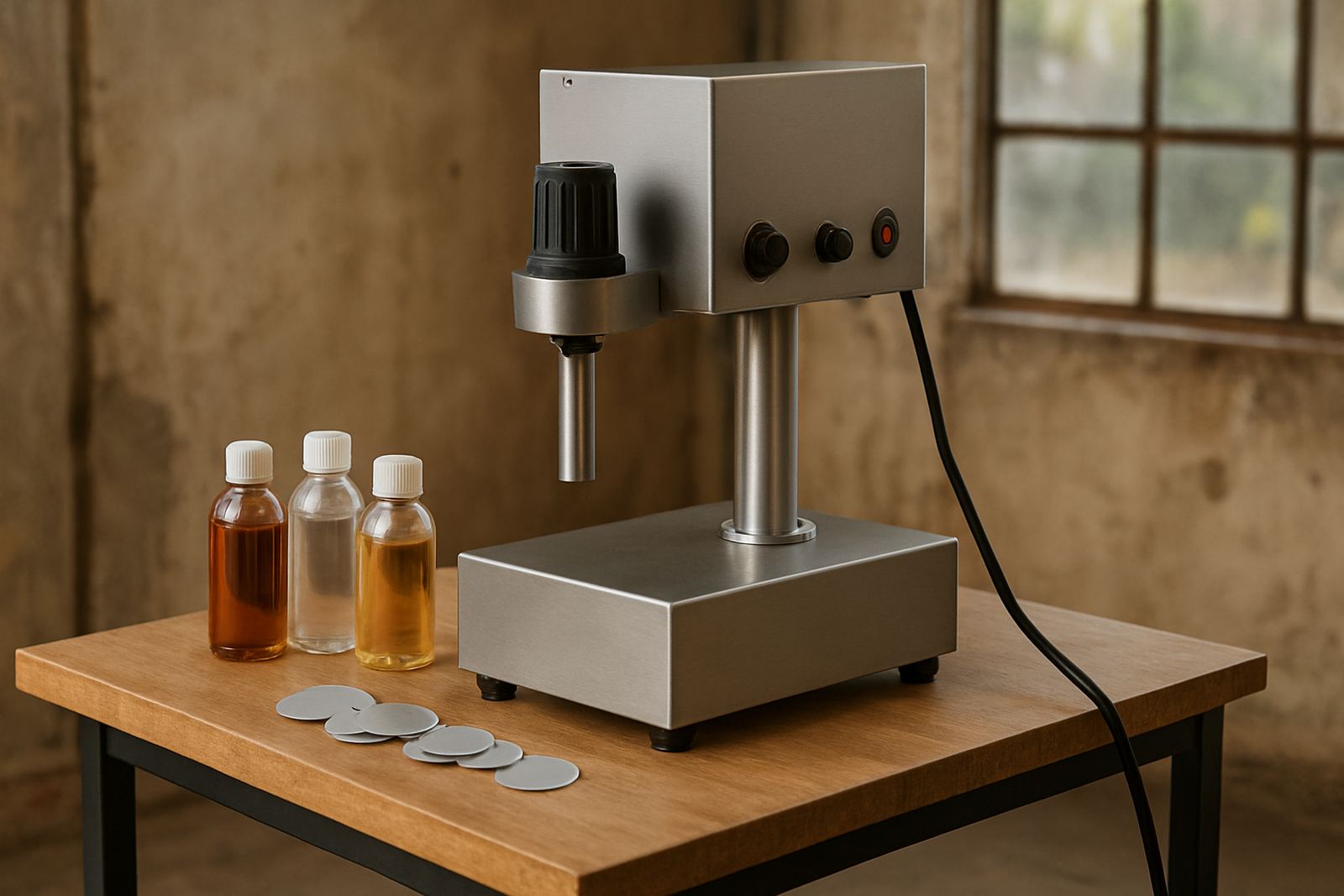
This unit applies an induction seal to the mouth of a filled container using a foil liner inside the cap. Once the cap passes under the sealing head, heat is transferred through the closure and bonds the liner to the container finish. The result is a tamper-evident barrier that helps reduce leaks, evaporation and contamination on chemical packs.
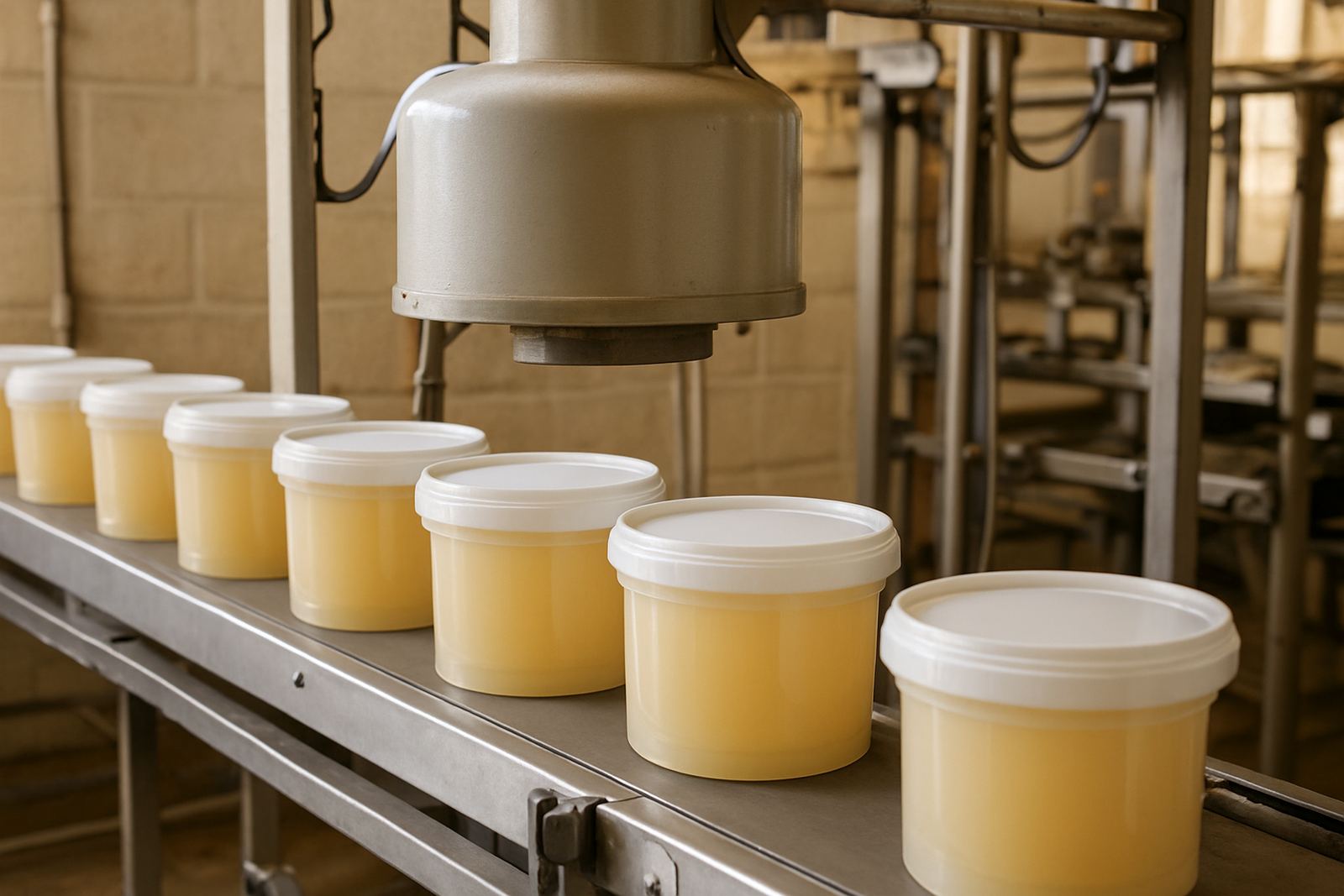
For local production, that matters. Chemical products are often packed in plant rooms with dust, moisture, and frequent changeovers, plus the usual pressure of load-shedding and stop-start running. A well set sealer gives the packing team a repeatable process, even when the line is working hard. It is commonly used for liquid detergents, solvents, cleaning concentrates, pool chemicals, fertiliser blends and similar container formats.
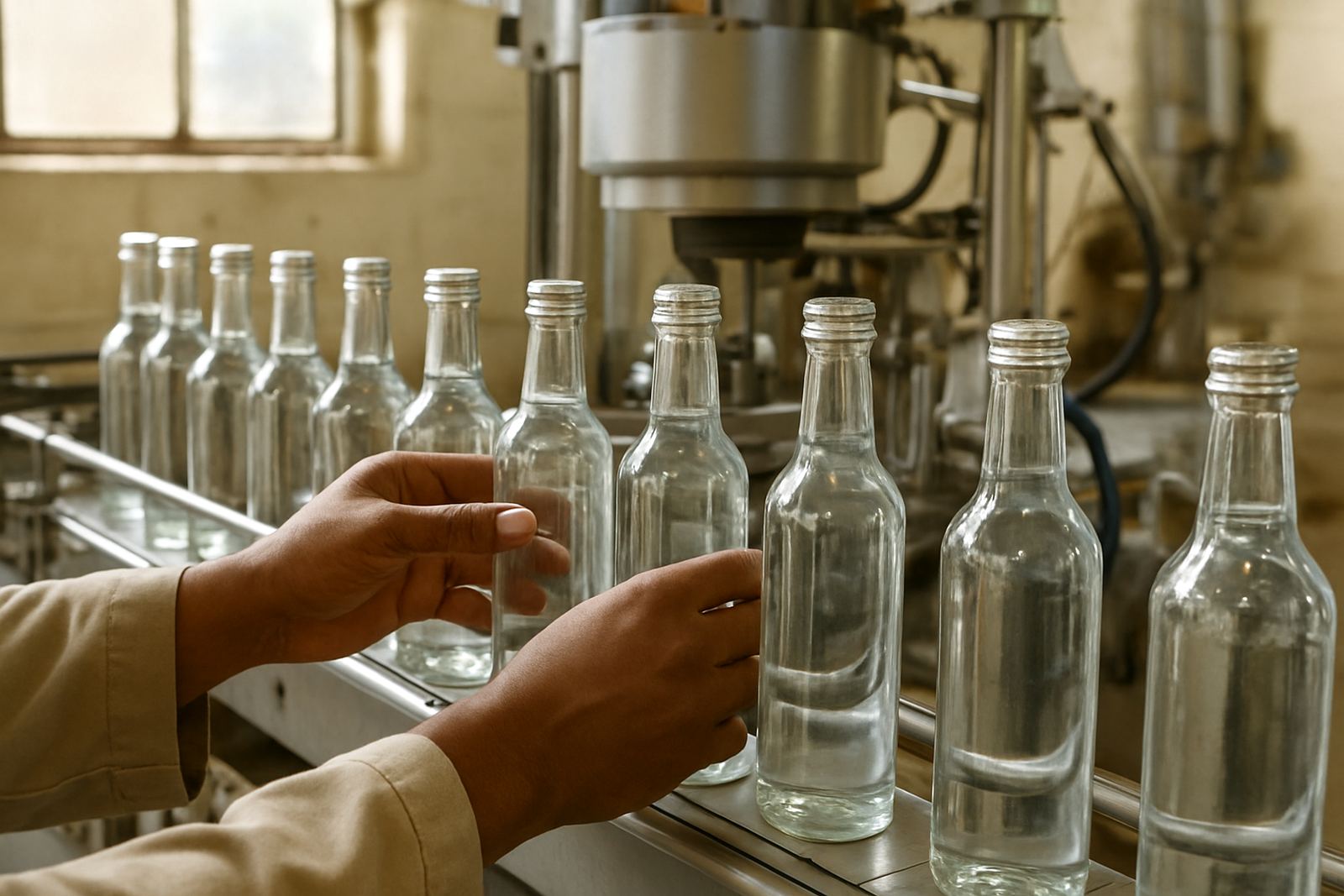
Because chemical containers vary from small HDPE bottles to wider neck jars and jerry cans, the sealing unit must be matched to the cap style, liner type and line speed. Bottle Sealers supplies units and foil liners for a practical fit, not guesswork, so the finished pack holds up in transit and on shelf.
Container sizes, head options and line speeds
Chemical pack sealing is not one size fits all. The right setup depends on the neck finish, cap height, container diameter and how many packs you need to seal each hour. Some plants only need a compact bench or inline head for lower volumes, while others need a heavier-duty unit that keeps pace with an automatic capper or filler.
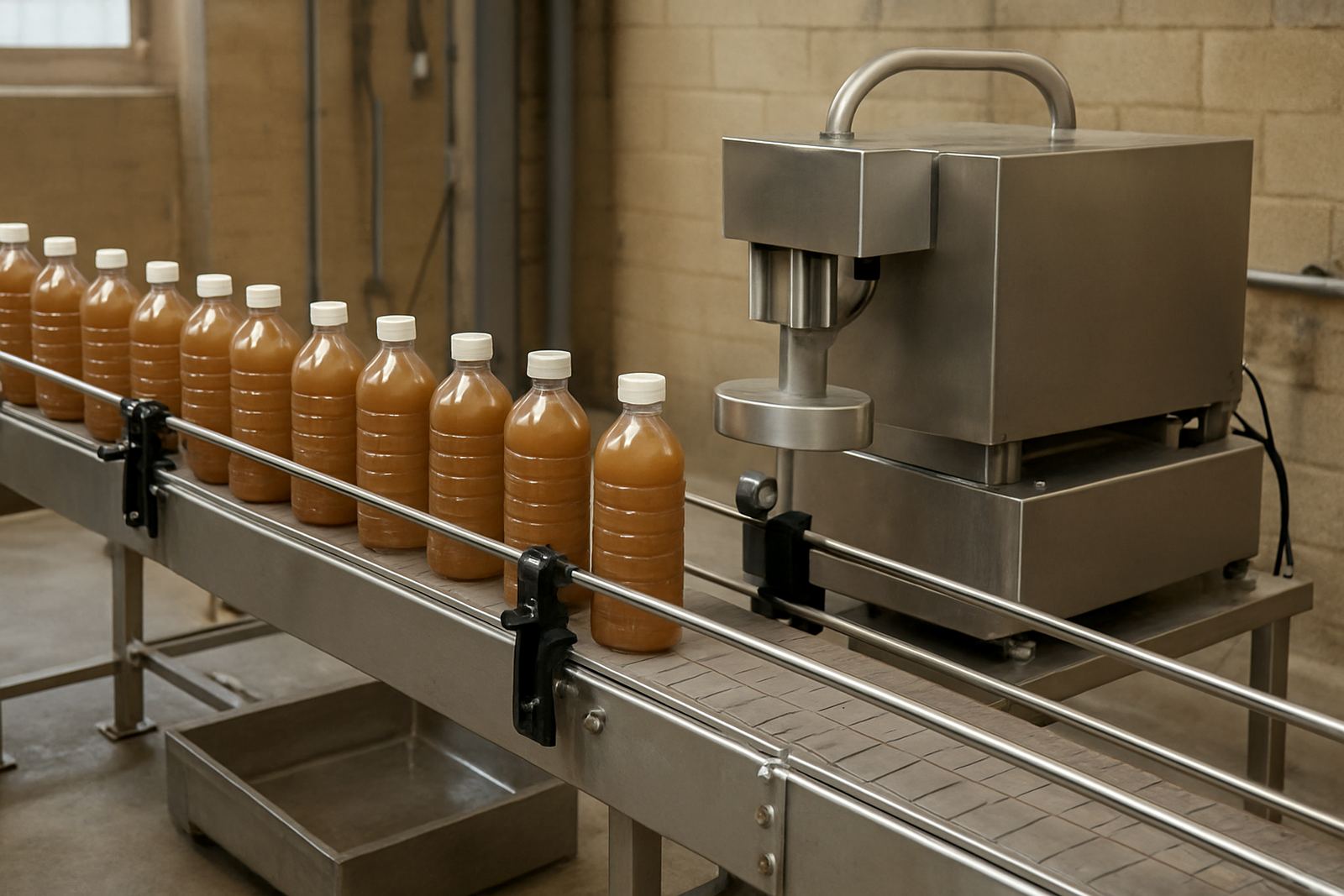
Typical options include a handheld or portable sealing head for small batch work, a stand-mounted head for semi-automatic lines, and an inline induction sealer for continuous production. For larger chemical packs, the sealing aperture and cooling time need to be set correctly so the liner bonds without scorching the cap or deforming the container neck. That is where proper matching saves time, and avoids rejects.
- Suitable for bottle necks from about 20 mm to 120 mm, depending on cap and liner design
- Works with HDPE, PET, PP and other common chemical pack materials
- Can be matched to slower batch packing or higher-output lines
- Available in compact and heavier-duty configurations for different plant layouts
For coastal sites in Durban, Richards Bay and similar areas, the correct liner choice is important because humidity can affect storage and handling before sealing. A liner that suits the pack, and a head that gives steady heat control, makes a real difference.
Where it suits best in South Africa
This product suits chemical packers working in factories, filling plants and contract packing lines. It is often specified for products that need clear tamper evidence and a tighter seal under transport vibration, especially when goods travel between Gauteng, KwaZulu-Natal, the Western Cape and inland depots.
It is a practical fit for plants in Jacobs, Pinetown, Prospecton and Pietermaritzburg where production space is tight and the line has to run with minimal downtime. It also works well for Richards Bay operations that deal with coastal moisture and heavier industrial packaging conditions. If the pack line must meet customer audit requirements or internal QA rules, induction sealing gives a simple recordable control point.
- Liquid chemicals and cleaning concentrates
- Industrial additives and maintenance fluids
- Packaging lines that need tamper evidence
- Operations with frequent changeovers or multiple container sizes
In plants where municipal discharge, spill control and storage rules are monitored closely, the sealing stage helps reduce leaks before product leaves site. That is useful when packs are moved by forklift, pallet jack or courier over uneven yard surfaces, which happens more often than anyone likes.
Installation, power and site requirements
Installation depends on whether the unit is used as a standalone station or built into a capping line. Most plants will need a stable mounting point, correct head height, and enough conveyor control to keep each cap centred under the sealing head. Bottle Sealers can assist with site installation, line commissioning and operator training so the first run is set up properly.
Power requirements vary by model and output, but many units use standard single-phase or three-phase supply depending on the application. On sites affected by load-shedding, it is worth planning for surge protection and a controlled shutdown routine so settings are not lost and components are not damaged. If the line is running in a chemical environment, keep the head area clean and away from fumes, overspray and direct washdown unless the unit is specified for that duty.
- Stable electrical supply with surge protection recommended
- Correct cap torque and container alignment are essential
- Ventilation or extraction may be needed in solvent-heavy areas
- Mounting must allow easy access for cleaning and liner checks
For new installs, our team checks container flow, cap presentation, seal dwell time and line speed so the machine is matched to the actual product, not just the brochure spec.
Care, servicing and keeping seals consistent
Like any packaging machine, a chemical pack sealer needs regular attention to keep seals steady. The sealing head should be checked for dust build-up, wear on contact parts, and any drift in output over time. If the machine is left in a busy packing room, residue from caps, labels or product vapour can affect performance.
Preventive maintenance is usually simpler than breakdown repairs. A short monthly check can pick up loose connections, worn components or changes in line position before they become a stoppage. Where plants run long shifts, it helps to keep spare liners, basic wear parts and a service record on site. That avoids waiting for a critical part while production is sitting idle, which can cost more than the service itself.
Bottle Sealers offers preventive maintenance, breakdown repairs, spares supply, remote support and seal validation. If a site is unsure whether the current liner matches the container finish, liner matching can save a lot of trouble. A good seal should look even, sit flat and lift cleanly when tested under the right conditions.
What to confirm before ordering
Before you place an order, it helps to gather the basic packing details so the right unit and liner are supplied first time. The most important points are container material, neck diameter, cap style, target output and the type of product being packed. If the container is being exported or moved across long distances, the sealing spec may also need to account for temperature swings and rough handling.
- Container material and neck finish
- Cap type, liner type and closure height
- Pack size, line speed and whether the line is manual or automatic
- Product chemistry, especially for corrosive or solvent-based fills
- Available power supply and space on the line
- Whether you need installation, commissioning or operator training
If you are unsure, send product photos, sample caps, container drawings or a short video of the line. That gives the technical team enough information to advise on the correct head, liner and setup. It is a practical way to avoid the wrong fit, and it keeps the project moving without unnecessary back-and-forth.
Key facts
| Sealing method | Induction sealing with foil liner bonded inside the cap |
|---|---|
| Container compatibility | Plastic chemical bottles, jars and jerry cans with suitable neck finishes |
| Typical neck range | About 20 mm to 120 mm depending on model and liner |
| Power supply | Single-phase or three-phase options depending on configuration |
| Output | Matched to manual, semi-automatic or inline packing speeds |
| Support services | Installation, commissioning, training, maintenance, spares and remote support |