What the Bench Sealer 500 does on a small line
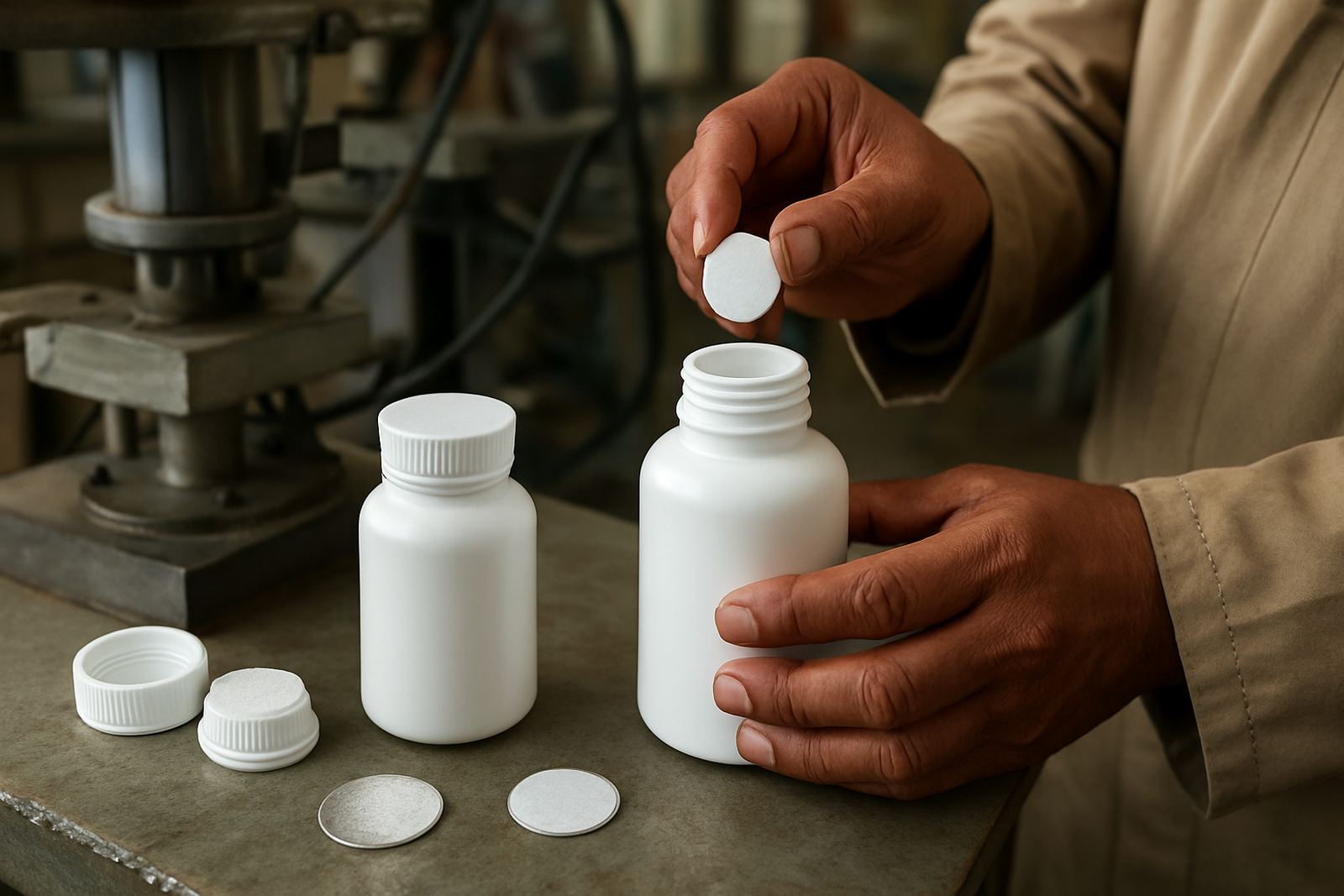
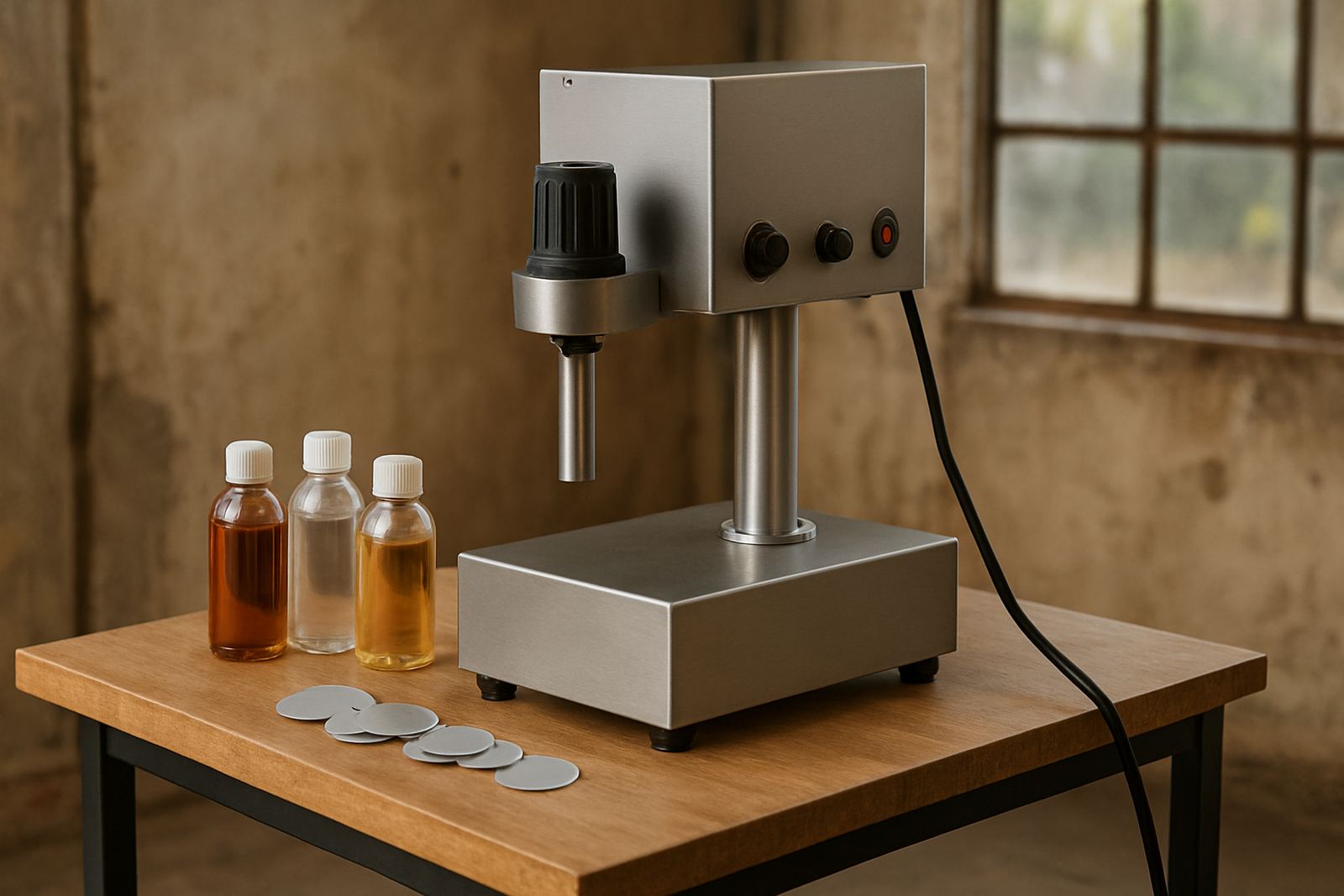
The Bench Sealer 500 is made for operators who need reliable induction sealing on a smaller footprint. It is typically used to bond foil liners inside bottle caps after filling, creating a secure closure that helps protect the product from leaks, tampering and moisture ingress. For local packers in Jacobs, Pinetown and Prospecton, that matters when you are running trial batches, niche products or a few thousand units a day rather than a high speed production line.
This unit is best suited to capped containers where the bottle neck and liner are matched correctly. It works well on plastics such as PET and HDPE and is often used on jars and bottles for powders, liquids, creams and granules. The seal is formed through controlled induction heat, so the cap itself is not heated directly in the same way as a hot plate system. That helps keep the process neat and consistent, especially on lines where product appearance and pack integrity are both important.
- Compact bench mounted footprint for limited floor space
- Suitable for product trials and short production runs
- Helps improve tamper evidence and shelf protection
- Can be integrated after capping on manual or semi automatic lines
Size options and the line setups it suits
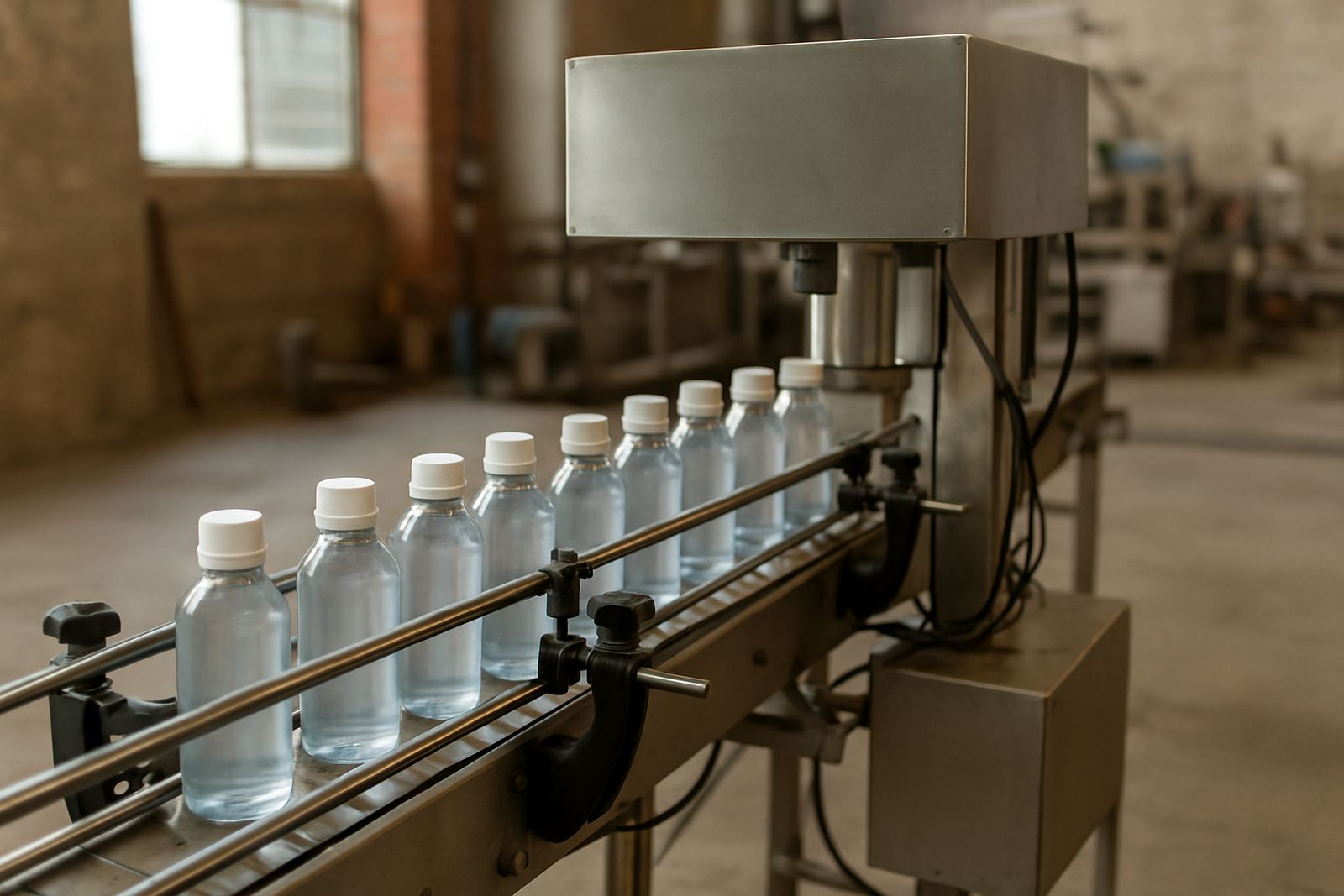
This model is usually chosen for low to medium output applications where the operator needs control more than speed. It fits neatly onto a packing table or small conveyor set-up, and it is common on lines that change products often. If you are sealing different bottle sizes in the same week, the Bench Sealer 500 gives enough flexibility to test liner performance and confirm the right settings before committing to larger volumes.
It suits contract packers, laboratories, regional food producers and chemical fillers who need to validate a pack before scaling up. In Durban and along the coast, where humidity can affect carton storage and foil liners, a bench unit is also useful for checking whether your bottle, cap and liner combination is holding up properly before full release. That kind of testing can save costly rework later.
- Works with a range of bottle neck diameters depending on cap and liner format
- Can be used on manual filling tables or beside a short conveyor
- Useful for sample packs, pilot runs and seasonal products
- Suited to one operator or a small packing team
Power, installation and site needs
Installation is straightforward, but it still needs the right electrical supply and a steady work area. The Bench Sealer 500 normally runs from standard single phase mains power, which makes it practical for smaller factories and pilot rooms where three phase power is not available. A clean, level surface is important, and the unit should be positioned where the operator can cap, seal and inspect without stretching across other equipment.
For most South African sites, the main points are power stability, earthing and space for safe handling. If your plant is affected by load-shedding, a suitable backup supply or line sequencing plan is worth considering because poor voltage can affect consistent sealing. We also look at bottle presentation, conveyor height and cap feed method during commissioning so the unit suits the actual pack line rather than just the brochure spec.
- Single phase electrical supply, typically 220 to 240 V AC
- Needs a stable, earthed power point close to the sealing position
- Works on bench tops or small conveyors with correct alignment
- Best installed away from heavy vibration and excess moisture
Where it is used in food, pharma and chemical packing
Across Durban, Pietermaritzburg and Richards Bay, this kind of sealer is often used for products that must stay clean and protected through transport and storage. Food producers use it for sauces, dry goods and health products. Pharmaceutical packers use it on sample bottles, supplements and regulated containers. Chemical fillers use it for specialty liquids and smaller packs where a secure seal helps reduce spillage and returns.
The unit is also useful where municipal or distributor requirements call for clear pack integrity checks before goods leave the site. In coastal areas, the foil liner helps protect against humidity, while in inland depots it helps reduce contamination risk during handling and transit. If your product moves through warehouse racking, retailer distribution or courier networks, a well matched induction seal gives the pack a better chance of arriving in good condition.
- Food and beverage sampling packs
- Pharmaceutical and health product containers
- Chemical and household liquid bottles
- Trial batches before full line scaling
Care, servicing and day to day checks
Like any sealing machine, the Bench Sealer 500 works best when it is kept clean and checked regularly. The sealing head should be free of dust, adhesive residue and product build-up. Operators should inspect caps, liners and bottle necks before every run, because a poor liner match or a damaged thread will cause weak seals even if the machine settings are correct. Keeping a simple logbook of settings, bottle sizes and liner types makes troubleshooting much easier.
We recommend routine preventive maintenance rather than waiting for a breakdown. That usually includes cable checks, mechanical inspection and verifying that the sealing head is positioned correctly over the pack path. If your site runs multiple shifts or varies products often, planned servicing can prevent down time. In Jacobs and the surrounding industrial areas, our team can assist with line commissioning, operator training and remote support if you need quick help during a changeover.
- Wipe down the head and work surface daily
- Check liner fit and cap torque before sealing starts
- Inspect power leads and controls at regular intervals
- Book preventive maintenance before a busy production period
What to confirm when you order
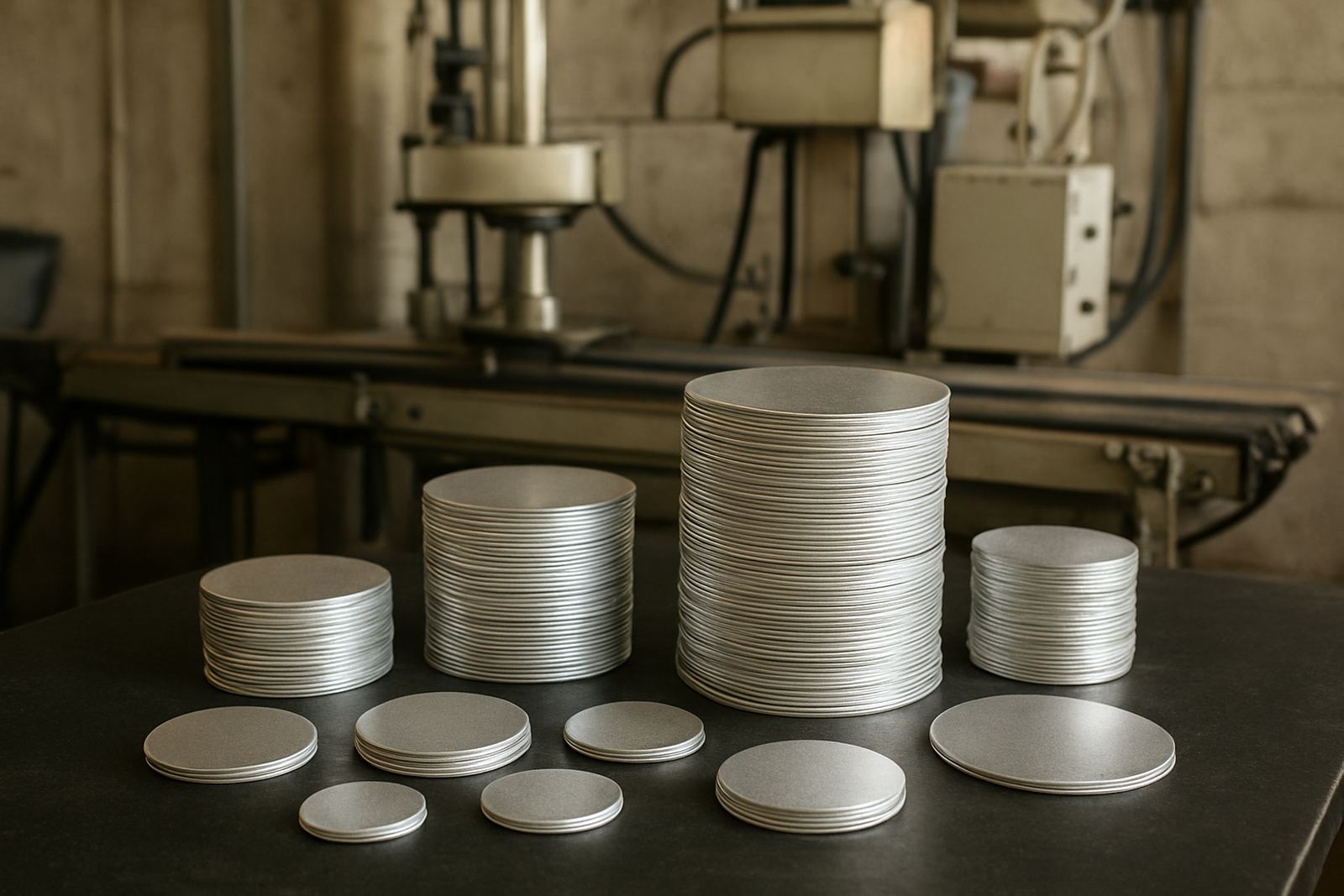
Before placing an order, it helps to confirm the exact bottle and cap details so the correct liner and setup can be supplied. We usually ask for bottle material, neck size, cap type, product fill height and the target output per hour. If you are sealing more than one pack size, send all the samples together. That allows liner matching and a proper check on whether the sealing window is wide enough for your run.
It is also worth confirming your available power point, the line height and whether the unit will run on a stand-alone bench or beside an existing conveyor. For sites that need installation in Durban, Pinetown, Prospecton, Pietermaritzburg or Richards Bay, we can also plan commissioning, seal validation and operator training around your production schedule. That keeps the start-up practical and reduces the chance of rework later.
- Bottle material and neck diameter
- Cap style and current liner or foil requirement
- Product type, fill level and expected output
- Available power supply and installation space
- Whether you need validation, spares or training after delivery
Key facts
| Model | Bench Sealer 500 |
|---|---|
| Application | Compact induction cap sealer for small batch runs and product testing |
| Power | 220 to 240 V AC, single phase |
| Output | Suitable for low to medium speed manual or semi automatic packing lines |
| Container types | Plastic bottles and jars with induction compatible caps and liners |
| Typical use | Food, pharmaceutical and chemical packaging |