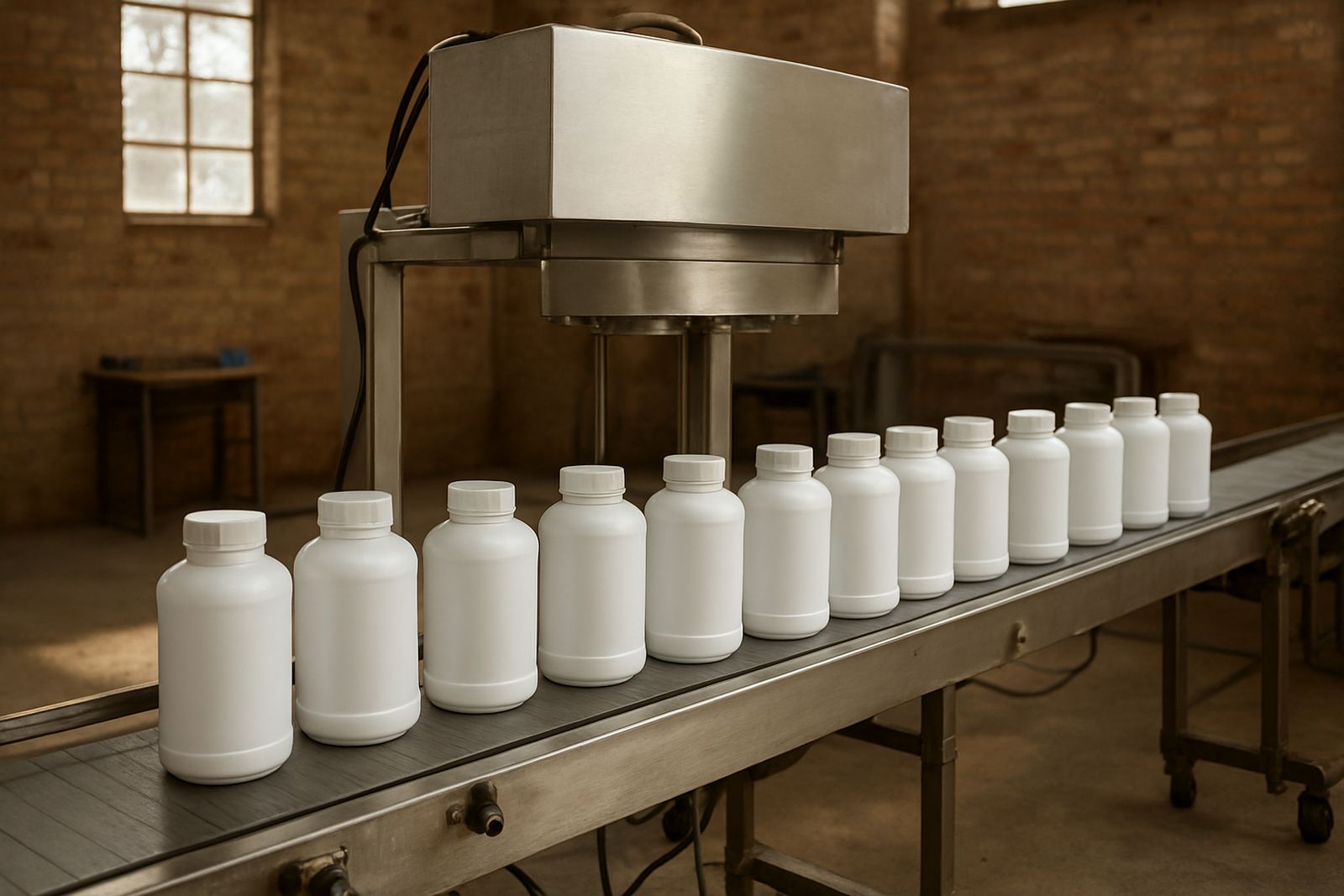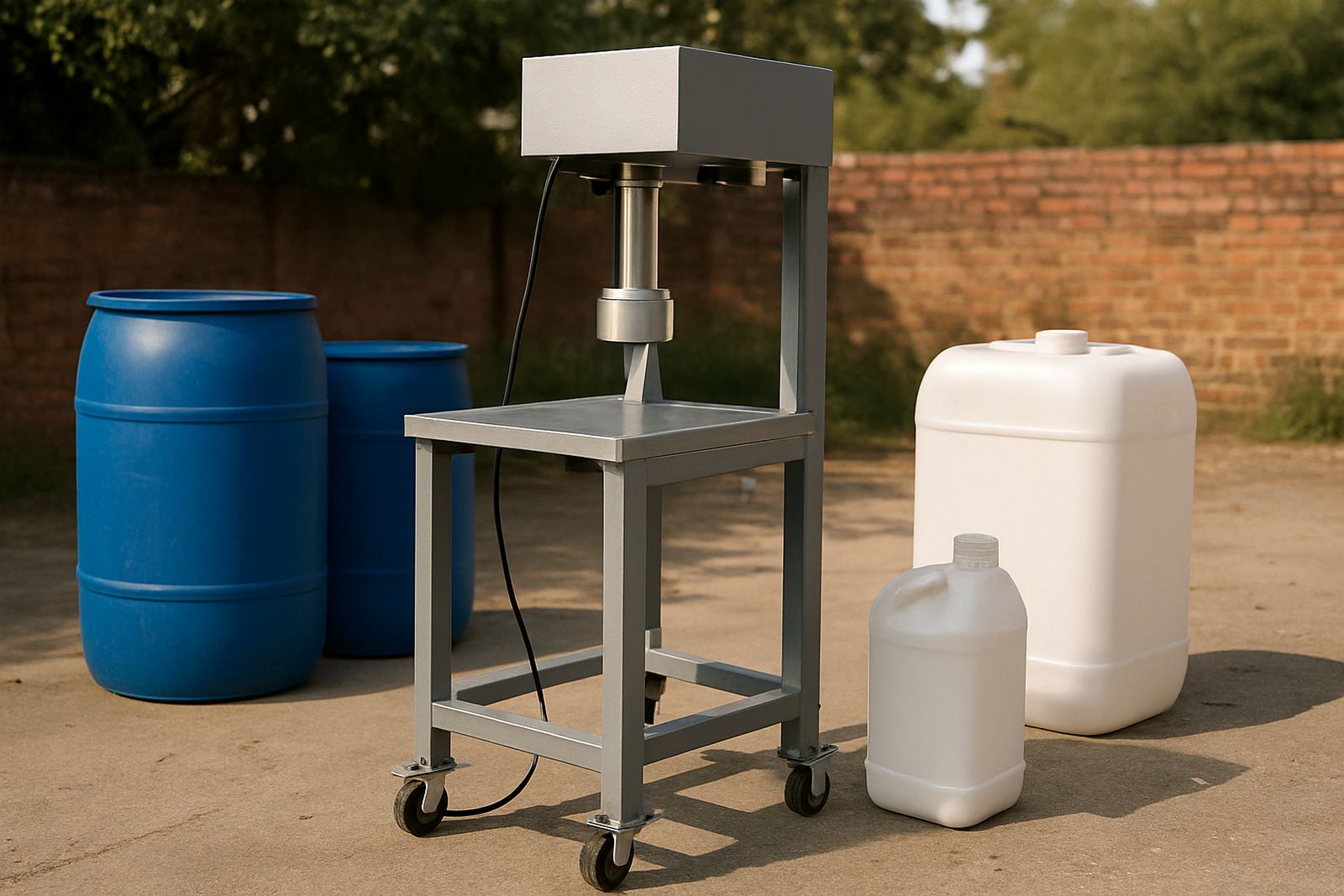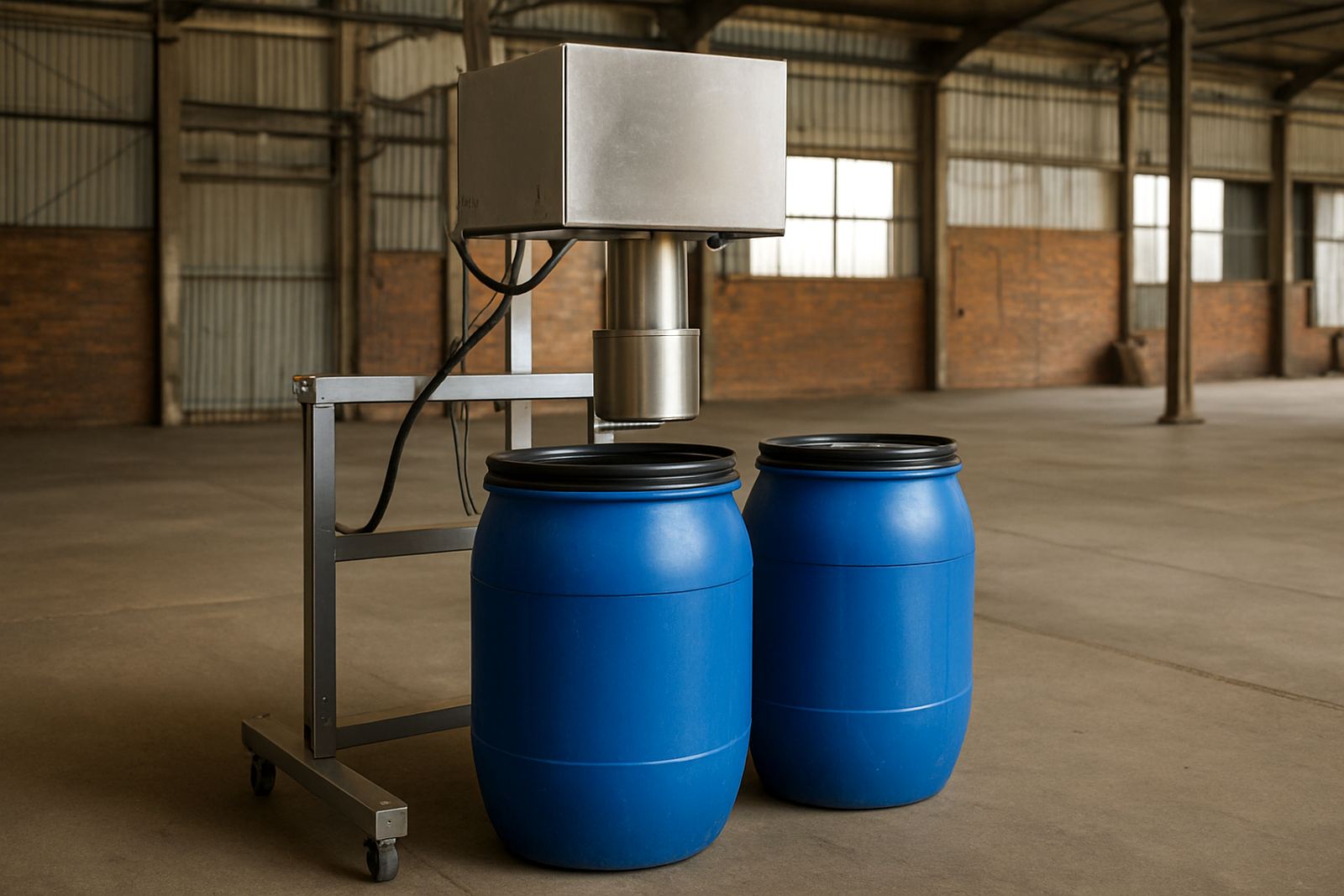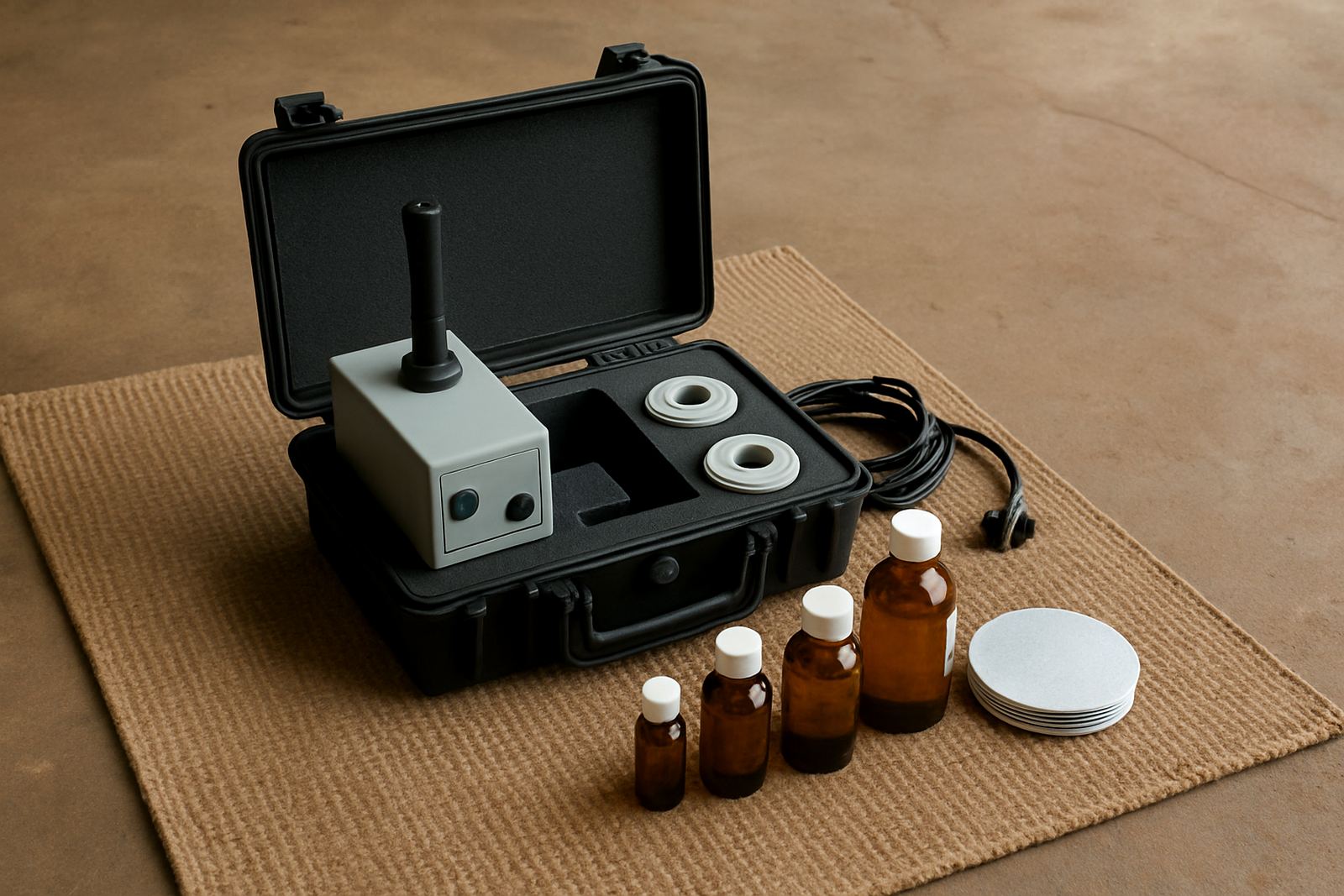
What the Portable Sealer Kit does on site
The portable sealer kit is a mobile induction sealing set used to apply foil liners to capped containers in a controlled, repeatable way. It is suited to short batches, product trials and demonstrations where you need proper seal integrity without setting up a permanent line.
In practice, the kit is used to show how a cap and liner perform on your actual bottle, closure and product combination. That matters in food, pharmaceutical and chemical packing because the liner must suit the container neck finish, fill product and handling conditions. A test seal that looks fine in the hand but fails in transit is expensive, so the kit is built for real checks not guesswork.
The unit is commonly used by contract packers, small manufacturers, technical sales teams and processors who need to seal 50 to a few thousand containers at a time. It works well for site demos in Jacobs, Pinetown, Prospecton, Pietermaritzburg and Richards Bay, and it can travel to plants anywhere in South Africa.
- Mobile setup for temporary sealing tasks
- Suitable for short runs and product development
- Useful for seal trials before full line purchase
- Can support customer demonstrations and training
Sizes, controls and liner options to choose from
Portable sealing kits are usually specified around the bottle opening, cap style and the output you need. The main choice is the sealer head size, since the induction field must match the closure area closely. If the head is too large or too small, you can get poor bond strength, uneven heating or liners that do not release correctly.
Most customers ask for a bench-mounted or trolley-based unit that can be moved between work areas. For some products, a hand-held style sealer is better where access is tight or the bottles are already packed in trays. Liner type is also important, because foil structures differ for dry products, powders, liquids and aggressive chemicals.
We assist with liner matching so the sealing surface suits the container and the product inside. In coastal areas like Durban and Richards Bay, humidity and storage conditions also need to be considered, because moisture can affect liner performance if the pack is left open too long before sealing.
- Sealer head size matched to cap diameter
- Hand-held or bench style options depending on the job
- Liners for dry goods, liquids and chemical packs
- Settings that can be adjusted for trial work and repeat use
Where the kit suits best in South African operations
This kit suits teams that need flexibility rather than high volume output. It is a good fit for pilot plants, small filling rooms, emergency backup sealing, and site demonstrations where the customer wants to see the process before buying a larger line. For pharmaceutical work, it is often used during validation trials and for checking closure performance on sample batches.
Food businesses use it for sauces, powders, supplements and dry goods where seal consistency matters for shelf life. Chemical packers use it where tamper evidence and leakage control are critical. If you are working under municipal or site safety rules, the portable format makes it easier to keep the sealing area clean and move the equipment away from busy traffic routes when needed.
It is also useful for operations that experience load-shedding. While the kit still needs proper electrical supply, its compact form makes it easier to run from a generator backed point than a full high-speed line. That can keep trials and urgent seal jobs moving when production has to be rescheduled.
- Product trials and sampling runs
- Temporary sealing at customer premises
- Backup sealing during maintenance or changeovers
- Training and validation work for new operators
Power, ventilation and setup requirements before you start
Before ordering, check the available power point, work surface and container flow. Most portable induction sealers need a stable single-phase electrical supply and a clean dry area close to the capping point. If the site has frequent voltage dips or generator supply, that must be discussed first so the unit is matched to the actual conditions.
The kit does not need compressed gas for the sealing process itself, but it does need room for safe bottle handling and cooling after sealing. Some sites ask for a trolley or stand so the operator can move between packs without lifting too much. If the pack line is near a washdown area, the unit should be kept clear of splashing and condensation.
As a rule, you should plan for enough space to stage bottles, cap them, seal them and then hold them aside for inspection. Good access to the work area helps more than most people expect, especially on short runs where one person may be filling, capping and sealing in sequence.
- Stable power supply, usually single-phase
- Dry bench or trolley position with safe cable routing
- Space for infeed, sealing and post-seal inspection
- Generator or load-shedding arrangements to be confirmed before site use
Care, servicing and keeping seals consistent
Portable sealers are straightforward to keep in working order if they are cleaned and handled properly. The head and cable should be checked for wear, and the unit should be stored away from dust, moisture and heavy vibration. In a humid coastal environment, that matters because corrosion and poor storage can shorten the life of connections and affect output.
Preventive maintenance is mainly about inspection, basic cleaning and checking that the liner material still matches the product. If seals begin to fail it is not always the machine. The cap torque, bottle rim condition and liner specification may need adjustment first. We assist with breakdown repairs, spares supply and remote support when a unit is already on site.
If you are running a trial line or demonstration kit, keep records of the bottle type, cap type, liner code and sealing result. That makes repeat jobs much easier and saves time when the same pack comes back six months later. It also helps when you need to show compliance to a customer or quality team.
- Clean and dry the equipment after use
- Store heads, leads and accessories in a protected case
- Check liner condition and cap torque during every run
- Book servicing before busy production periods
What to confirm when ordering your kit
To supply the right portable sealer kit, we need clear details on the container and closure. Please check the bottle neck finish, cap diameter, material type, liner size and whether the product is wet, dry or chemically active. These details help us match the sealing setup properly and avoid delays once the unit arrives.
It is also worth telling us where the kit will be used, whether on one site or across several plants. A team moving between Durban, Pinetown and Pietermaritzburg may want a lighter, easier to carry setup, while a permanent trial station in Jacobs might suit a bench-based configuration. If you need operator training, seal validation or on-site commissioning, we can include that with the supply.
If you are unsure about the right liner or head size, send samples of the bottle and closure to us for assessment. That is usually the quickest way to get the seal right first time.
- Bottle drawings or physical samples
- Cap size, thread type and closure material
- Product type and filling temperature
- Expected output per hour and site location
Key facts
| Application | Short runs, trials, site demonstrations and backup sealing |
|---|---|
| Power | Single-phase electrical supply, site conditions to be confirmed |
| Sealing method | Induction sealing with matched foil liner and cap |
| Typical use range | Low to medium batch quantities, depending on operator flow |
| Options | Hand-held or bench style, with liner matching support |
| Service support | Installation, commissioning, training, maintenance and repairs |