What a Drum Neck Sealer Does on the Line
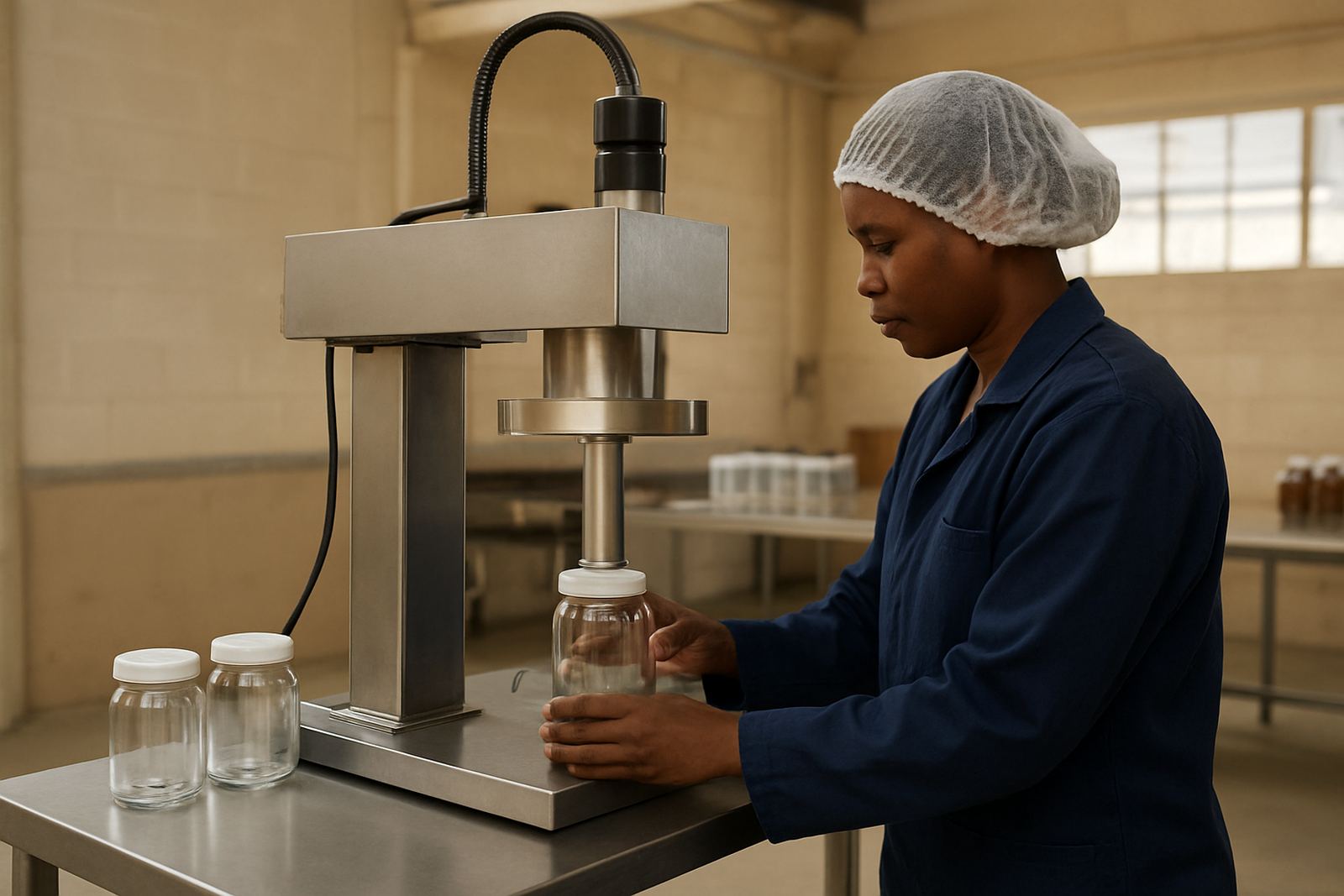
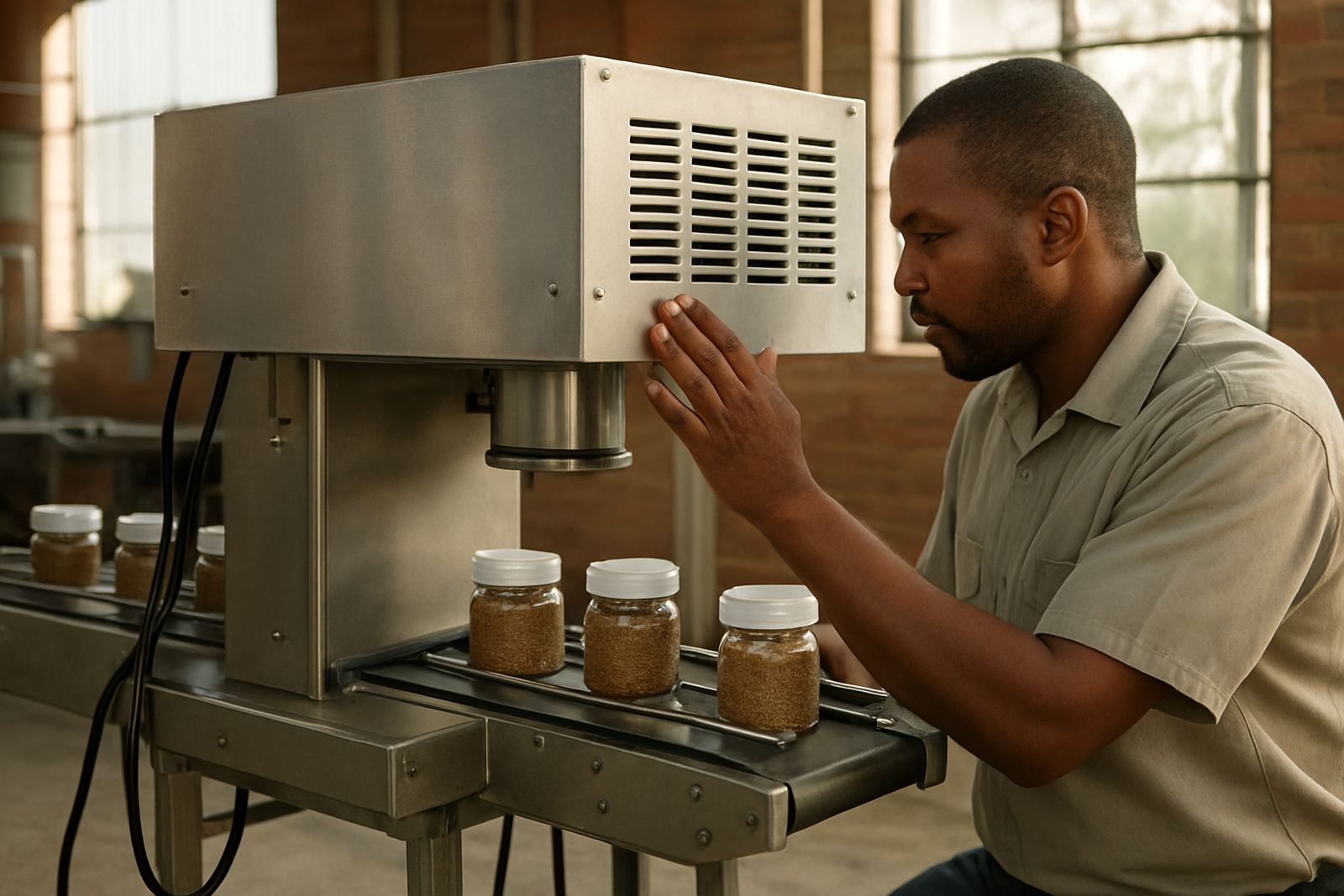
A drum neck sealer uses induction heating to bond a foil liner inside the cap or closure of a larger container opening. When the filled drum, pail or similar pack passes under the sealing head, heat is generated in the foil layer and the liner bonds to the container neck or sealing land. The result is a secure internal seal that helps protect the product during transport, stacking and storage.
This type of equipment is suited to industrial packs where a standard cap sealer is too small or not practical. It is often fitted after filling and capping, either as part of a continuous line or as a stand alone station. For Durban and coastal sites, it also helps when humidity or warm store conditions make closure performance less predictable. The seal is inside the closure, so it gives better protection against spill, contamination and tampering.
Because larger necks and closures vary a lot, the machine must be matched to the pack format. A drum neck sealer can be set up for a specific cap diameter, liner type and line speed. On some lines the sealing head is fixed for one size, while on others a height and head position adjustment allows a wider range. That flexibility matters when one site fills chemical packs in the morning and food grade containers later in the day, no one wants stoppages for a small changeover.
Typical Sizes, Options and Seal Formats
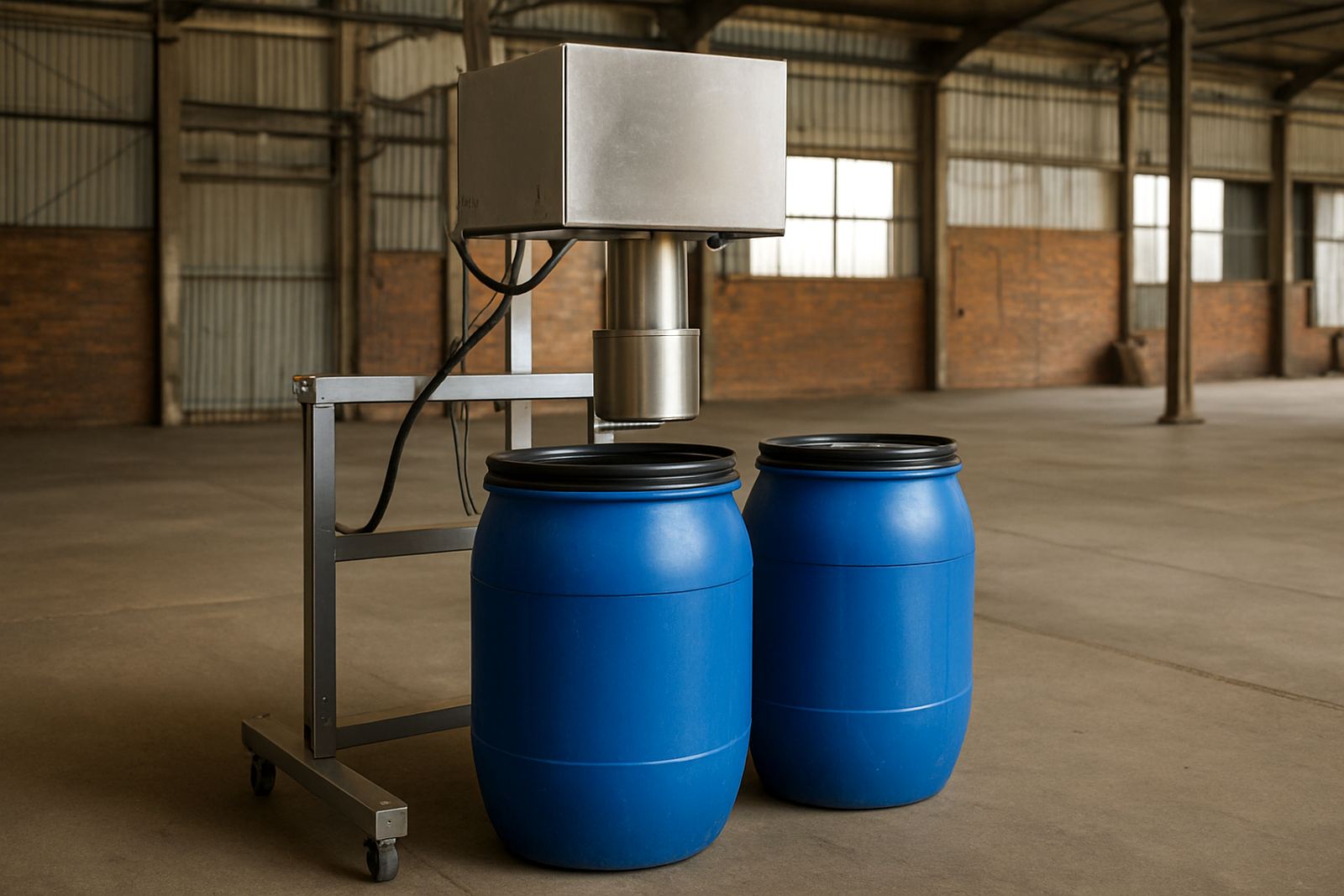
Not every drum or pail uses the same neck size, so the sealing head, conveyor height and container guide setup must suit the application. The correct liner material also matters, especially for aggressive liquids, powders or products that are hot when filled. In South African plants, the most common request is for a practical machine that handles the real pack sizes used on site, not a one-size-fits-all unit.
Available options usually include head size selection, adjustable sealing height, conveyor integration, and fitment for different cap styles. If you are working with chemical products, you may need a liner that resists vapour or product attack. Food fillers often ask for clean peel behaviour and reliable first pass sealing. Pharmaceutical packers normally want tighter control on validation and repeatable heat settings. The foil liner and the cap design must work together, otherwise the seal can fail after distribution.
- Large neck closures for drums, pails and industrial tubs
- Different liner diameters matched to the container opening
- Adjustable sealing head height for line integration
- Single size or changeable format options depending on production mix
- Suitability for foil, laminated and induction-ready liner types
Where the pack is wide or heavier than a normal bottle, handling equipment and line flow become important. A poor transfer onto the sealer can scratch caps or misalign the head. That is why some sites need extra guides, a starwheel or a short conveyor section before the sealing point. Small detail, big difference on the shift.
Where This Sealer Fits Best
This product suits operations that fill larger containers and need a clean internal seal without liquid contact on the outside of the closure. It is commonly used for chemicals, cleaning products, lubricants, powders, powders and granules, and certain food or beverage concentrates packed into larger formats. The same principle also supports products that must show tamper evidence before distribution to wholesalers, depots or end users.
In Durban, Pinetown and Prospecton, it is common to see filling lines that need to cope with heat, dust and frequent washdown. Inland sites in Pietermaritzburg may ask for a line that is easier to maintain between shifts, while Richards Bay users often want equipment that holds up in humid conditions. The sealing process stays the same, but the site conditions change how the machine should be protected, installed and serviced.
- Chemical filling plants needing spill reduction and better closure integrity
- Food processors using larger tubs, drums or concentrate packs
- Pharmaceutical and health product packers requiring controlled seals
- Contract fillers handling more than one container format
- Warehouses and small producers with export or long distance distribution
When the right liner and closure are used, induction sealing can reduce returns, improve shelf handling and support quality checks. It is a practical control step, not a fancy extra. If the pack leaves the plant and must travel across provinces, the seal needs to survive the trip, the heat and the handling.
Installation, Power Supply and Line Setup
Installation depends on whether the drum neck sealer is going onto an existing line or being added as a dedicated station. The machine normally needs a stable conveyor path, correct head clearance and a consistent container presentation. If the filling line already uses a capping or pressing stage, the sealer is placed immediately after that point so the liner is activated while the closure is properly seated.
Power requirements vary by model and output, but the unit must be connected to a suitable electrical supply with proper protection. In South Africa, that means planning for load-shedding and voltage dips if the site has a sensitive control panel or a wider production line. A UPS may suit the controls on some installations, but the sealing head itself still needs the right power feed and safe earthing. In industrial areas around Jacobs and Pinetown, we also recommend checking cable routing, isolation points and access for maintenance before the machine arrives.
For compressed air driven line equipment, air quality and pressure should be checked even if the sealer itself does not use air for the induction process. Nearby fillers, cap feeders or reject systems may depend on it. The full line needs to be looked at as one system. If the drum reaches the head a little crooked or at the wrong height, the seal will not be consistent and the operator will chase faults all day.
Care, Servicing and Seal Validation
Like any industrial sealing machine, the drum neck sealer needs regular cleaning and scheduled checks. Dust, product residue and worn guides can all affect seal quality. The sealing head should be kept free of buildup, cooling paths must be clear, and the conveyor area should be inspected for vibration or loose mounting. Coastal moisture can also affect exposed parts, so routine inspection is worth the time.
Preventive maintenance helps avoid breakdowns during production peaks. That may include checking output stability, verifying head alignment, reviewing liner performance and confirming that the closure and container neck are still within spec. Seal validation is especially important for pharmaceutical and chemical applications, where the internal seal needs to perform the same way each time. A line that seals well on Monday but not on Thursday is a problem nobody wants.
- Keep the sealing head clean and free of foil dust or residue
- Check cap torque and closure seating before sealing
- Inspect conveyor guides and pack height settings regularly
- Review liners for correct size, thickness and material compatibility
- Schedule servicing before seasonal peaks or major production runs
Bottle Sealers supports site installation, line commissioning, operator training, seal validation, preventive maintenance and breakdown repairs. We also assist with liner matching, line optimisation, spares supply and remote support from our Durban base in Jacobs. That support matters when a line is down and pallets are waiting.
What to Check Before You Order
Before ordering a drum neck sealer, it helps to confirm the exact container and closure details. Small differences in neck diameter, cap thread, liner material or pack height can change the setup. If you send the wrong sample, the machine may be fine but the seal will still be wrong, so please verify the details before sign off.
Useful information includes the container size, neck opening diameter, closure type, liner material, line speed and whether the product is hot fill, cold fill or prone to vapour. You should also confirm if the pack is round, square or handled, and whether the line needs manual loading or full conveyor integration. If the product is sensitive to leaks or oxygen ingress, that needs to be stated clearly from the start. It saves time and avoids rework later.
- Container type: drum, pail, tub or similar industrial pack
- Neck opening diameter and cap or closure style
- Product type and fill temperature
- Required output per hour or per shift
- Available space, power supply and conveyor height
- Any chemical resistance, hygiene or validation requirements
If you are not sure which liner or setup is correct, send a sample closure and pack detail for checking. A proper match at the beginning means better sealing on the line and fewer callouts after commissioning. That is usually the cheaper option, even when time is tight.
Key facts
| Product type | Induction sealer for larger neck industrial packs |
|---|---|
| Typical pack formats | Drums, pails, tubs and wide-neck containers |
| Seal method | Foil liner bonded by induction heating |
| Installation | Inline or stand alone, with conveyor integration |
| Power | Single or three phase supply depending on model |
| Support | Installation, commissioning, training, maintenance and repairs from Durban |