What PET Bottle Liners Do in a Packed Line
PET bottle liners are foil based seals fitted inside the cap or closure so that, when the bottle is closed and induction heated, the liner bonds to the container mouth. This creates a tamper evident barrier that helps reduce leaks, cuts down on contamination, and keeps powders, liquids and granules inside the pack during transport and storage.
For manufacturers in South Africa, the main value is practical. You get a cleaner finish on the shelf, better product protection in hot trucks and better control where goods move between Durban, Gauteng and inland depots. In humid coastal conditions, especially around Jacobs, Pinetown and Richards Bay, a good liner also helps where condensation or minor moisture can affect pack integrity. That said, the liner must match the bottle neck finish and cap design properly, otherwise you will see uneven seals or lifting at the rim.
Sizes, Materials and Fit Options We Supply
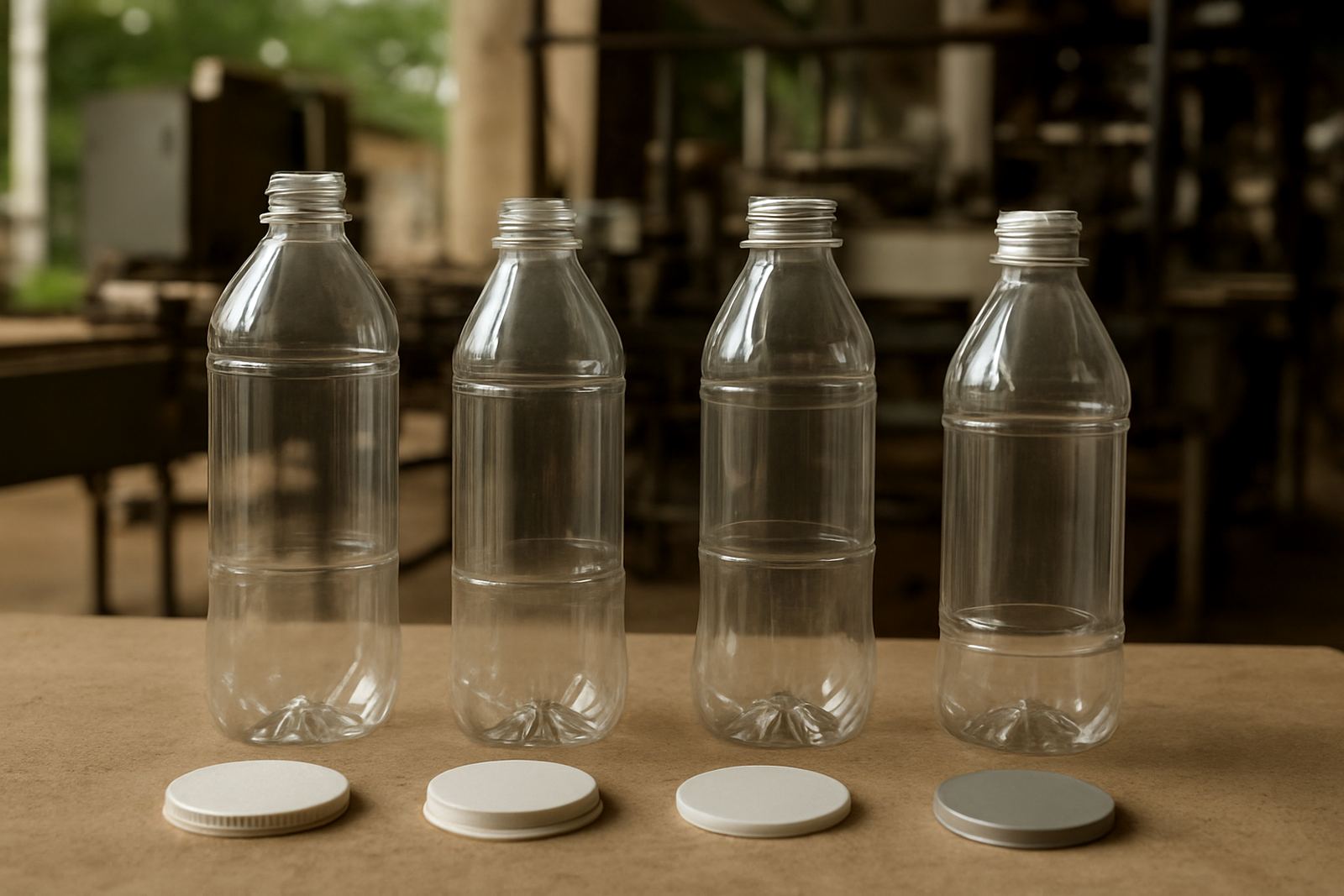
PET bottle liners are selected by closure size, bottle neck type and the product being packed. Common options cover standard closures used on round and square PET containers, with liner cuts made to suit the sealing area inside the cap. We supply foil based liners for induction sealing applications, with materials chosen for product compatibility and the pack environment.
- Standard round liners for common PET neck finishes
- One piece foil liners for general purpose sealing
- Liners with foam or pulp backing where extra compression is needed
- Custom cut sizes for non standard closures or wider mouths
- Options for dry products, oils, syrups and some chemical packs
For line trials, we normally check the cap torque, bottle shoulder shape and fill level first. A liner can look fine in hand yet still fail on the line if the cap does not press the seal evenly, so measurements matter. If you are changing bottle suppliers or moulds, send a sample neck finish before placing a bulk order.
Where PET Liners Suit Best
PET bottle liners are widely used where product security and shelf life matter more than just a simple cap. They are common in food packaging for sauces, dry ingredients, cooking products and condiments. In health and personal care they suit vitamins, powders, oral liquids and some cream based packs. In chemical packaging they are used for products that need an internal barrier against seepage and tampering.
They are especially useful where your goods travel long distances, sit in non air conditioned stores, or move through municipal and retail chains that inspect packaging closely. For Durban and coastal customers, a sealed liner helps reduce complaints linked to weeping caps after temperature swings. For inland plants, it gives extra confidence on product tamper evidence when loads sit in the back of a truck for hours.
- Food packaging: sauces, spices, seasoning blends, oils
- Health products: tablets, capsules, powders, oral liquids
- Chemical packs: cleaners, additives, household and light industrial liquids
- Export cartons and multi stop distribution routes
How Installation Works on the Line
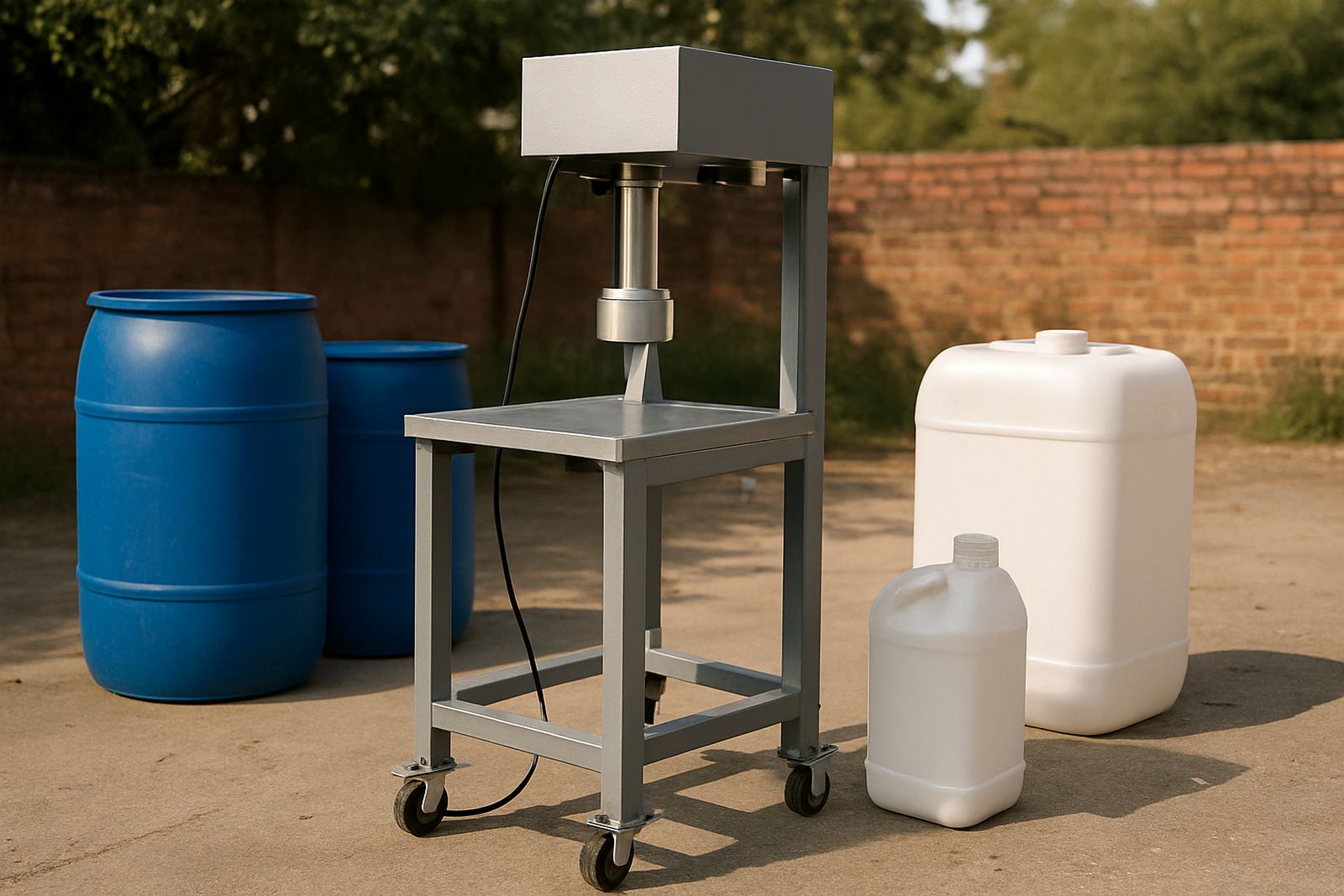
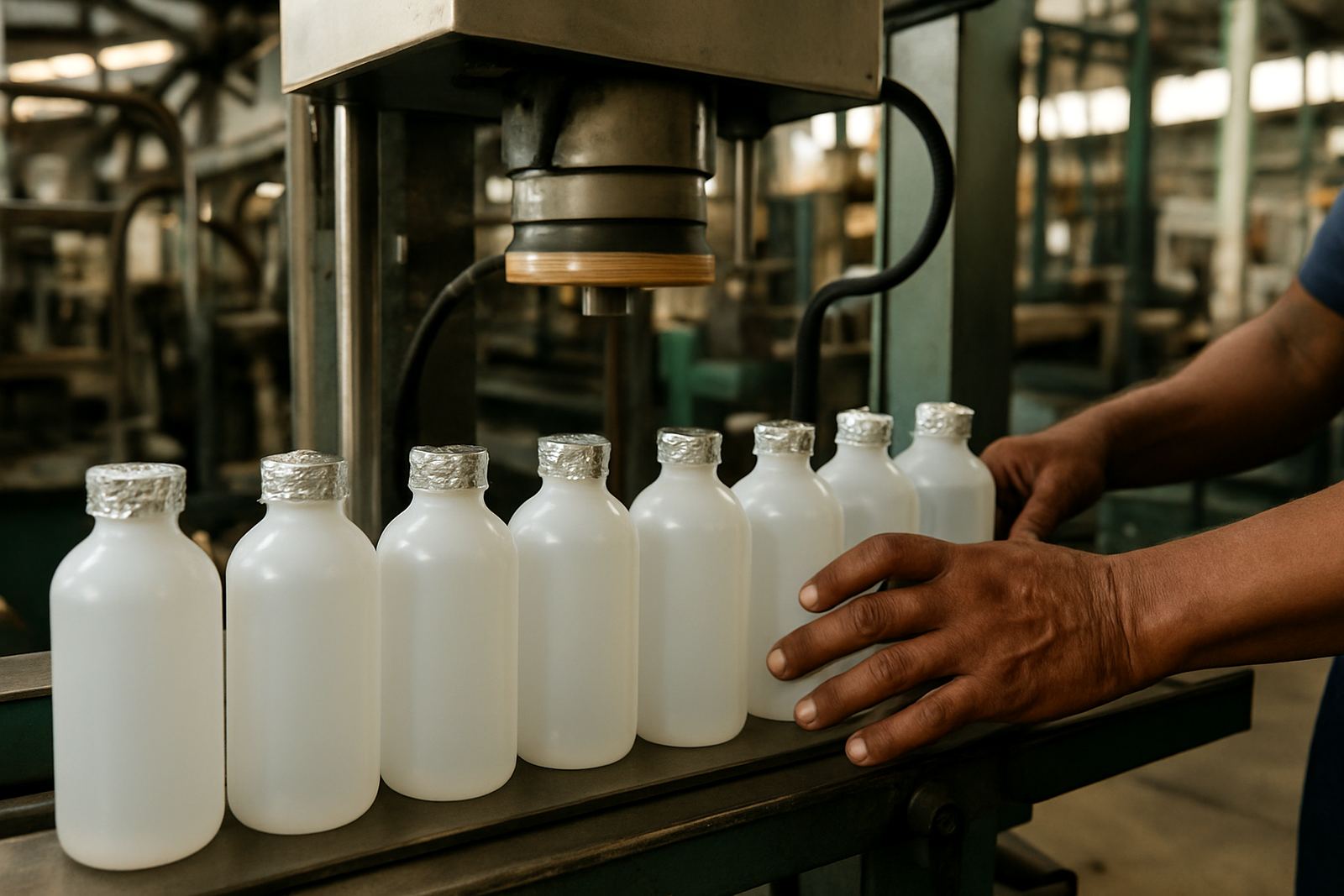
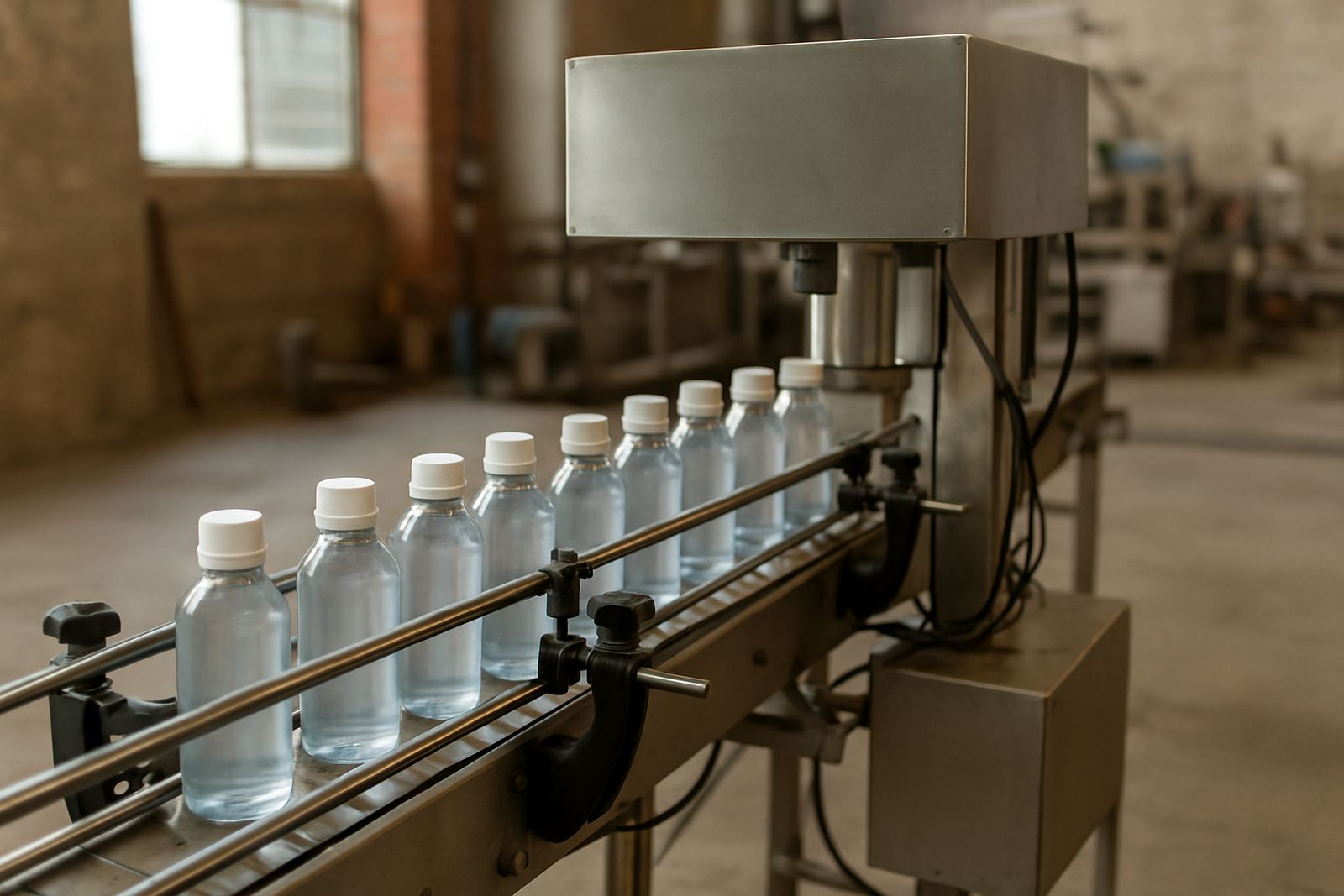
Installation depends on whether the liner is applied by hand, semi automatic equipment or a fully integrated induction head on a filling line. Most PET liner applications use an induction sealing unit after capping. The bottle passes under the sealing head, the foil heats briefly, and the liner bonds to the neck finish in a matter of seconds. The process is fast, but the settings must be right for bottle height, cap type and throughput.
We support site installation and line commissioning for plants in Jacobs, Prospecton, Pinetown, Pietermaritzburg and Richards Bay, with sealing lines nationwide. A typical setup needs a stable power supply, safe cable routing and enough conveyor clearance for the head and cooling section. Where load-shedding is still a factor, we can plan the line around backup power so the seal pattern remains consistent instead of stopping mid run. No gas is required for standard induction sealing, which keeps the installation simpler on most sites.
- Power requirement depends on head size and line speed, usually single or three phase
- No gas supply required for normal induction sealing
- Needs correct conveyor height and cap spacing
- Works best with dry cap threads and clean bottle mouths
Care, Validation and Ongoing Service
Once PET bottle liners are in use, the key is consistency. The liner itself is not complicated, but dirt on the cap, a loose cap torque, or a worn induction head can affect the final seal. We recommend regular seal validation, especially after a change in bottle mould, cap supplier or fill product. If your pack contains aggressive chemicals or oily product, test the liner against the contents before full roll out.
Our team supports preventive maintenance, breakdown repairs, liner matching and remote support for customers who need quick answers between service visits. On busy plants, a short inspection schedule is often enough to catch wear before it causes rejects. Keep spare liners in a dry store, away from direct sun and high heat, and rotate stock so older material is used first. That little bit of control saves money and keeps waste down.
- Check seal bond strength at set intervals
- Inspect for scorch marks, under seals and cap deformation
- Keep spare heads, spares and sample liners on site where possible
- Store liners in cool, dry conditions away from dust
What to Confirm Before You Place an Order
Before ordering PET bottle liners, confirm the bottle neck finish, cap size, material packed, fill level and production speed. If any of these change later, the seal performance can change with it. It also helps to know whether the line runs hot filled products, ambient packs or products that need extra tamper evidence for retail or municipal supply chains.
Please send the container neck measurements, a cap sample and a brief note on the product type. If your pack is for food, health or chemical use, we will match the liner to the likely storage conditions and transport route. For larger production sites, we can also advise on operator training, seal checks and line optimisation so the pack stays consistent across shifts.
- Container material and neck finish
- Cap size and closure style
- Product type, including oils, powders or liquids
- Filling temperature and line speed
- Storage, transport and shelf conditions
- Any need for tamper evidence or leak reduction
Durban Supply With Nationwide Support
Based in Jacobs, Durban, Bottle Sealers works with packers who need reliable PET bottle liners and practical support from people who understand sealing lines. Whether you are in Pinetown, Prospecton, Pietermaritzburg or Richards Bay, or operating further afield, we assist with installation, commissioning, training and service calls. The aim is simple: get the liner right, get the seal right and keep the line moving.
If you need help matching a liner to an existing PET bottle, or you are starting with a new closure and want to avoid trial and error, speak to our team. We work with production staff, buyers and maintenance teams, and we can guide you on what to order before you commit to bulk stock. For many plants, that saves a lot of time and a few costly do overs.
Key facts
| Product type | Foil liner solutions for PET containers |
|---|---|
| Sealing method | Induction sealing |
| Compatible packs | Food, health and chemical packaging |
| Application formats | Manual, semi automatic and inline systems |
| Support areas | Jacobs, Durban, Pinetown, Prospecton, Pietermaritzburg, Richards Bay |
| Service support | Site installation, commissioning, training, validation and maintenance |