What a Jar Sealing System Does
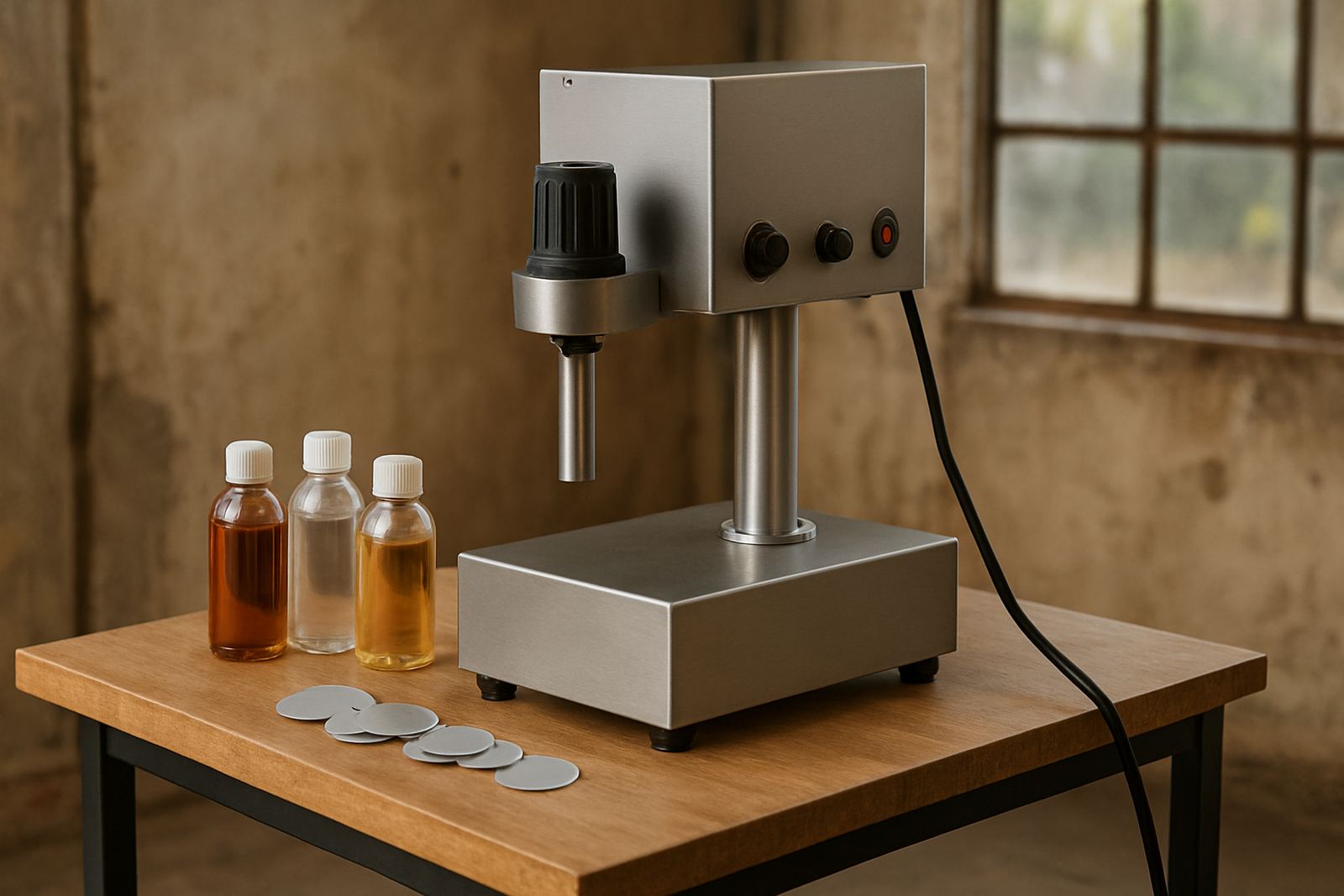
A jar sealing system uses induction heat to bond a foil liner to the rim of a lidded jar after the cap has been applied. The result is a neat internal seal that helps protect product freshness, reduces leakage, and gives customers a clear sign that the pack has not been opened before sale.
For retail food packs, this matters on the shelf and in transit. Sauces, preserves, spice blends, dry ingredients and ready-to-use products often move through warm stores, long delivery routes and busy pack rooms. A good seal helps keep contents stable through handling, stacking and courier movement. It also gives your packing team a consistent finish, which is important when packs are going to chain stores or local distributors.
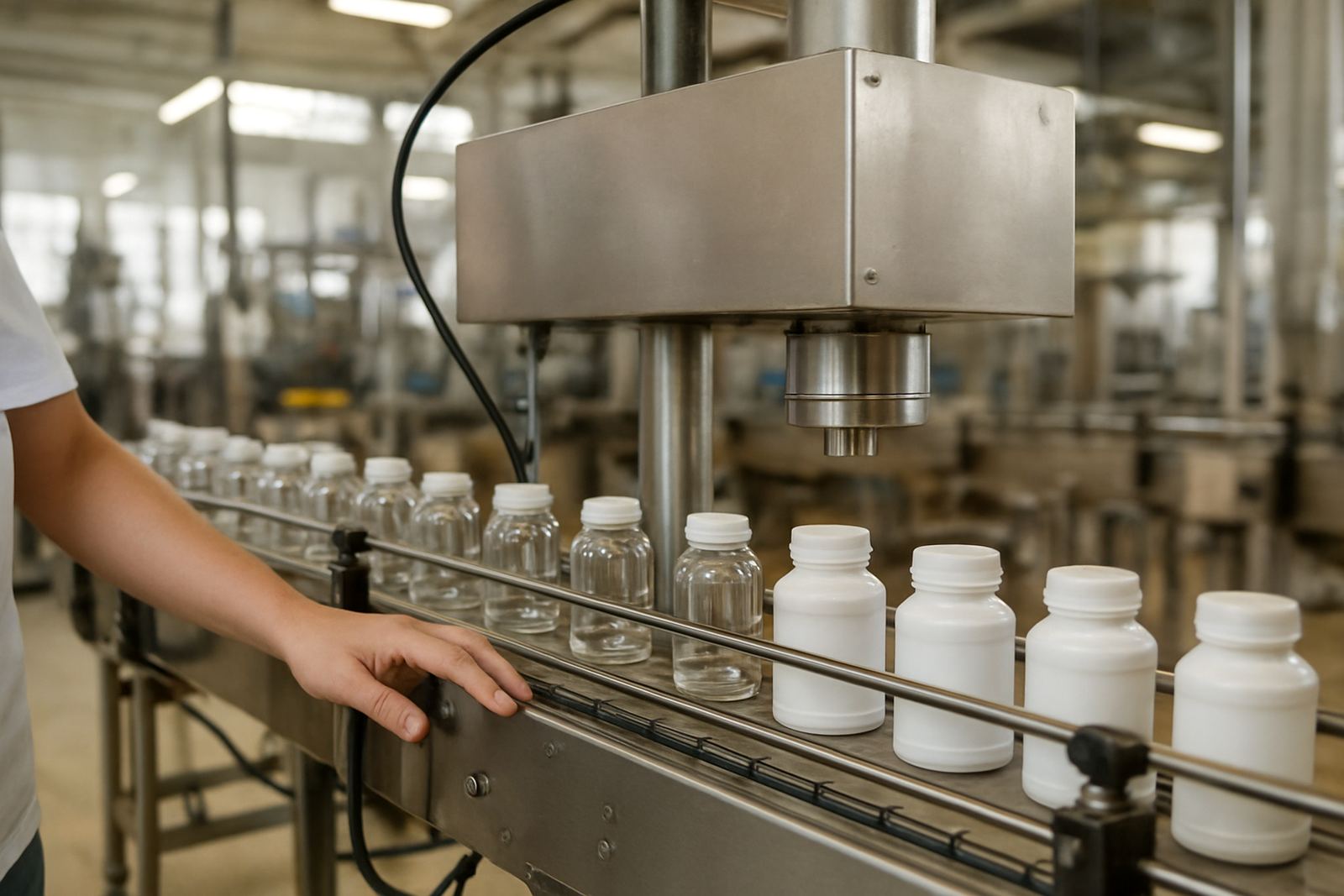
We supply systems that suit continuous pack lines and smaller batch operations. Some plants only need a compact unit at the end of a filling line, while others need a higher output setup with a guided conveyor and verification checks. The right choice depends on jar size, cap material, line speed and the amount of tamper evidence required.
Jar Sizes, Caps and Liner Options
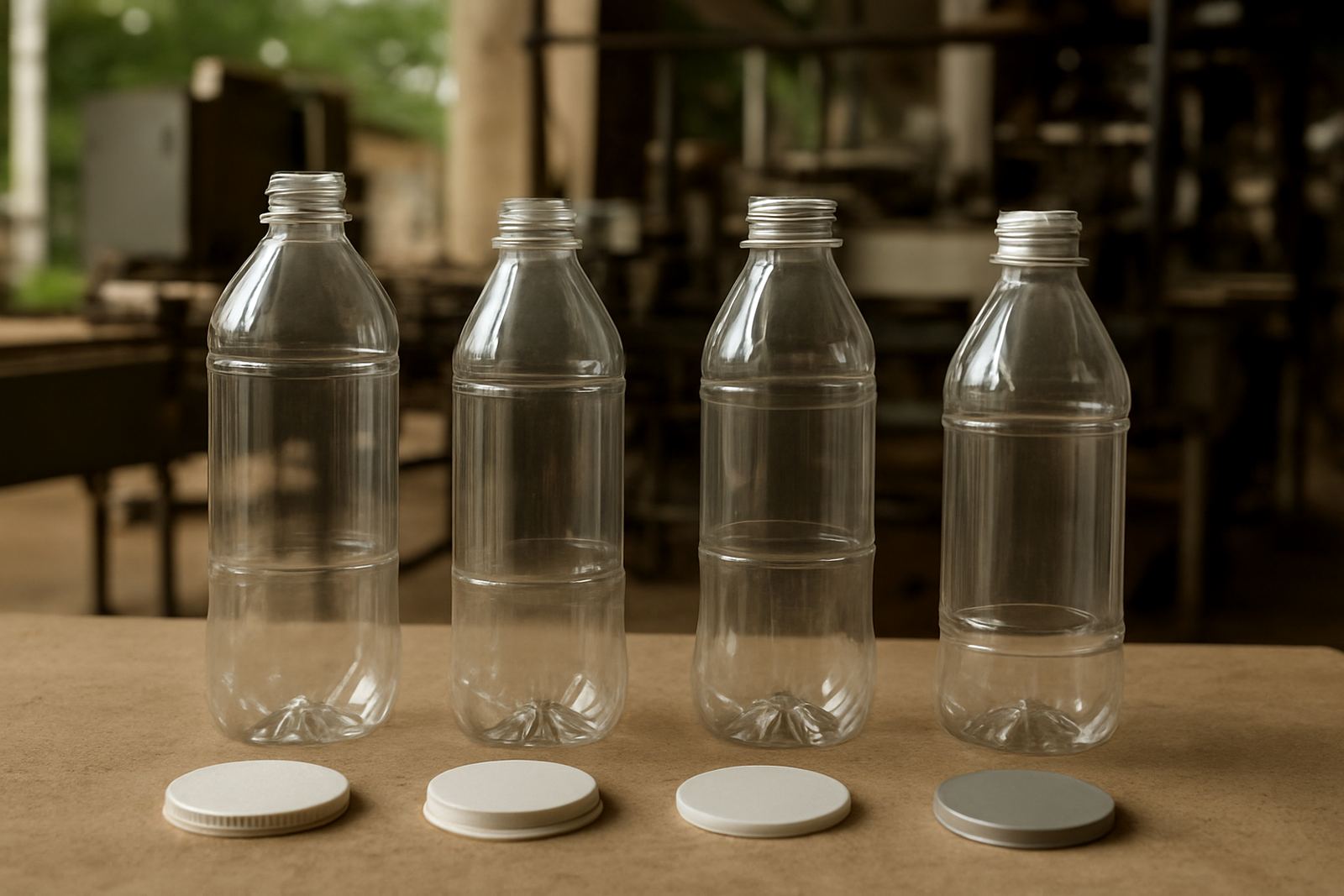
Jar sealing is not one size fits all. Bottle Sealers works with liner matching to make sure the foil, backing and cap style all suit your jar neck and product type. That is important for food packs with oils, moisture or light product content that can affect seal quality if the wrong liner is used.
- Small glass jars for spices, condiments and flavour pastes
- Medium jars for sauces, chutneys and preserves
- Wide-mouth jars for dry foods, snacks and bulk retail packs
- Plastic jars where the cap and liner combination is suitable for induction sealing
We also look at cap profile, closure diameter and any embossing or ribbing inside the cap. A liner that works well on one jar may not give the same hold on another, even if the outside size looks close. For that reason, we check sample packs before supply where possible. If your product has oil content, heat-sensitive ingredients or a short fill temperature window, we will recommend the liner grade that suits the job better than a general-purpose option.
Typical sealing heads are matched to closure diameters from around 15 mm up to 120 mm, with special configurations available for larger jar formats. Some systems are best for single lane use, while others can be set up over multiple lanes or on a rotary filling line.
Where the System Suits Best
This setup is well suited to food producers that need a dependable tamper-evident seal without slowing the packing line too much. It is commonly used on retail jars for local shops, supermarkets, delis and export-ready food packs. The same sealing method can also support cosmetic or chemical jars where product integrity matters, but the system is particularly useful for food lines that need a clean, professional finish.
Operations in Durban, Pinetown, Prospecton and Pietermaritzburg often deal with coastal humidity, warmer pack rooms and fast turnaround demand. In those conditions, liner selection and cap consistency matter. If the liner is not matched well, you can get weak seals, edge lift or inconsistent bonding after storage. That is why we work through the jar sample, filling temperature and cap application first.
- Retail food packers needing tamper evidence
- Plants shipping product through hot or humid conditions
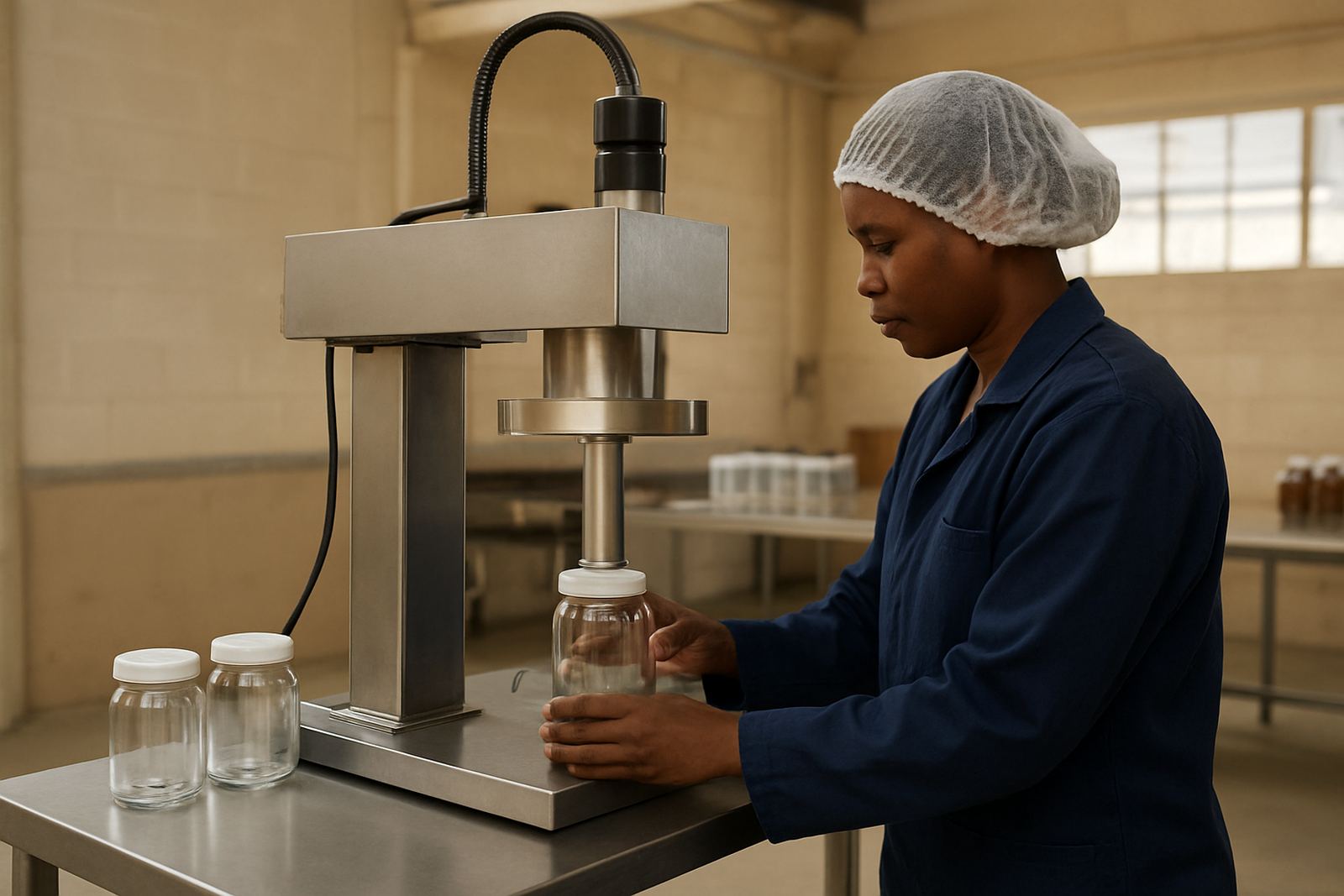
- Facilities with manual, semi-automatic or automatic packing lines
- Producers wanting better shelf presentation and less leakage risk
For smaller operations, a compact unit can be fitted into an existing table-top or conveyor line. Larger sites may need a full line review to set the sealing head height, bottle guides and handling speed so the jars move through without jamming.
Installation, Power Supply and Line Setup
Installation depends on the line layout, jar size and output target. We handle site installation and line commissioning from our Durban base and support customers nationwide. Our team checks the filling machine, capper, conveyor height, product flow and available space before the unit is positioned. If the line is already running, we plan the changeover to keep downtime to a minimum.
Most jar sealing systems need stable mains power and a clean line feed. The exact electrical load depends on the sealing head and conveyor setup, but many installations use standard single-phase or three-phase supply depending on the output required. Where the site faces load-shedding, a backup power plan is worth considering because unstable power can interrupt heating cycles and affect output. In some pack houses a small UPS is enough for controls, while others need generator support for the full line.
There is no gas requirement for induction sealing itself. What matters more is power quality, line earthing, and correct jar guidance through the sealing zone. A poor earth or voltage fluctuation can create uneven seal results, so we check the electrical environment before handover. If needed, we can also assist with remote support after commissioning when the line is running and the team is settling in.
Care, Preventive Maintenance and Breakdowns
Jar sealing systems are straightforward to keep in service if they are cleaned regularly and checked before a shift starts. Dust, product splash and cap residue can build up around the sealing zone and conveyor. On food lines, this should be part of the normal hygiene routine. If the neck or cap surface carries moisture or product residue, seal consistency can drop fast.
We provide preventive maintenance, breakdown repairs and spares supply for sites across Durban, Richards Bay, Pinetown and beyond. Common service checks include cooling airflow, conveyor alignment, seal head position, wear on guides and condition of the liner feed. If the system starts missing seals or shows scorch marks, the fault is often in setup or packing conditions rather than the induction head alone.
- Wipe product residue from caps and jar rims before sealing
- Check sealing head height after any format change
- Keep vents and cooling paths clear of dust
- Replace worn liners, caps or guides before seal quality drops
When operators know what a good seal looks like, problems are picked up early. That saves product losses and keeps returns down, especially for food packs that move through multiple distributors.
What to Check Before You Order
Before ordering, it helps to have a few pack details ready. This lets us match the liner and sealing setup to your jars rather than sending a unit that only works after repeated trial and error. The more exact the information, the faster we can confirm the right format and installation plan.
- Jar material and neck diameter
- Cap type, closure size and whether it is vented or plain
- Product type, fill temperature and oil or moisture content
- Target line speed per hour
- Power available at the site
- Whether you need manual, semi-automatic or fully automatic handling
If you are not sure about the liner match, send samples of the jar, cap and filled product. We can then advise on the sealing arrangement, expected output and any service items that should be kept as spares. For plants with more than one jar format, it is often better to plan for a changeover kit from the start rather than force one setting to do every pack.
Our team in Jacobs, Durban supports customers from first specification through to commissioning and ongoing support. That includes service in nearby areas such as Prospecton, Pinetown, Pietermaritzburg and Richards Bay, with nationwide support available for sealing lines that need reliable back-up.
Key facts
| Product type | Jar-focused induction sealing system for tamper-evident retail packs |
|---|---|
| Seal format | Foil liner heat-bonded to jar rim inside the cap |
| Jar sizes | Suitable for small, medium and wide-mouth jar formats, subject to liner match |
| Closure range | Typically from about 15 mm to 120 mm, with special formats available |
| Power needs | Stable mains electricity, single-phase or three-phase depending on output |
| Installation | Site installation, commissioning and operator training available |
| Support | Preventive maintenance, breakdown repairs, remote support and spares supply |