What the air cooled unit does on your line
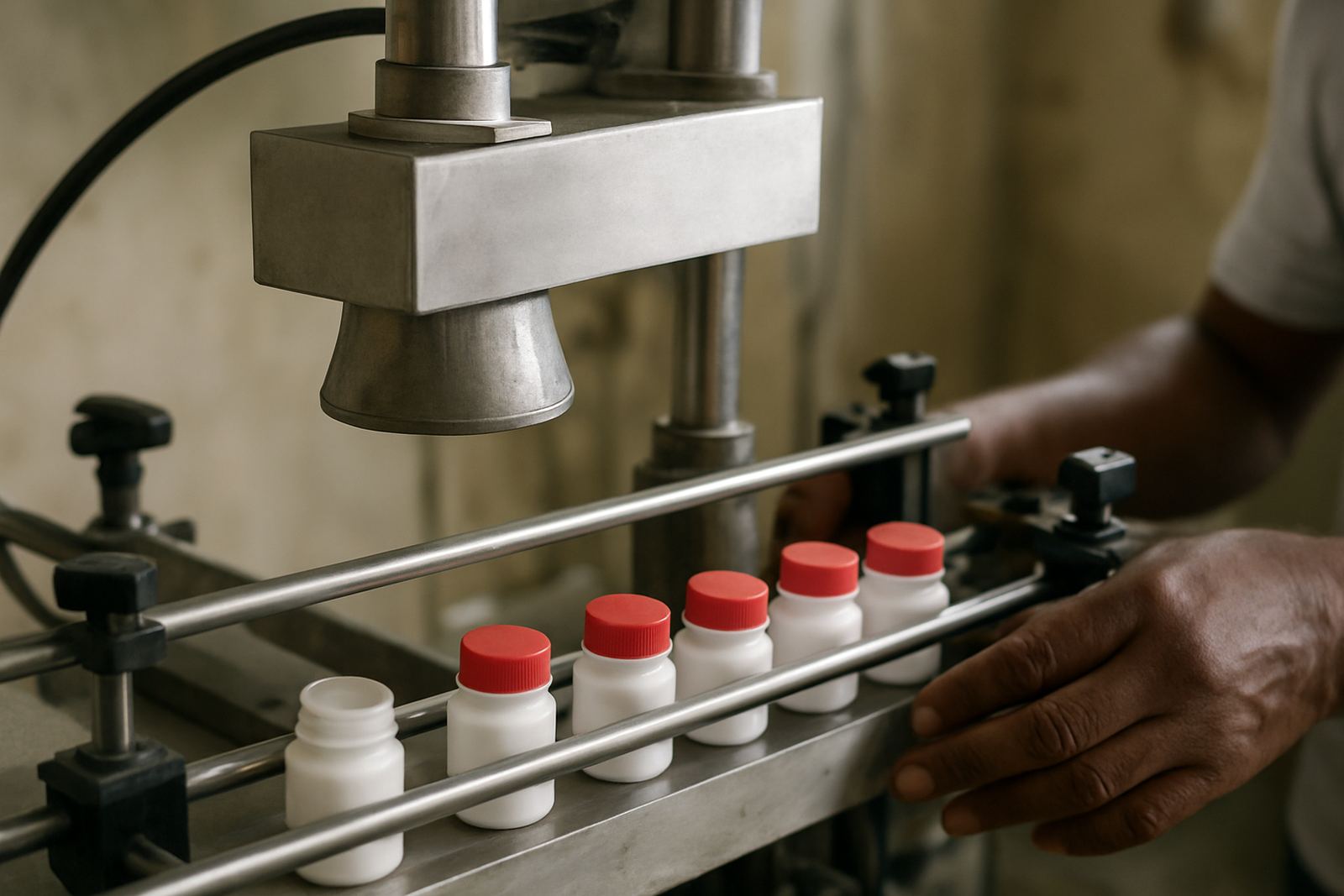
An air cooled induction sealer applies heat through the cap liner so the foil bonds cleanly to the container mouth after capping. The result is a tamper evident seal that helps protect against leaks, contamination and product loss. It is commonly used where the packer wants consistent seals with less equipment to look after than a water cooled unit.
This type of unit is well suited to continuous packing work in South Africa, especially where a plant wants simpler installation and lower service needs. For smaller and mid sized lines, it is often the easiest way to add induction sealing without changing the full filling and capping setup. In humid coastal areas like Jacobs and Prospecton it still performs well when the sealing head and conveyor are set correctly, even when the plant is warm and busy.
Sizes and options to match different packs
Air cooled sealers are available in a range of head sizes and output ratings, so the unit can be matched to bottle diameter, liner type and line speed. A narrow neck pack for tablets will need a different setup from a wide mouth chemical bottle, and the correct head size matters for seal consistency. In practice, the right choice depends on the sealing band width, cap style and how much space is available above the conveyor.
- Single head units for lower output lines and short runs
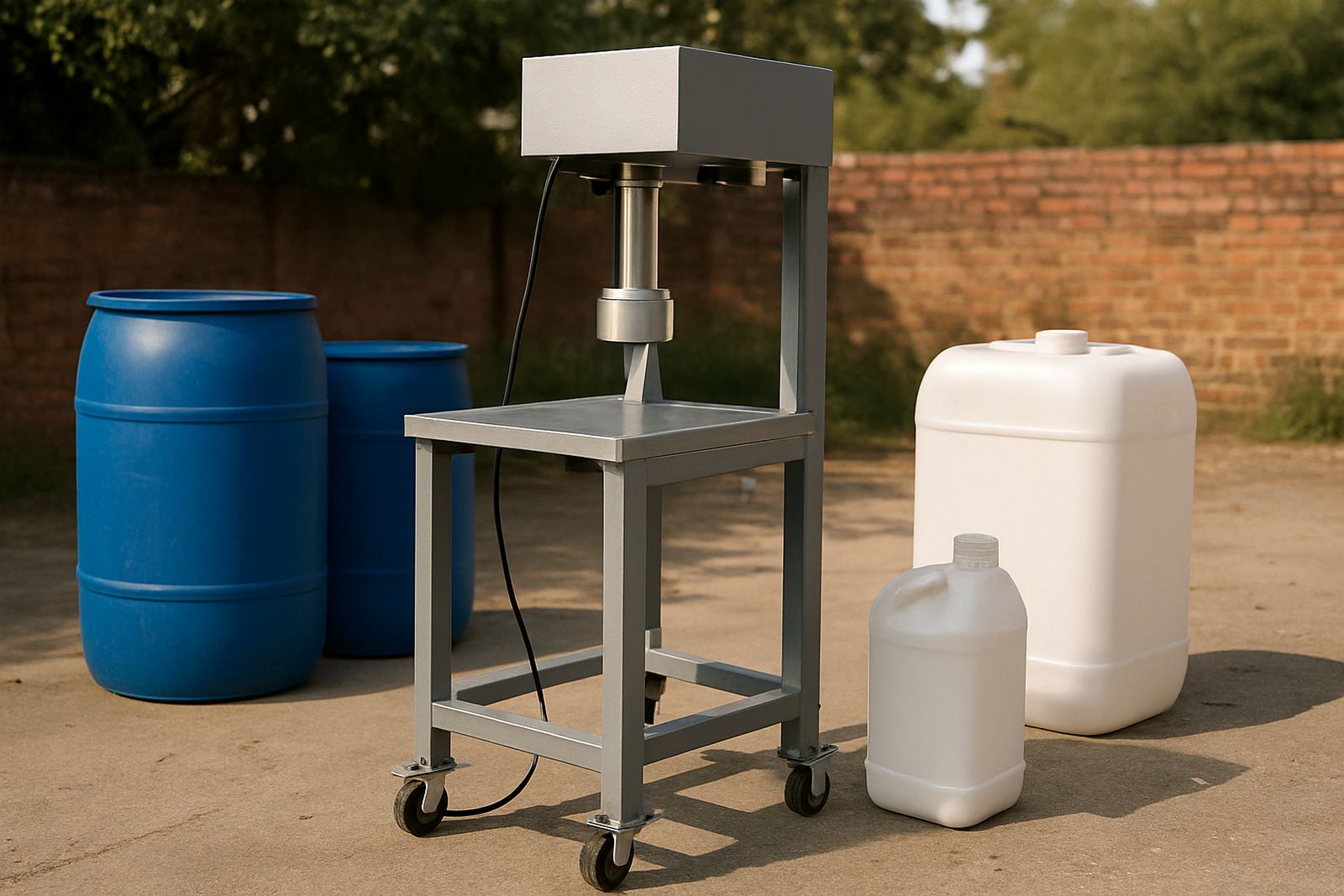
- Variable height stands for mixed bottle sizes
- Conveyor mounted arrangements for inline sealing
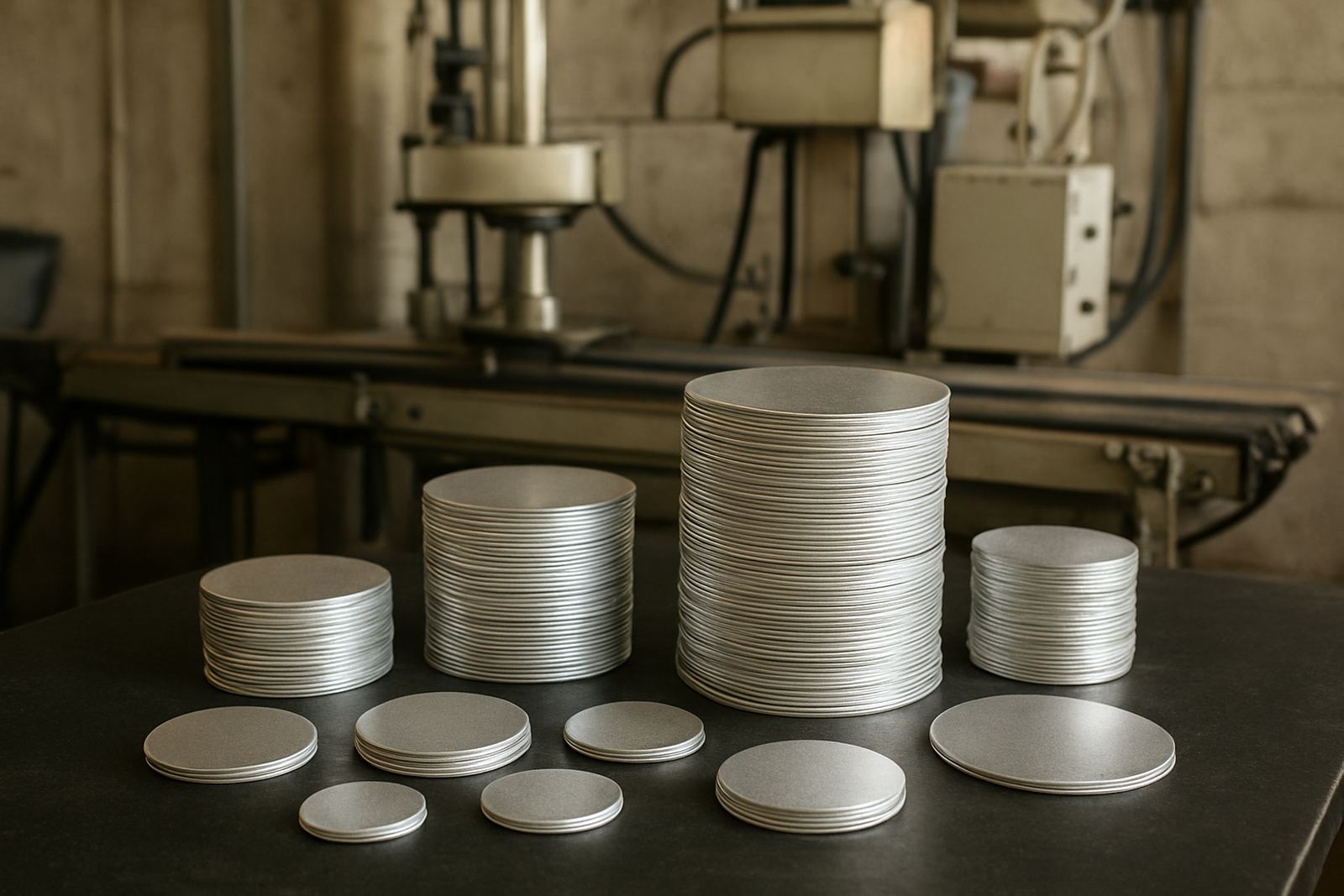
- Adjustable power settings for different foil liners
- Counter and line speed matching for steady throughput
For plants that run a few pack sizes, the ability to change height and seal settings without long stoppages is useful. If your product range includes food, chemicals and pharmaceutical packs, liner matching is important because not every foil works the same on every container and closure.
Where this sealer suits best
This unit suits lines that need reliable sealing of bottles, jars and tubs where a tamper evident closure is required. It is a good fit for pharmaceutical products, sauces, dry goods, powders, detergents, cleaning liquids and other chemical packs. The clean seal helps when customers expect visible product protection, and it can also reduce returns linked to cap leakage during transport.
Plants in Durban, Richards Bay and other coastal towns often deal with warm rooms, moisture and frequent washdown nearby. Air cooled sealing can still be a practical choice in those conditions provided the equipment is placed in a clean area with clear airflow. If the line is too close to steam, dust or a heat source, the cooling path must be kept open or the unit may run hotter than it should.
- Food packing rooms with moderate output
- Pharma lines needing tamper evidence
- Chemical and household product filling areas
- Plants with limited water service access
- Operations that want simpler day to day upkeep
Installation, power and line fitment
Installation is normally straightforward because the unit does not need a water circuit, pump set or cooling hoses. It is positioned over the conveyor or product path at the correct sealing height and then aligned to the cap finish. Good set up depends on the bottle being capped correctly before induction. If the cap is loose or skew, the seal may not form evenly and you will waste liners.
Most units need a stable single phase or three phase electrical supply depending on the model and output. On sites with load shedding or weak power quality, it is wise to plan for surge protection and proper earthing. Many plants also benefit from checking conveyor height, guide rails and capper settings before commissioning. A small gap or wobble can affect seal performance more than people expect, so it is worth taking time during setup.
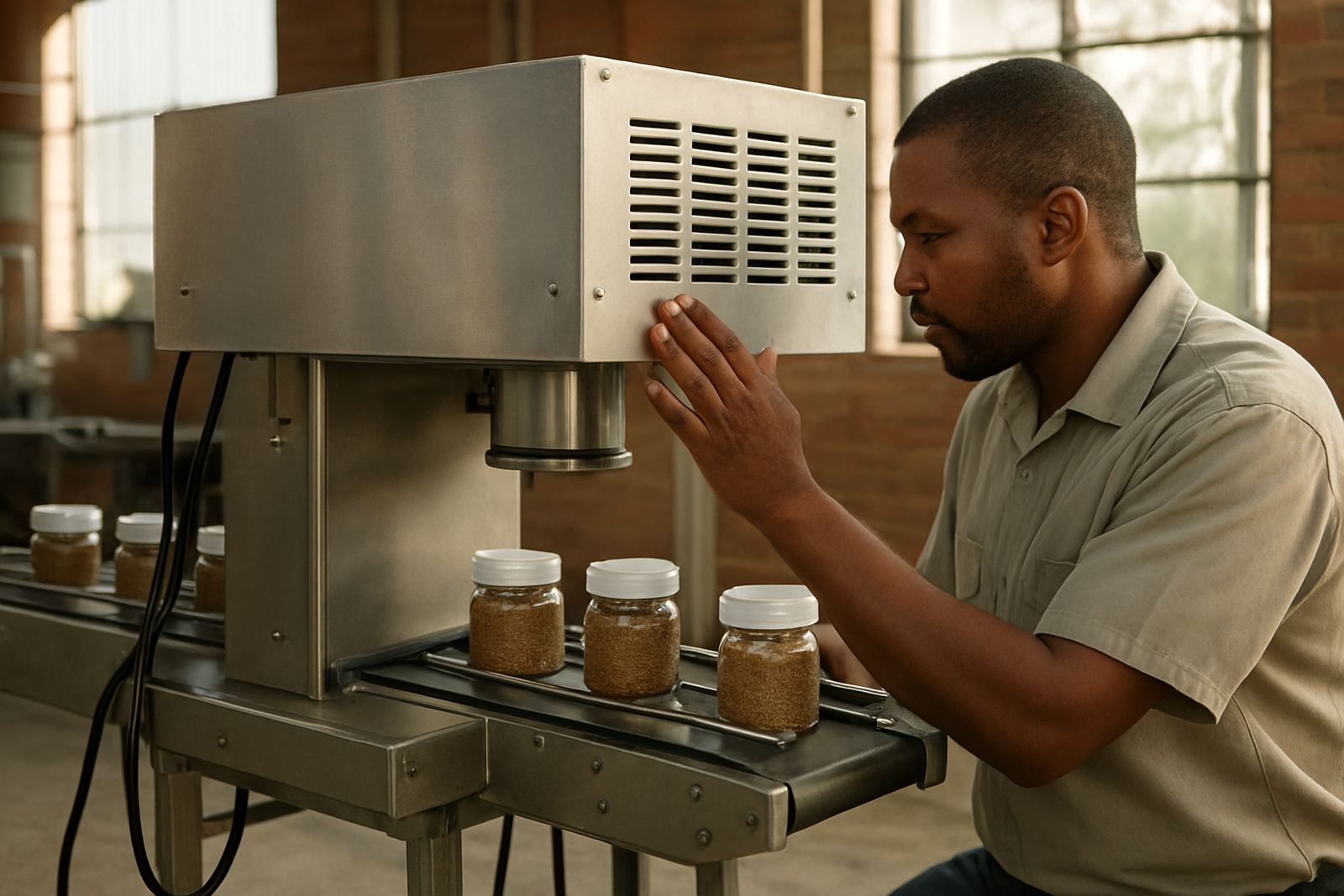
- Allow enough clear space around the cooling vents
- Keep the head level with the cap top face
- Match power supply to the selected output rating
- Confirm bottle and cap sizes before commissioning
- Check that the line speed is within the tested range
Care, servicing and operator checks
Routine care is simple but important. The air paths must stay free of dust, carton fibre and product residue so the cooling fan can do its job. The sealing head should be kept clean and dry, and operators should watch for wear on cap chucks, guides and conveyor components near the sealer. In food and pharmaceutical plants, a clean sealing area is part of good hygiene practice too.
Preventive maintenance normally includes checking electrical connections, fan operation, seal output and alignment. If the line starts missing seals, the first things to inspect are liner type, cap torque, bottle finish and the sealing height. It is also useful to keep sample packs from good runs so staff can compare them when a batch starts to drift. That saves time and helps avoid stopping the whole line for a guess.
We support site installation, line commissioning, operator training, seal validation, preventive maintenance and breakdown repairs across Durban, Pinetown, Prospecton, Pietermaritzburg and Richards Bay. Remote support is also available when a plant needs fast advice before a bigger fault develops.
What to confirm before you place an order
To supply the correct air cooled sealer, we need a few details from your line. These include the bottle size, closure type, liner material, target line speed and the product being packed. A chemical pack, for example, may need a different liner choice from a dry powder bottle even when the cap looks the same. The more accurate the information, the better the seal performance from the first run.
- Container diameter and neck finish
- Cap type and liner specification
- Required output per hour or per shift
- Available electrical supply on site
- Whether the line runs hot, dusty or in high humidity
If you are replacing an older unit or adding sealing to a new line, send photos of the cap, bottle and conveyor layout. That helps us check fitment and recommend the correct head size and settings. For sealed goods leaving Jacobs, Pinetown or any inland dispatch point, proper validation and matching save a lot of trouble later on.
Key facts
| Cooling method | Forced air cooling |
|---|---|
| Typical use | Standard induction cap sealing on bottle and jar lines |
| Power requirement | Single phase or three phase, model dependent |
| Output range | Matched to low and mid speed packaging lines |
| Installation | Inline over conveyor with capped container alignment |
| Service support | Installation, commissioning, training, maintenance and repairs nationwide |