Continuous sealing for bottles that must stay properly closed
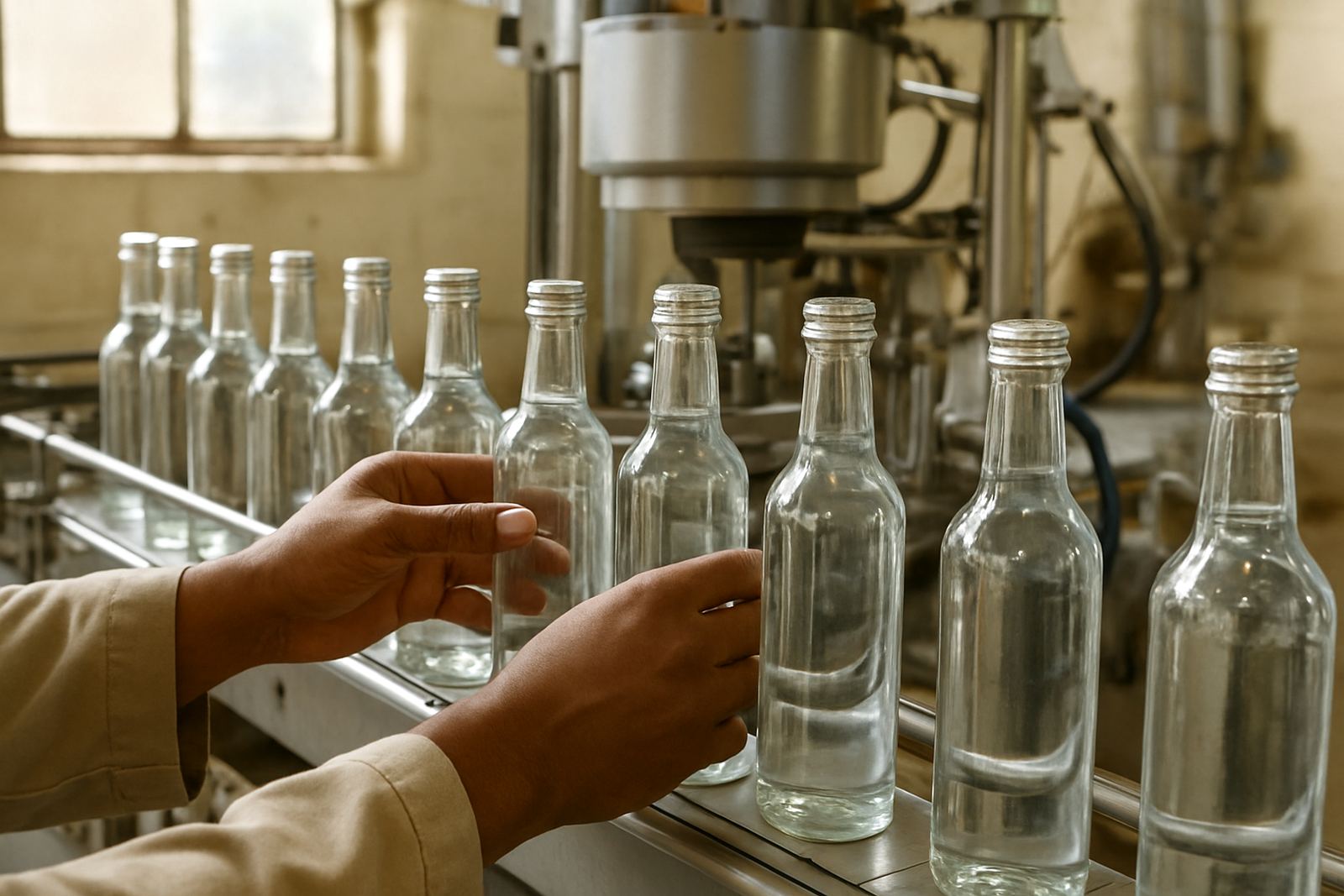
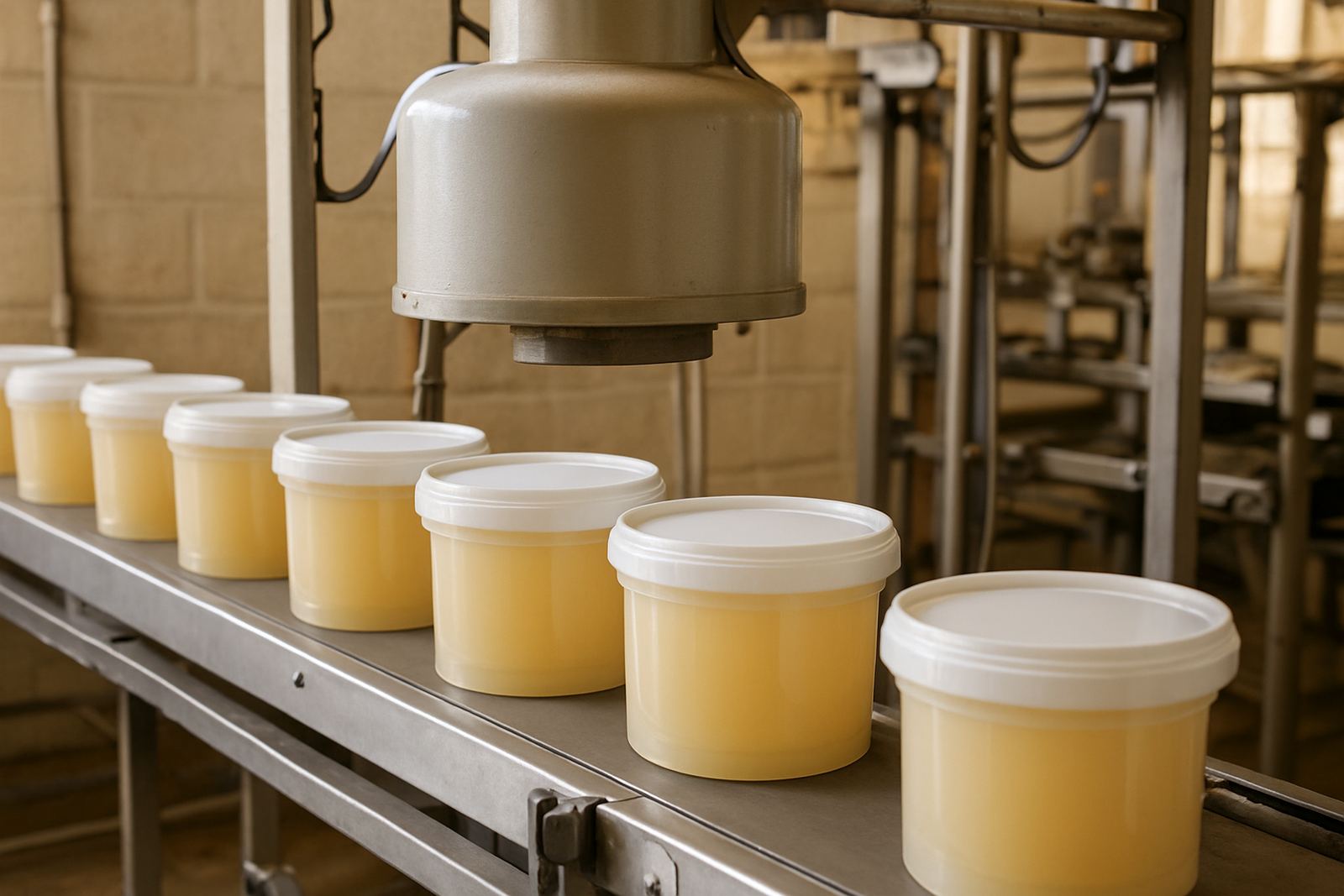
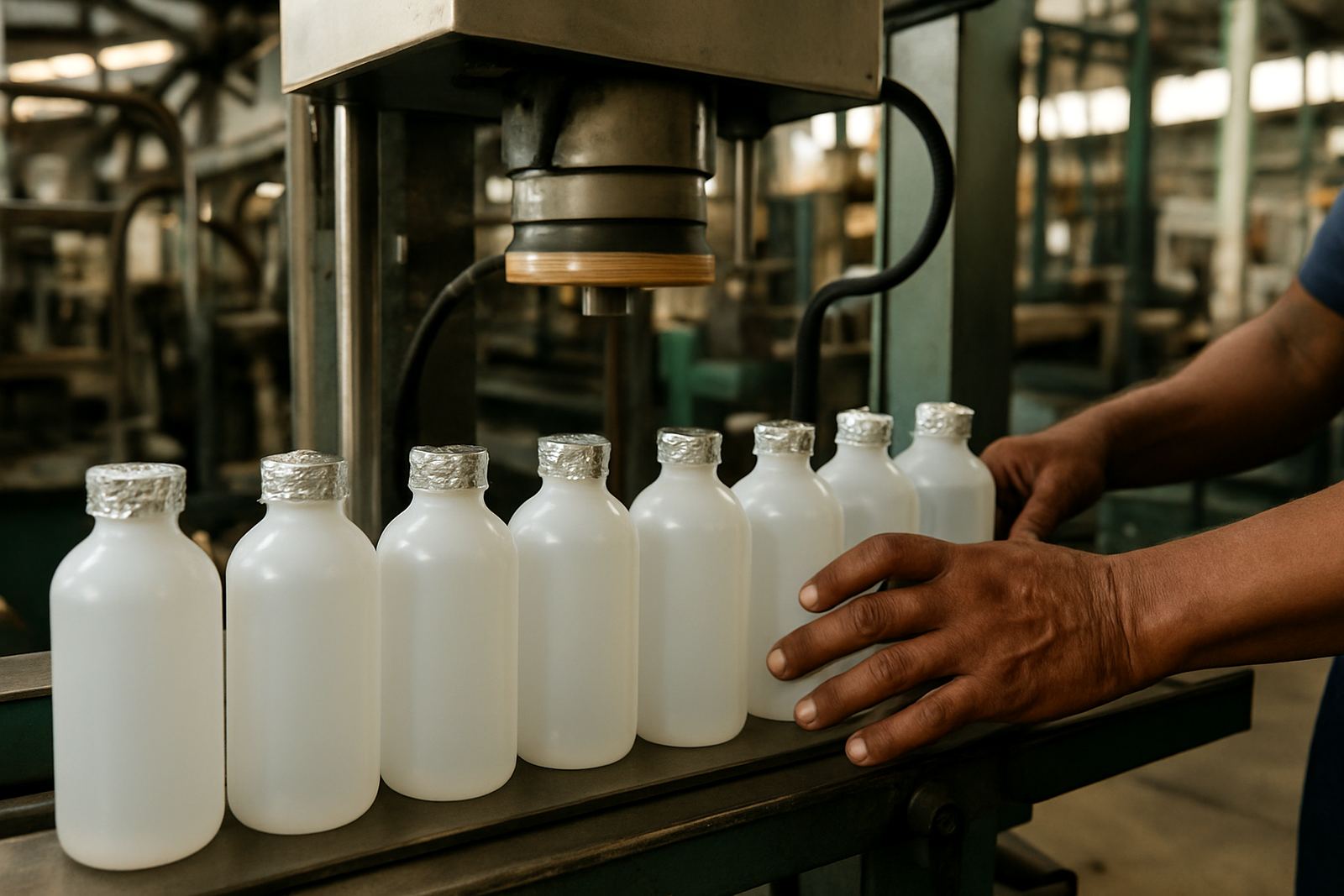
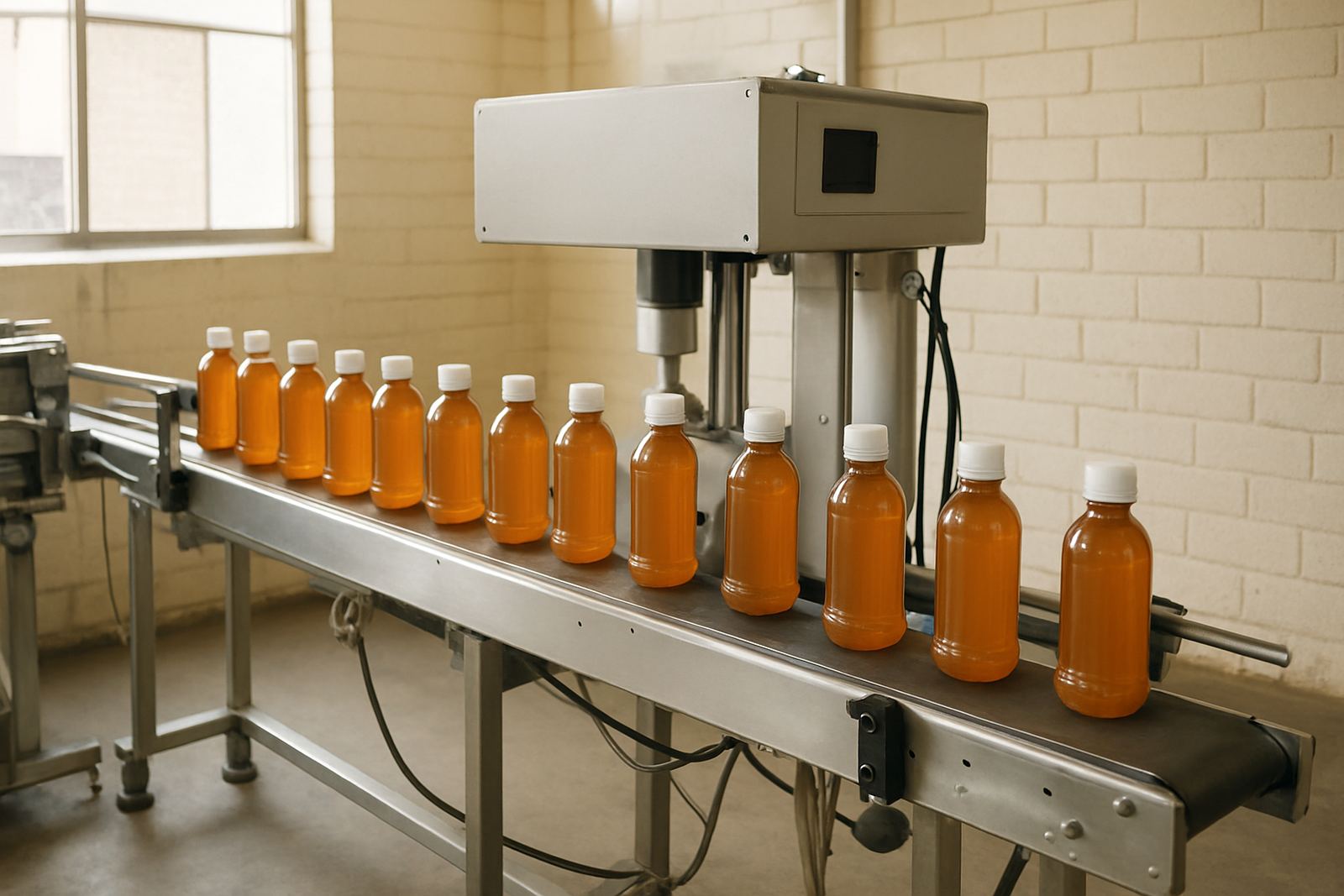
The Inline Sealer 1500 is used on production lines where containers move at a steady pace and every cap needs a clean, even seal. It applies induction heat to foil liners inside the cap, creating a tamper-evident seal without touching the product itself. That makes it a practical choice for liquid fills, powders, chemicals and other packaged goods that need better protection against leakage, contamination or unauthorised opening.
In busy plants around Jacobs, Pinetown and Prospecton, the main advantage is repeatability. Once the cap and liner are matched correctly, the machine gives consistent sealing across the shift, even when operators change or line speed varies a little. It also helps when load shedding interrupts normal operations, because plants often need equipment that can start up again without fuss and keep pack output moving.
The unit suits facilities that want a continuous sealer rather than a hand applied or stop-start setup. It is commonly fitted after a capper and before case packing, so the bottle passes through in line and leaves with the foil liner bonded in place. For many sites, that extra control reduces complaints, returns and product loss.
Where the Inline Sealer 1500 fits best
This model is best suited to medium-speed lines where output is important but full high-speed automation is not required. It works well in food plants, pharmaceutical packaging rooms and chemical filling areas that run regular bottle sizes and need clear process control.
- Shampoo, sauce and condiment filling lines
- Tablets, syrups and nutraceutical packs
- Household and industrial chemical bottles
- Contract packing operations handling several SKU sizes
- Plants looking to add tamper evidence without changing the whole line
Because Durban’s humidity can affect cartons, labels and some closure components, the sealing step must be dependable and properly aligned. The Inline Sealer 1500 is often selected for sites that want a compact in-line unit rather than a bigger tunnel arrangement. It is also a good fit where floor space is tight and the line layout must stay practical for cleaning and supervision.
For smaller plants in Pietermaritzburg or Richards Bay, the machine gives enough capacity for growth without forcing an early jump to a much larger system. In some cases, it becomes the point where a manual pack line moves into more controlled production.
Available sizes, layouts and line options
The Inline Sealer 1500 is supplied as a continuous sealer designed to work with standard bottle handling and cap presentation. Options depend on the bottle shape, cap diameter and product speed, so the machine is matched to the line rather than treated as a one-size machine. That matters because a tall, narrow bottle will behave differently from a short, wide container, especially if the cap is slightly off centre.
- Adjustable conveyor height and guide settings
- Head positioning for different cap sizes
- Output matched to medium-speed filling lines
- Single-head or multi-head arrangements where required
- Optional stainless steel frame specification for washdown or corrosive areas
For operations using a range of bottle formats, line changeover points should be checked before ordering. A plant may need one set-up for 250 ml bottles and another for 1 litre containers, and the sealing head clearance must suit both. If your caps are tall, narrow, ribbed or have a difficult top profile, that should be discussed early so liner matching and cap presentation can be checked properly.
The main thing is fit for purpose. A sealer that is too small will slow the line, while one that is oversized can be more demanding on maintenance and power use. Getting the right configuration first saves time later, and avoids unnecessary stoppages.
Installation, power needs and plant conditions
Installation is straightforward when the line is already well planned. The unit should sit in a stable position after capping and before any outer pack handling. Good conveyor alignment is important, because the bottle neck must pass through the sealing zone without wobble or tilt. If bottles are unstable, the seal quality can vary and you end up chasing problems that should have been fixed at the layout stage.
Power supply needs depend on the exact configuration, but the unit is typically installed on standard plant electrical supply with proper earthing and safe isolation. A qualified electrician should confirm the incoming supply, cable sizing and protection before commissioning. In areas where voltage fluctuation is an issue, especially during load shedding recovery, it is wise to check the line’s electrical stability as part of the setup.
If the pack room is close to corrosive conditions, coastal air or frequent washdown, the enclosure and surrounding fittings should be specified with that in mind. Durban and the North Coast can be hard on metal components, so regular checks are not optional, they are part of keeping the line healthy. Make sure there is enough clearance for operators to access the cap feed, sealing head and conveyor zone safely.
On commissioning day, Bottle Sealers can assist with setup, line testing, seal validation and operator training so your team understands what good seal appearance and good heat transfer should look like.
What to check before you place an order
Before ordering, the most useful information is practical and specific. If the bottle or cap is wrong, the seal will not be right no matter how good the machine is. We ask customers to share samples where possible so the liner and cap pairing can be checked against the application.
- Bottle material, neck finish and diameter
- Cap type, cap height and closure material
- Liner type required for the product
- Target output per hour or per minute
- Product sensitivity to heat, dust or moisture
- Line layout, conveyor height and available floor space
It also helps to know whether the product is food, pharmaceutical or chemical, because each sector has its own handling and compliance needs. Some products need tighter traceability, while others need more attention to chemical compatibility and seal integrity. If the bottle is stored in hot rooms or moved through humid conditions, that should be mentioned too. The more complete the order details, the better the final result, and the fewer surprises later on.
Care, servicing and day to day support
Like any induction unit, the Inline Sealer 1500 performs best when it is kept clean, aligned and checked regularly. Daily operator checks should include the conveyor path, sealing head area and any dust or residue that may build up around the cap feed. If the machine is running in a dusty or sticky filling room, small issues can build quickly if nobody keeps an eye on them.
Preventive maintenance should cover drive components, electrical connections, cooling where fitted, and the general condition of the sealing zone. Seal quality should be validated at set intervals, especially after product changeovers or stoppages. A line that ran well last week can still drift if a guide rail is loose or a bottle size has changed slightly, so the checks matter more than many operators think.
Bottle Sealers supports installations from Jacobs, Durban and surrounding industrial areas through to sites across South Africa. That includes breakdown repairs, remote support, spares supply, liner matching and line optimisation. If your team needs refresher training or the pack line has started to misbehave, a quick look by someone who knows induction sealing can save a lot of downtime.
We keep the focus on practical service, not theory. The aim is simple: a line that seals properly, stays in spec and keeps moving. Small typo's happen on busy floors, but poor seals should not.
Key facts
| Model | Inline Sealer 1500 |
|---|---|
| Sealing method | Continuous induction sealing |
| Typical use | Medium-speed bottle lines |
| Suitable industries | Pharmaceutical, food and chemical |
| Installation style | In-line conveyor mounted |
| Support | Installation, commissioning, training and maintenance |