Why the Prospecton line needed a sealing station
The client was a Durban south industrial packing operation running household cleaning liquids in plastic bottles from 250 ml up to 5 litre packs. Their filling and capping line was already working well, but once the trigger heads were fitted after capping, a few issues kept coming up. Some packs picked up seepage during handling, a small number of caps loosened in distribution, and the team had no verified tamper evidence before final fitment.
They needed a sealing point that would sit neatly into the existing line, work with their bottle neck and cap format, and cope with a busy shift pattern. The line could not stop for long, and the site had regular load-shedding interruptions, so the new station had to recover quickly after power cuts and hold its settings without fuss. In Prospecton, with heat and coastal humidity coming through the building, the seal also had to stay dependable through storage and transport.
The brief was to add induction sealing before trigger fitting, improve pack integrity, and keep throughput steady. It was not a blank-slate project. It was a practical retrofit on a live production line, so every part had to suit the bottle sizes, the conveyor height and the available floor space.
What we planned around on site
We started with a site walk, measured the line and checked the bottle range, cap finish and liner requirement. The client was using a mixed pack format, so the sealing head had to allow for quick height setting and stable placement over the cap shoulder. The station had to be positioned before trigger fitting, with enough clearance for operators to load and for maintenance staff to reach the transfer points.
The biggest constraints were speed, uptime and cleanliness. Cleaning chemicals can leave residue if the fill level varies, and any splash or dust around the neck finish can reduce seal quality. The area also needed to stay easy to wash down, because the site follows normal food and household product housekeeping standards where spills and residue are not allowed to build up. We planned the install so the sealing zone could be isolated from wet cleaning, with cable runs kept neat and out of traffic paths.
We also had to think about power conditions. As is often the case in Durban industrial areas, the plant had to work through supply drops and generator switchover. The sealing unit was configured so settings could be restored quickly after an outage, and the operators were shown what to check before starting up again.
- Product type: liquid cleaning chemicals in plastic bottles
- Pack range: 250 ml to 5 litre containers
- Line position: before trigger fitting, after capping
- Site conditions: warm, humid, occasional power interruption
- Goal: better leak control and tamper evidence
Equipment supplied and how it was set up
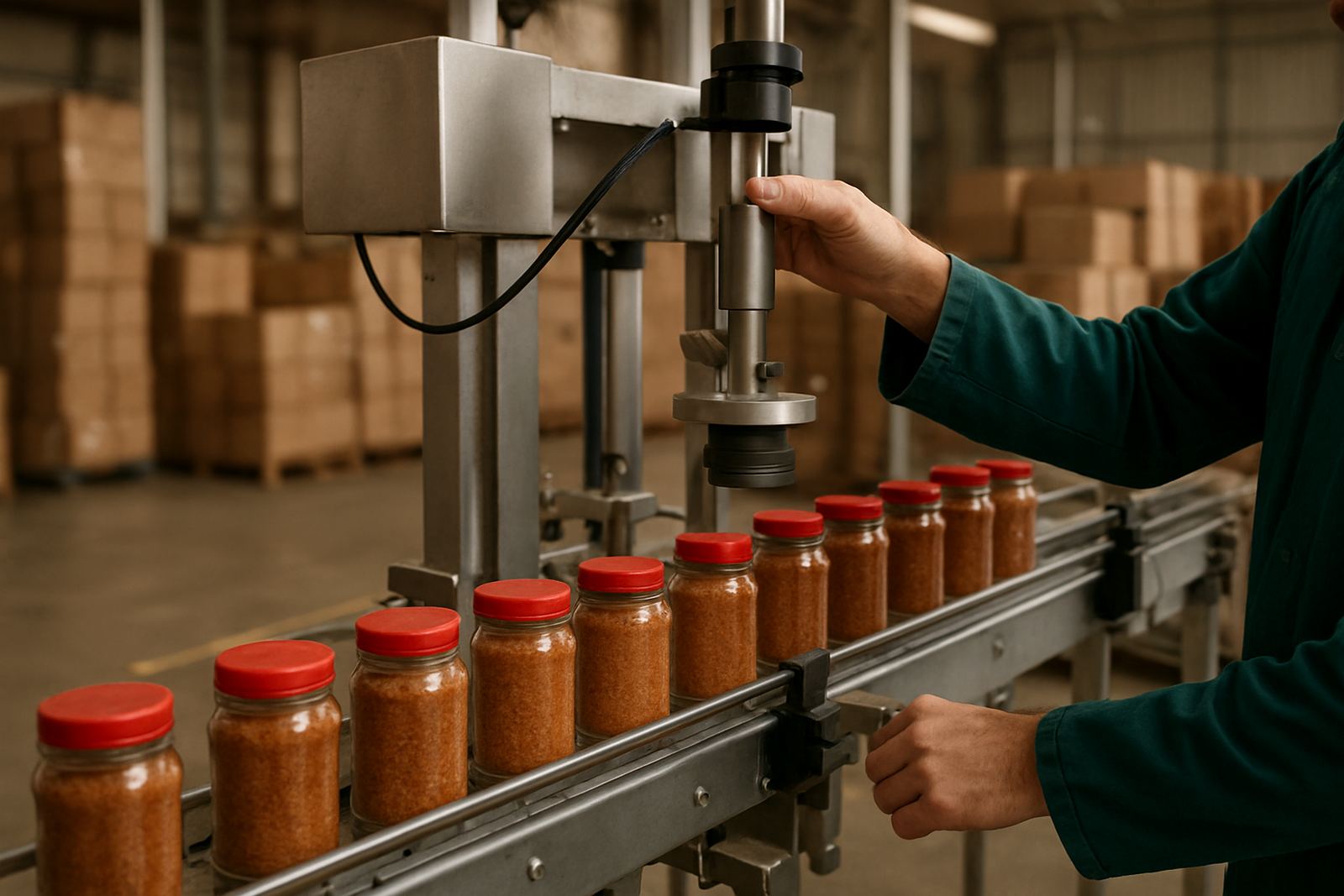
We supplied a complete induction sealing station with a matched cap liner approach, set up for the client’s bottle and closure format. The head was selected for repeatable seal performance on standard plastic closures used on cleaning products. We matched liner size to the cap finish, checked the compression point and confirmed that the seal ring sat where the client needed it for inspection after capping and before trigger fitment.
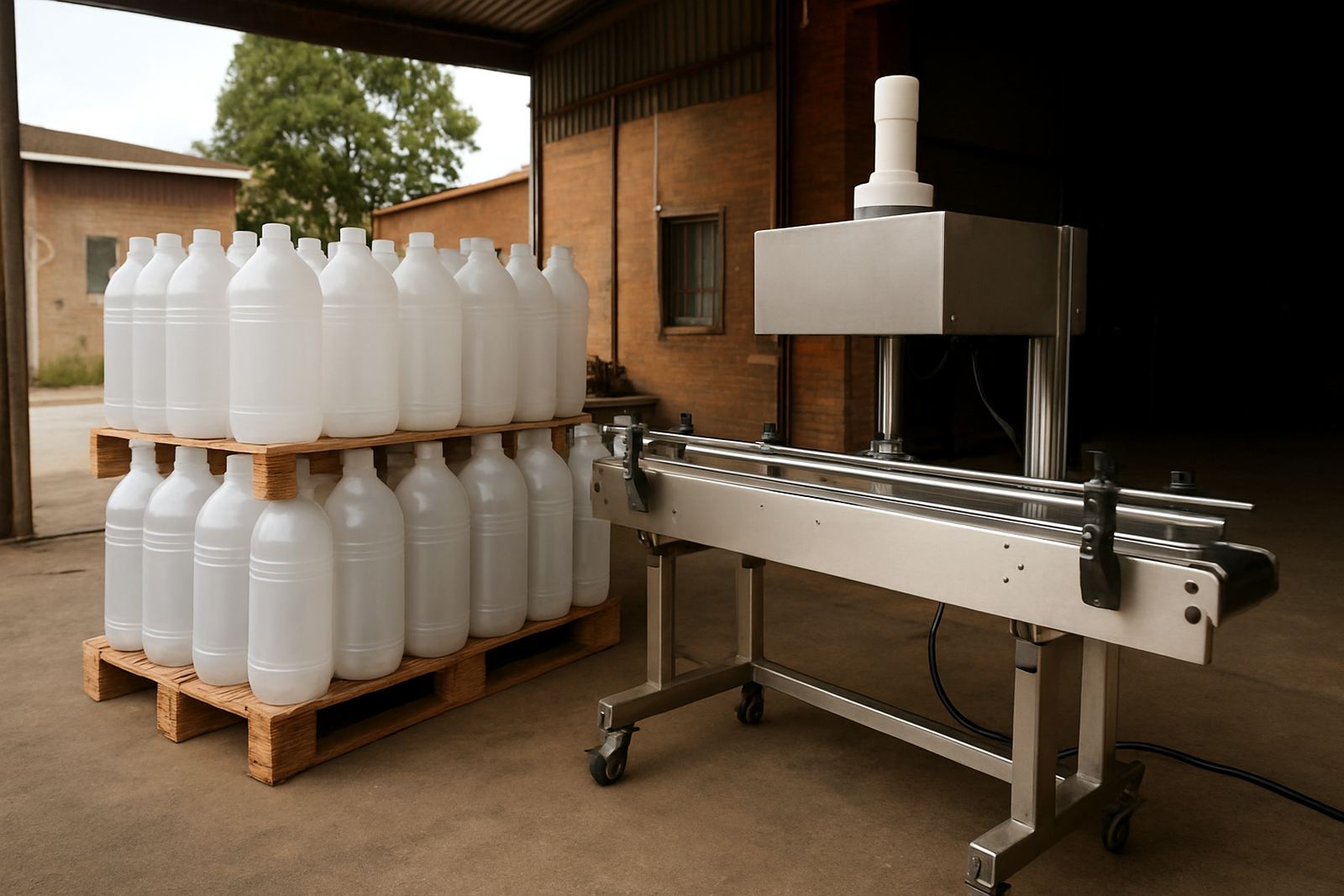
The install included mounting, alignment and conveyor integration so the bottle path stayed straight through the sealing point. We set the head height to suit the tallest product in the range and then fine tuned the position for shorter bottles, because a station that only works on one size is no use when the packing team changes SKUs during the day. The system was wired and commissioned in line with the site’s electrical arrangement, with controls placed where the operator could see them without walking around the line.
We also supplied spare liners for the first production run and showed the team how to check liner orientation, cap torque and seal appearance. If the cap is over tightened the liner can distort, if it is under tightened the seal path may not form properly, so the handover focused on practical settings rather than theory. The line was tight and the changeovers had to stay quick.
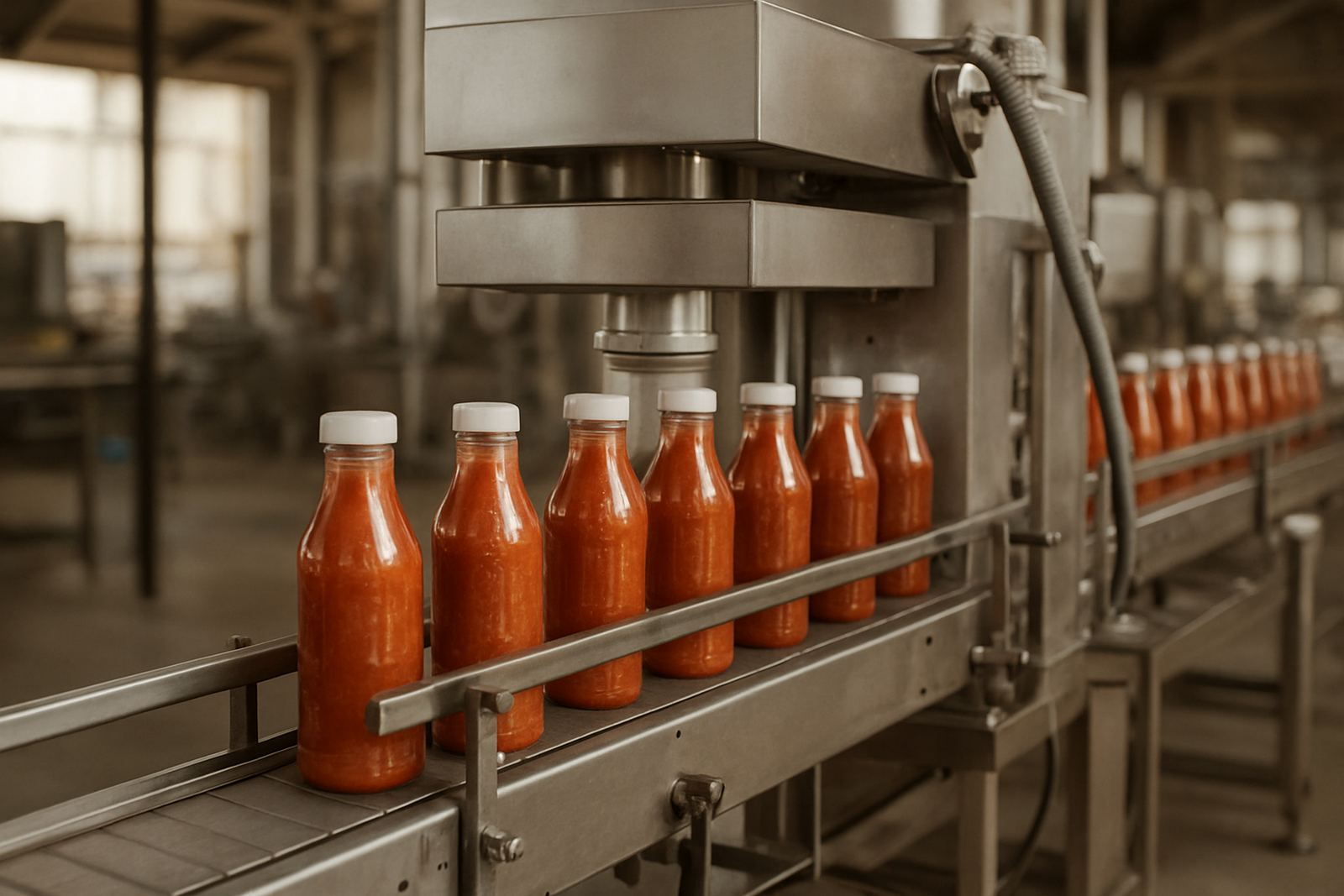
- Induction sealing station fitted inline after capping
- Matched foil liners for the client’s closure size
- Conveyor and head alignment completed on site
- Spare liners supplied for commissioning runs
- Operator checks set up for torque, placement and seal appearance
Commissioning and operator training over three weeks
The full project ran over three weeks from site measurement to handover. Week one covered assessment, final sizing and ordering of the correct liners. Week two was installation and mechanical alignment. Week three was commissioning, seal checking and operator training during live production.
During commissioning we ran sample bottles through the station at normal line speed and then tested for seal consistency, lift strength and leak resistance. We adjusted the head position and dwell settings until the seal formed cleanly across the cap liner every time. The team wanted a practical setup that could be repeated by their own operators on the next shift, not a setup that only worked when a technician was standing there with a spanner.
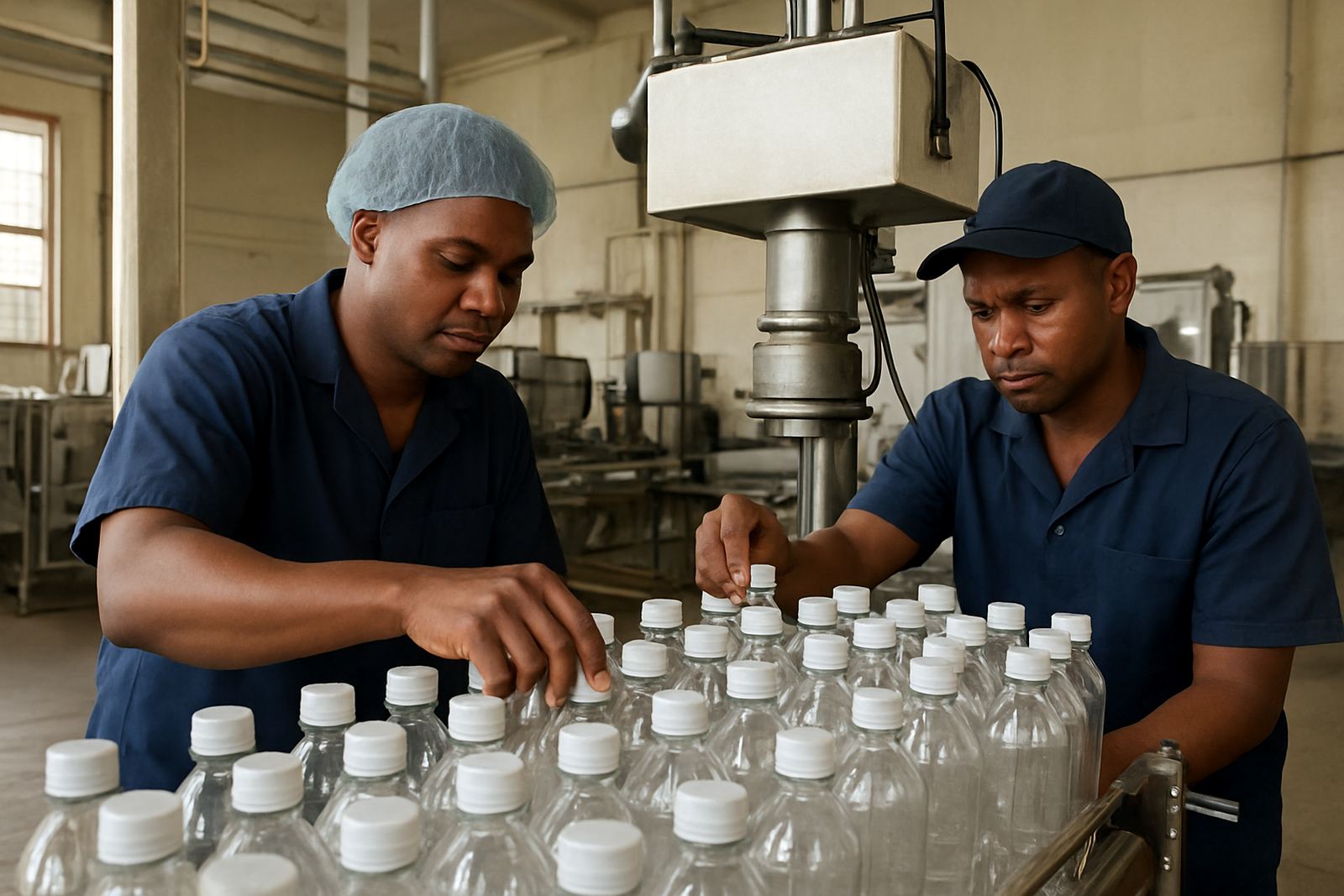
Training was done with the shift supervisors and machine operators on the floor. We covered start-up checks, what to do after a power cut, how to spot a poor seal early and how to keep the sealing area free from dust and product splash. We also explained the common causes of failures on a chemical line, including off-centre caps, wet neck finishes and liner contamination. A short refresher was left with the team so they could keep the process steady without waiting for outside help every time.
By the end of the third week the line was sealing consistently and the trigger fitting station could take over without interrupting production flow.
Results the client could see straight away
The first result was less product loss. Before the retrofit, the team had isolated leaks from a small number of units during handling and dispatch. After sealing, those complaints dropped sharply because the induction liner gave a secure barrier before the trigger head was fitted. The second result was cleaner pack presentation. Bottles left the line with a proper tamper-evident seal that looked the same from one batch to the next.
The change also helped the warehouse team. Better seals meant fewer cartons had to be rechecked for seepage at loading time, and that saved time during dispatch peaks. On a line running cleaning chemicals in the Durban heat, that matters. It is not just about product protection, it is about keeping cartons dry, labels readable and customers happy when the stock arrives.
From an operations point of view, the line became easier to manage. The operators had clear checks, the maintenance team had a defined inspection point, and the client could show a proper seal process during internal quality audits. They also appreciated that the station fit the existing layout instead of forcing a full line rebuild.
- Reduced leak risk during transport and storage
- Improved tamper evidence before trigger fitting
- Cleaner final pack appearance across multiple bottle sizes
- Less rework and fewer cartons opened for inspection
- Better control during load-shedding recovery and restart
What we would repeat on a similar line
If we were doing the same job again for a cleaning product site in Prospecton, Pinetown or Pietermaritzburg, we would follow the same order: measure the bottle range first, confirm cap and liner compatibility, then place the sealing station where operators can work without crowding the line. That sequence keeps the job practical and avoids costly adjustments later.
We would also repeat the focus on line discipline. Good sealing depends on the basics being right every time, such as fill level, cap placement and neck cleanliness. There is no shortcut there. Once those points are stable, the induction system becomes a reliable part of the packaging flow and not another piece of equipment people have to fight with.
For sites with frequent power interruptions, we would again recommend a short recovery procedure for restart after a trip. It sounds simple, but on a live line it saves time and prevents bad packs from moving ahead. That was one of the lessons from Prospecton, and it is the kind of detail that makes a retrofit worth doing.
Project facts from Prospecton
This cleaner line project showed what matters most on a busy South African packing floor: correct fit, practical training and a sealing station that works with the line, not against it. The client now has a better barrier before trigger fitting, steadier quality on mixed pack sizes and a process that the team can run with confidence.
If your line in Durban, Richards Bay or inland needs induction sealing before final closure or trigger fitment, we can assess the pack size, match the liner and commission the station on site. We work across Jacobs, Pinetown, Prospecton and Pietermaritzburg, with support available nationwide.
Key facts
| Project type | Inline induction sealing retrofit before trigger fitting |
|---|---|
| Client sector | Cleaning product manufacturing and packing |
| Location | Prospecton, Durban |
| Pack range | 250 ml to 5 litre plastic bottles |
| Timeline | 3 weeks from assessment to handover |
| Scope | Installation, commissioning, training, seal validation and liner matching |