A steady seal was the main brief
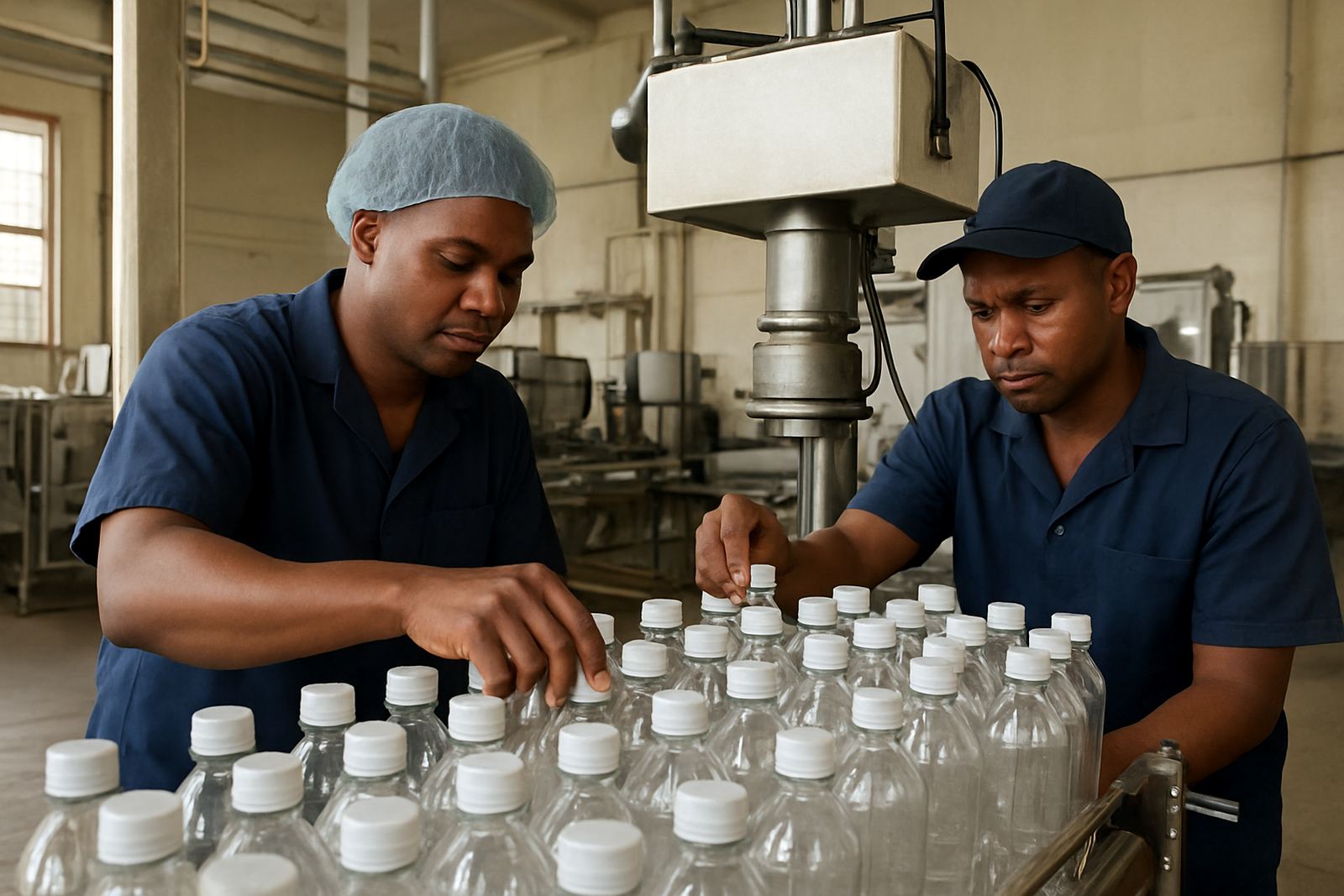
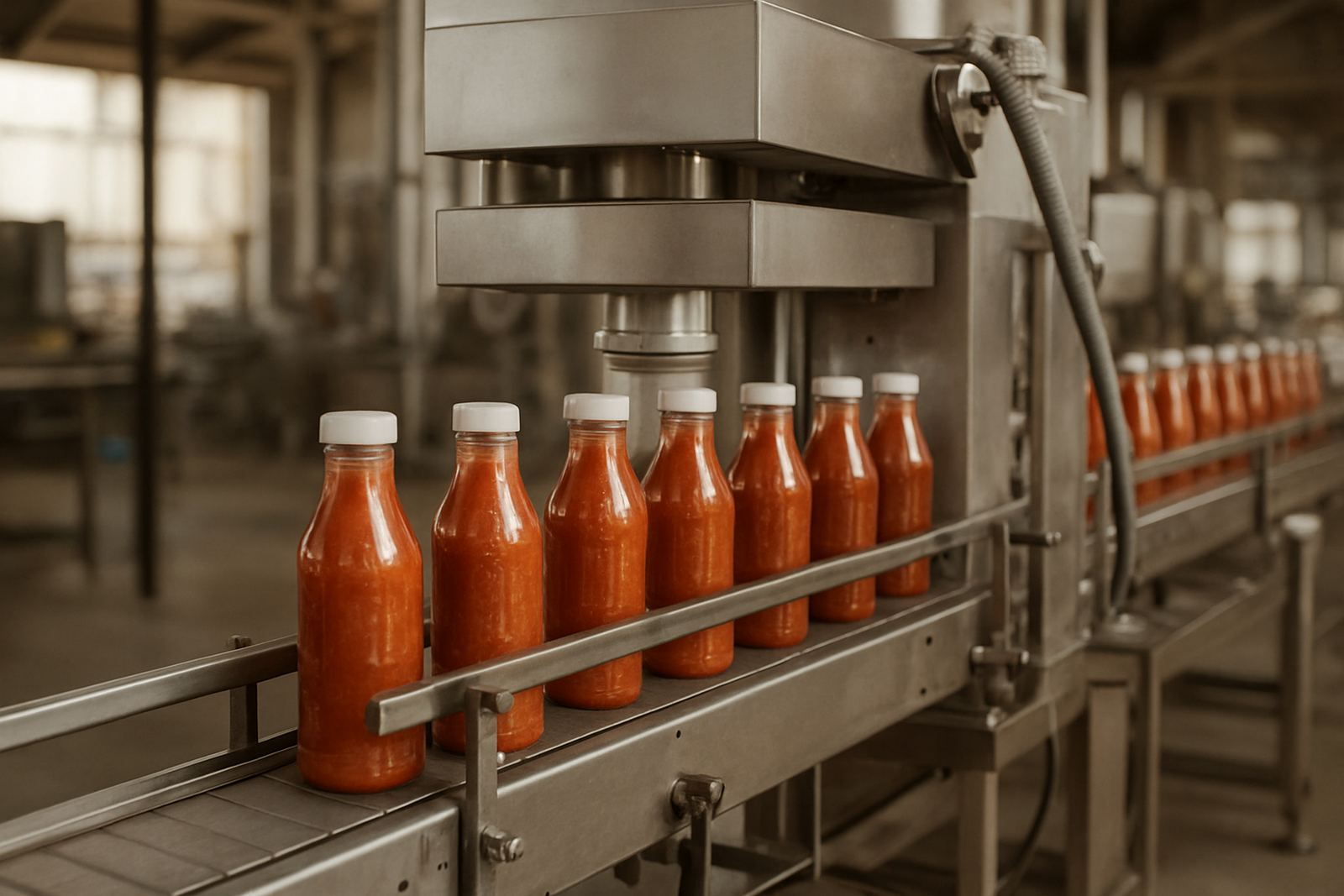
The client was a medium-sized sauce packer in Springfield, Durban, running glass and plastic bottles on a conveyor line that needed more consistent sealing through full production shifts. Their existing setup was giving uneven seal quality, slow changeovers and too much hands-on adjustment from operators.
The brief was simple enough on paper but strict in practice: improve seal consistency, keep line speed up, and make the system easier to live with during long runs. The plant works through heat, humidity and regular load-shedding interruptions, so the sealing equipment had to be stable and practical, not fussy.
- Product type: sauces in capped bottles
- Line type: conveyor-fed packing line
- Location: Springfield, Durban
- Goal: steadier output with fewer rejects
What was causing the hold-ups
The old arrangement was sensitive to bottle height variation and line stops. When the product flow slowed, operators had to keep checking for weak seals and occasional liner misalignment. That meant extra rework, more supervision and more waste when the line got busy.
Like many food packing lines in coastal Durban, the area around the sealer was also dealing with moisture in the air and temperature swings during early starts and late shifts. Those conditions can affect lining and cap handling if the equipment is not set up properly.
- Uneven seal heat across the cap path
- Frequent minor adjustments during shift change
- Rejects after short power interruptions
- Operator dependence for every small correction
The upgrade we supplied and fitted
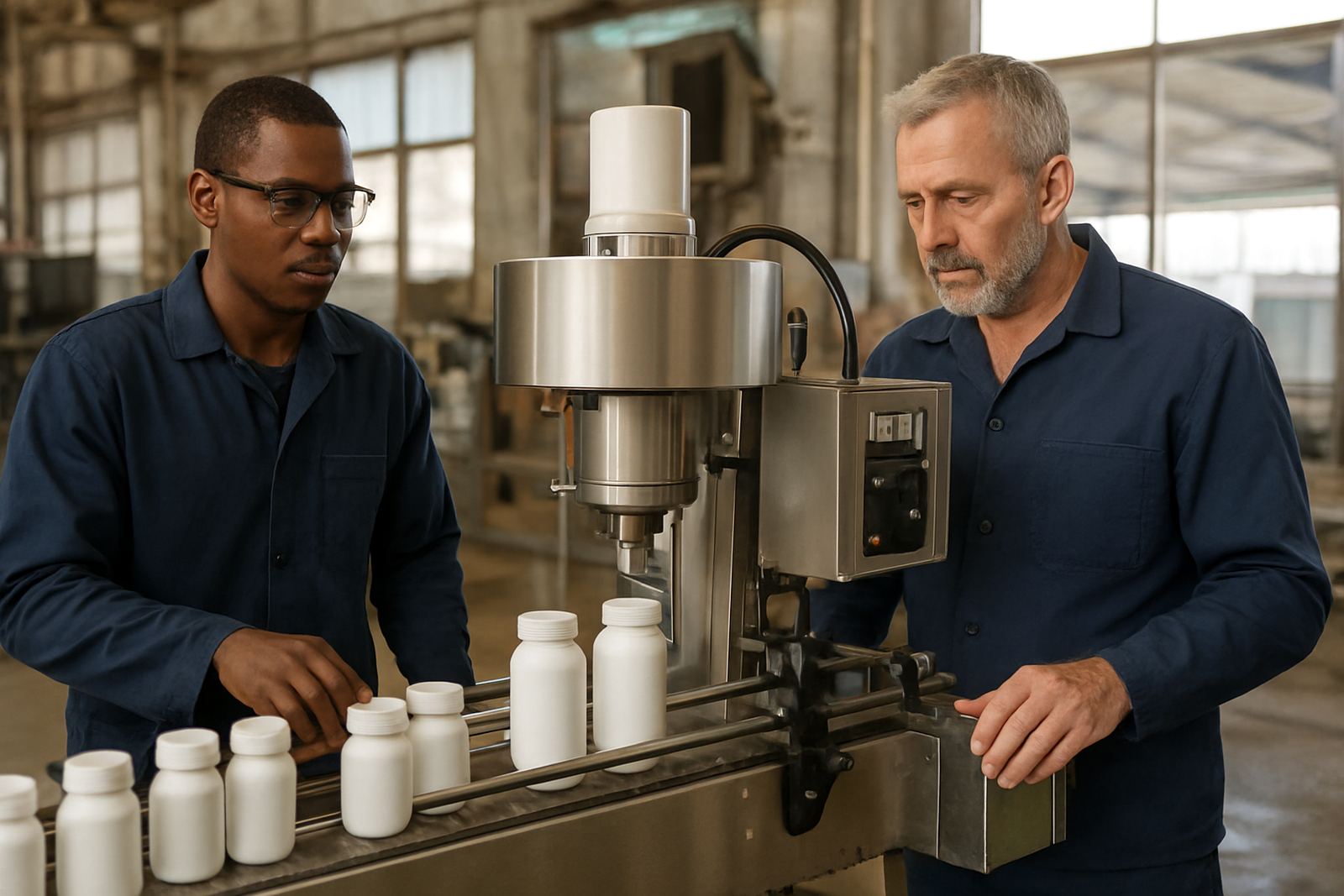
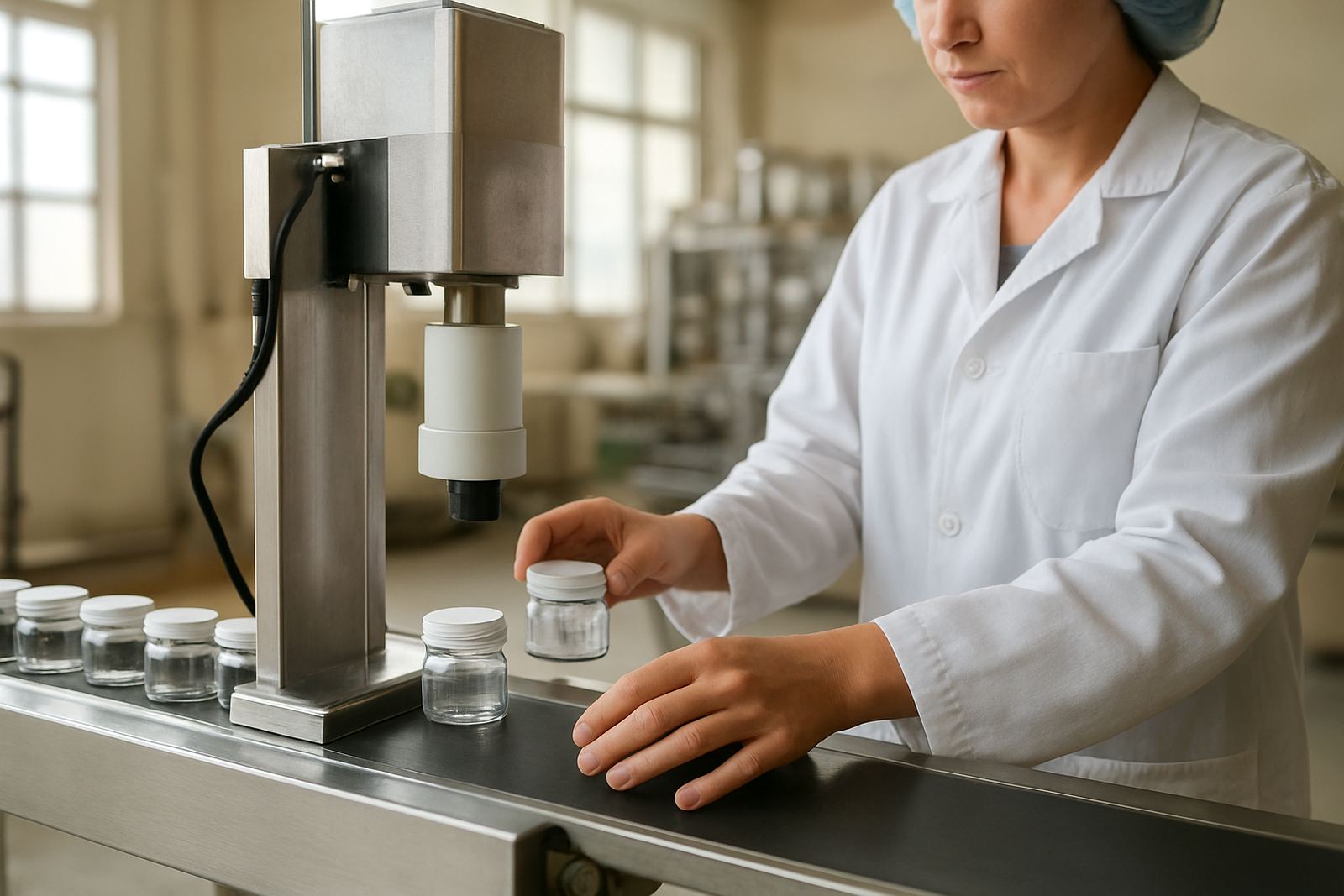
We supplied a conveyor induction sealer matched to the bottle range and output target on the line. The installation included correct head height setting, conveyor alignment, liner matching for the closure type, and a full handover to the production team. We also checked the cap and bottle combination so the seal strength stayed consistent across the full pack range.
The upgrade was planned around the plant schedule to avoid a long production stop. Our team worked in stages, first removing the unreliable section, then fitting the new sealing unit and confirming the conveyor transfer point. Once the machine was in place, we tested different bottle sizes and cap styles to confirm even sealing performance. It took 2 weeks from site assessment to final sign-off.
- Conveyor induction sealer supplied and installed
- Liner matching completed for the cap format
- Seal validation carried out on site
- Operator training done on setup and checks
Commissioning, training and line handover
During commissioning, we checked sealing consistency at normal production speed and again after short line stops. That matters on sauce lines because start-stop movement can expose weak settings fast. We adjusted the head position, belt transfer and operating settings until the team was getting the same result run after run.
Operator training covered daily checks, basic fault finding and safe restart after a power dip. The team also received guidance on keeping spare liners on hand and watching for wear points before they caused a stop. A practical handover makes a big difference, because a good sealer only stays good if the line team knows what to look for.
- Start-up checks and line speed setting
- Simple fault checks for operators
- Restart procedure after load-shedding
- Spare parts and liner stock guidance
What changed on the floor
Once the line settled in, the packer saw more even output and less manual intervention. The sealing result became more predictable, which reduced rejects and stopped the stop-start pattern that had been slowing the line down. Product moved through more cleanly and the shift team could keep focus on packing instead of chasing seal issues.
The client also gained better control around maintenance planning. With a stable setup and clear service points, they could schedule preventive checks instead of waiting for a breakdown. That is usually where the real saving sits, because unplanned stoppages cost more than the repair itself.
- Steadier sealing across full shifts
- Fewer rejected bottles
- Less operator intervention
- Cleaner maintenance planning
What we would do again on a similar line
If we were doing the same job again, we would keep the same approach: site survey first, seal matching before installation, and a short commissioning window with the production team present. That sequence keeps the project tight and avoids surprises once the line is running.
For sauce packers in Durban and surrounds, we would also recommend a check on backup power arrangements and a quick review of line flow before fitting any sealing head. A good induction sealer can only perform properly if the conveyor, cap format and bottle height are all working together. That part is often missed, and then the equipment gets blamed when the real issue is upstream.
- Start with product and closure samples
- Confirm line speed and bottle spacing before fitment
- Plan for humidity and power interruptions
- Train the operators before final handover
Key facts
| Project | Springfield Sauce Upgrade |
|---|---|
| Client type | Sauce packer, Durban |
| Work done | Conveyor sealer upgrade and commissioning |
| Timeline | 2 weeks |
| Service area | Springfield, Durban |
| Outcome | Steadier sealing with fewer rejects |