What the Ladysmith packhouse needed
The client packs agricultural chemicals for supply into KwaZulu-Natal and inland distribution, so the bottle seal had to hold under transport, stacking and storage in warm conditions. The brief was straightforward: give every bottle a clean induction seal, keep the line moving at a practical pace, and make sure operators could manage the system without calling for help every few hours.
The site had limited floor space, mixed bottle sizes and a production pattern that changed between order runs. The team also wanted a liner that would suit the product range without causing extra rework on filling day. We planned the job around those conditions rather than forcing a one-size-fits-all setup.
- Client type: agricultural chemical packer
- Town: Ladysmith, KwaZulu-Natal
- Product format: capped plastic bottles on a fill and seal line
- Main need: reliable tamper-evident closure and leak control
Site limits and operating conditions
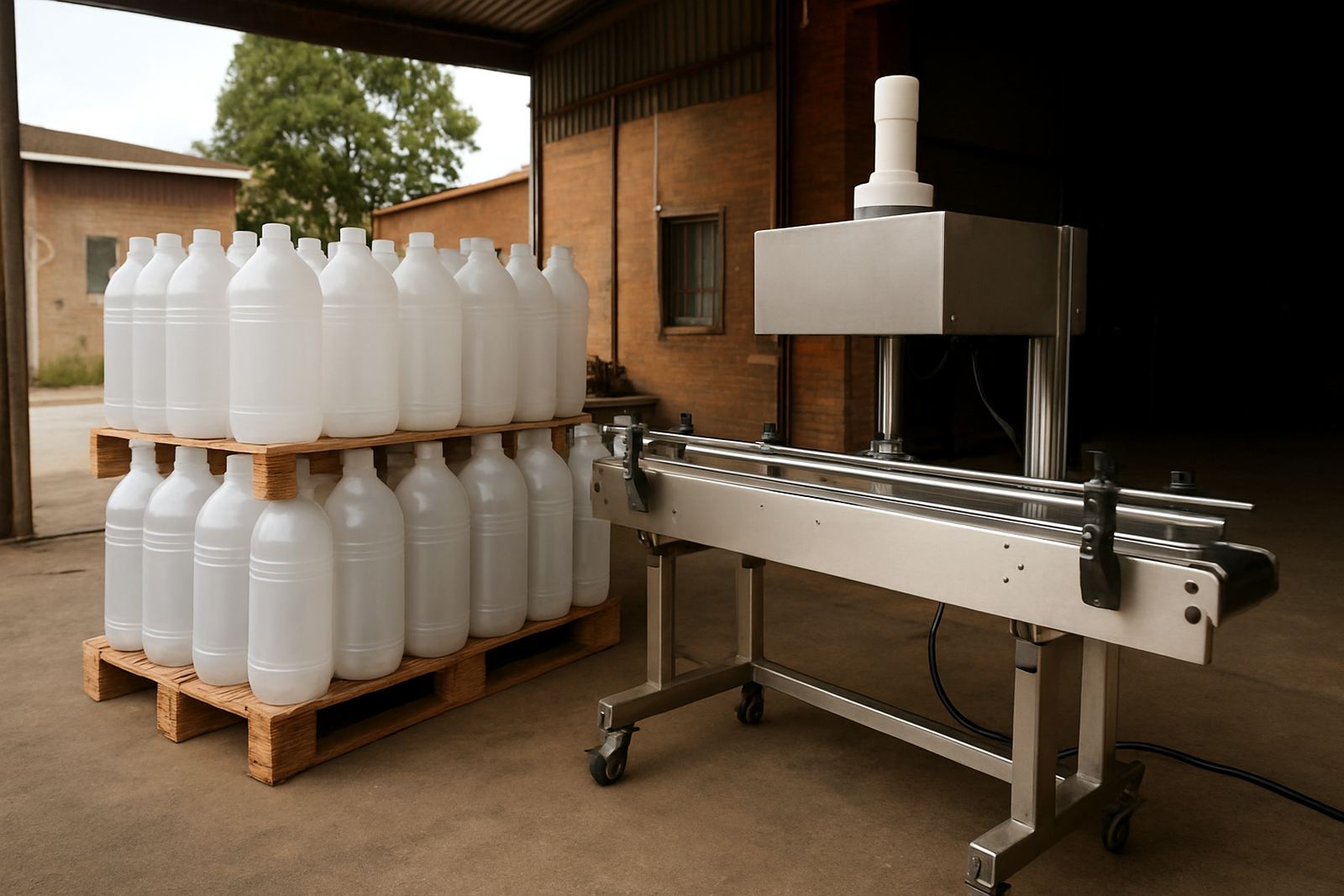
Like many inland plants, the Ladysmith site had a few practical constraints. The line had to fit around existing filling, capping and carton handling equipment, and the business did not have time for a long shutdown. Power interruptions also had to be considered because load-shedding can interrupt a shift just when bottles are moving well.
We checked bottle neck size, cap style, conveyor height and available changeover space before confirming the sealing head position. The customer also wanted the setup to handle normal dust, product handling residue and the usual wear that comes with agricultural packaging. That meant keeping the sealing area easy to clean and simple to inspect between runs.
- Need to suit varied bottle sizes on one line
- Space allowance for quick changeover and cleaning
- Allowance for power interruptions and restart checks
- Seal area set for regular inspection during shifts
What we supplied and installed
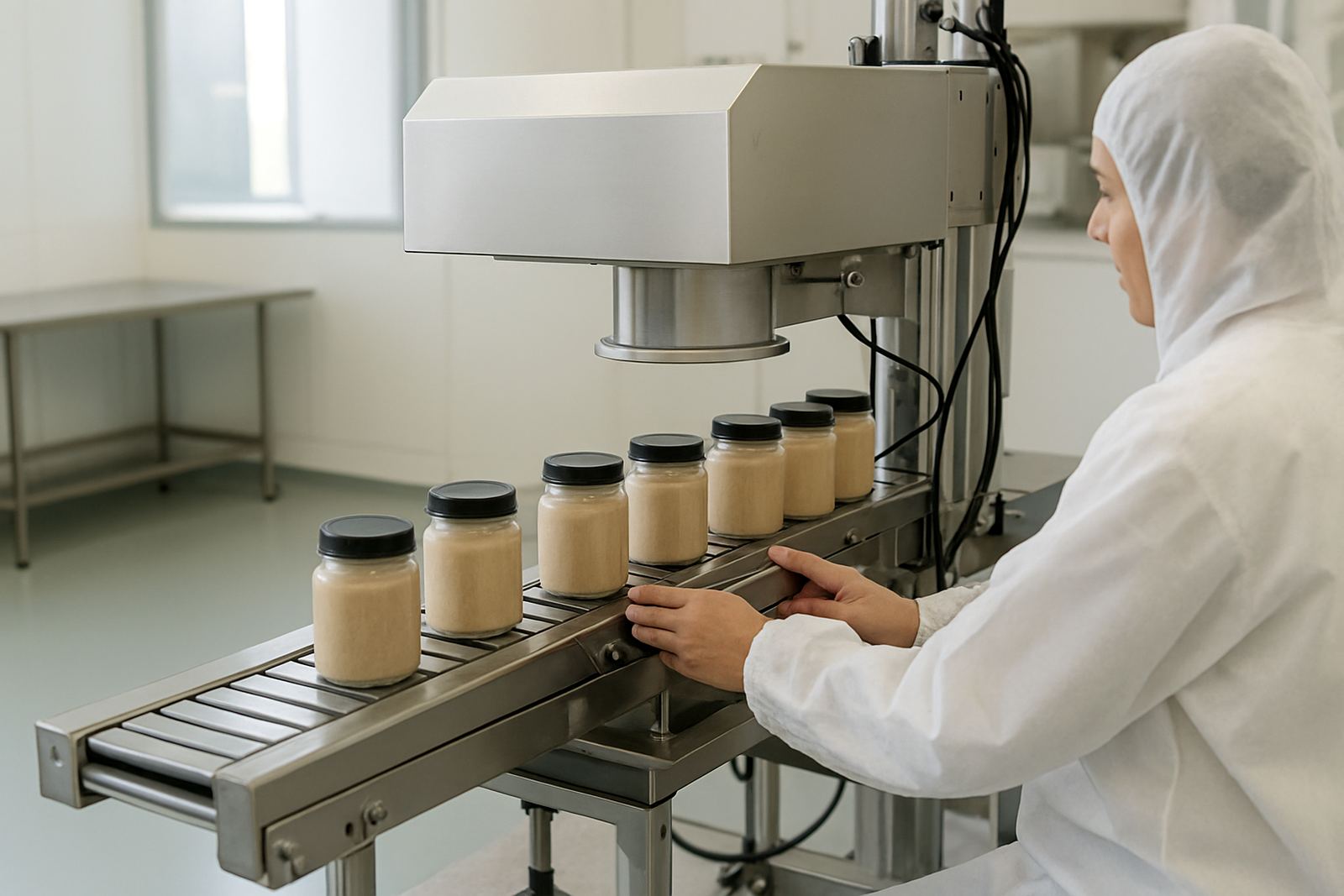
We supplied an induction cap sealing solution matched to the bottle range and the line speed agreed during the job planning. The package included the sealing head, control setup, matched foil liners, basic mounting hardware and the consumables needed for initial testing. We also checked liner fit against the cap and neck finish so the seal would close cleanly without wrinkling or overheating.
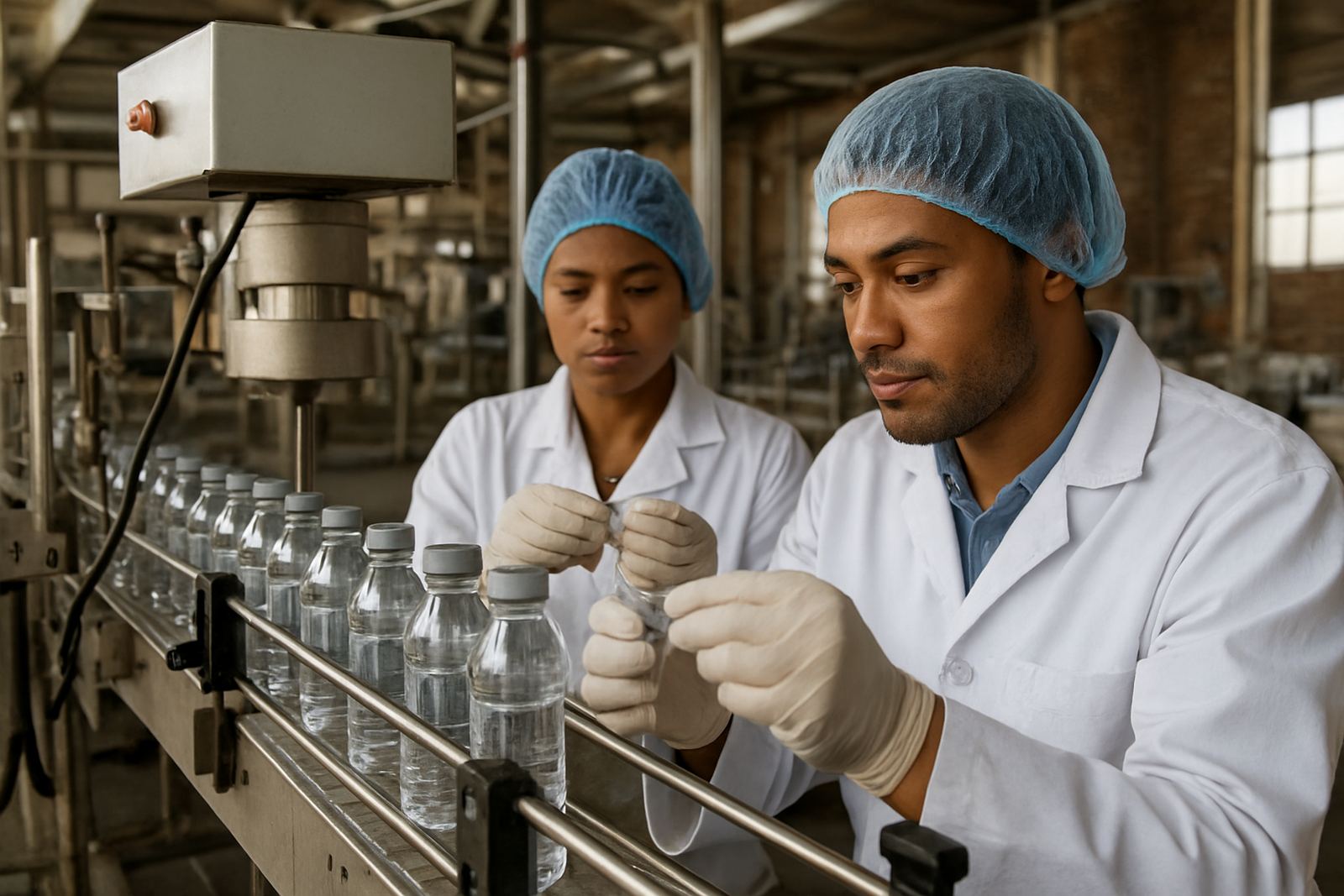
The line was commissioned on site and tested on actual bottles from production. We ran sample cartons through the process, checked seal integrity after cooling, and adjusted the head height and dwell settings until the closure was consistent. The team wanted practical support, not a long lecture, so we kept the setup notes simple and focused on what operators needed to see on the floor.
- Induction sealing head sized for the bottle format
- Matched foil liners for agricultural chemical bottles
- On site line commissioning and test sealing
- Operator guidance for start-up, shutdown and checks
Training that matched the shift pattern
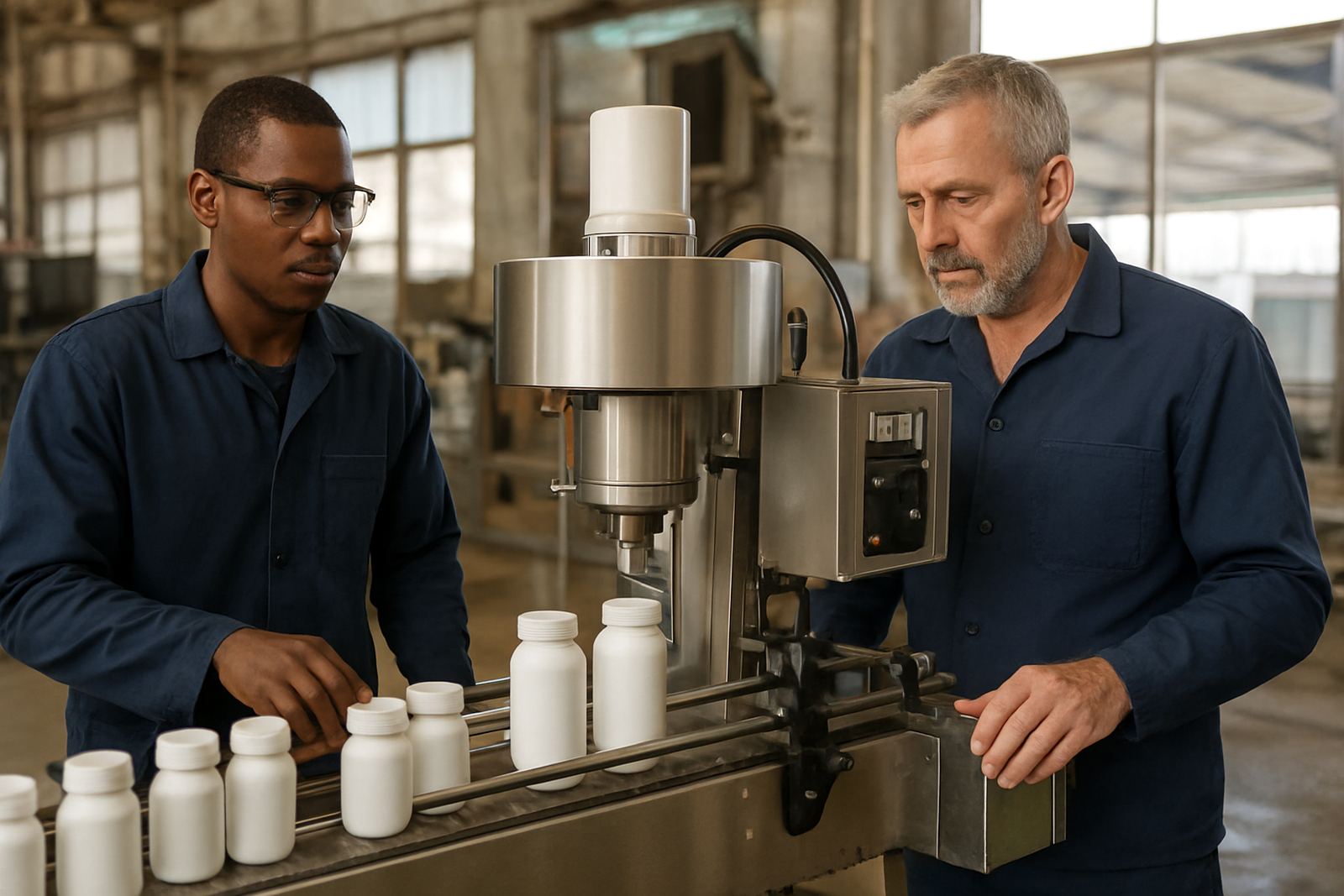
Training was part of the brief from the start. We worked with the operators and the shift lead so the line could be started, monitored and cleaned by the people using it every day. The session covered liner handling, cap placement, seal checks and what to do when a bottle does not pass visual inspection.
Because the client runs practical production hours, we kept the training short, clear and tied to the actual line. We also walked through basic fault finding so the team could deal with small issues before they became downtime. A simple checklist was left behind for the first few runs, and the staff picked it up quickly. There was a bit of dust around the packing area too, so the team appreciated the clean routine we set out.
- Correct liner placement and cap tightening
- Visual seal checks after cooling
- Start-up, stop and restart procedure
- Basic fault recognition and when to call for support
Timeline from first visit to sign-off
The work was completed over three weeks from initial site visit to final sign-off. Week one was the assessment and measurement stage. Week two covered supply preparation, liner matching and planning for installation around the client’s production slots. Week three was the on-site install, commissioning, testing and training.
That timetable suited the plant because it reduced disruption and allowed production to continue with only a controlled stop for the changeover. We kept close contact with the site contact in Ladysmith throughout the process, which helped with stock planning and ensured the seals were tested on the exact bottles being packed. No one wanted a surprise on the line and, frankly, neither did we.
- Week 1: site assessment and measurements
- Week 2: supply prep and liner matching
- Week 3: installation, testing and staff training
- Final step: seal validation and handover notes
Results on the floor
After commissioning, the line produced even seals with no obvious scorching, lifting or poor adhesion on the test runs. The customer reported better confidence in the bottle closure, especially for stock moving through warmer handling areas. The operators also had a clearer routine, which reduced the chances of inconsistent sealing between shifts.
For an agricultural chemical packer, that matters because leaks and damaged closures create waste, complaints and avoidable clean-up. The sealing setup gave the site a practical way to keep product integrity under control while maintaining a sensible pace. If the plant needs support again, we would repeat the same approach: measure properly, test on the real bottle, train the operators, then sign off only once the seal is holding as it should.
- Consistent seal quality across test bottles
- Cleaner handover between shifts
- Reduced risk of leakage during handling and transport
- Simple operating routine for the production team
Key facts
| Project | Ladysmith Agri Pack |
|---|---|
| Town | Ladysmith, KwaZulu-Natal |
| Industry | Agricultural chemical bottling |
| Scope | Site training, testing and sealing line supply |
| Timeline | 3 weeks from assessment to sign-off |
| Service base | Jacobs, Durban |
| Support areas | Nationwide sealing lines with KZN coverage |