Chemical Bottling Brief From Newcastle
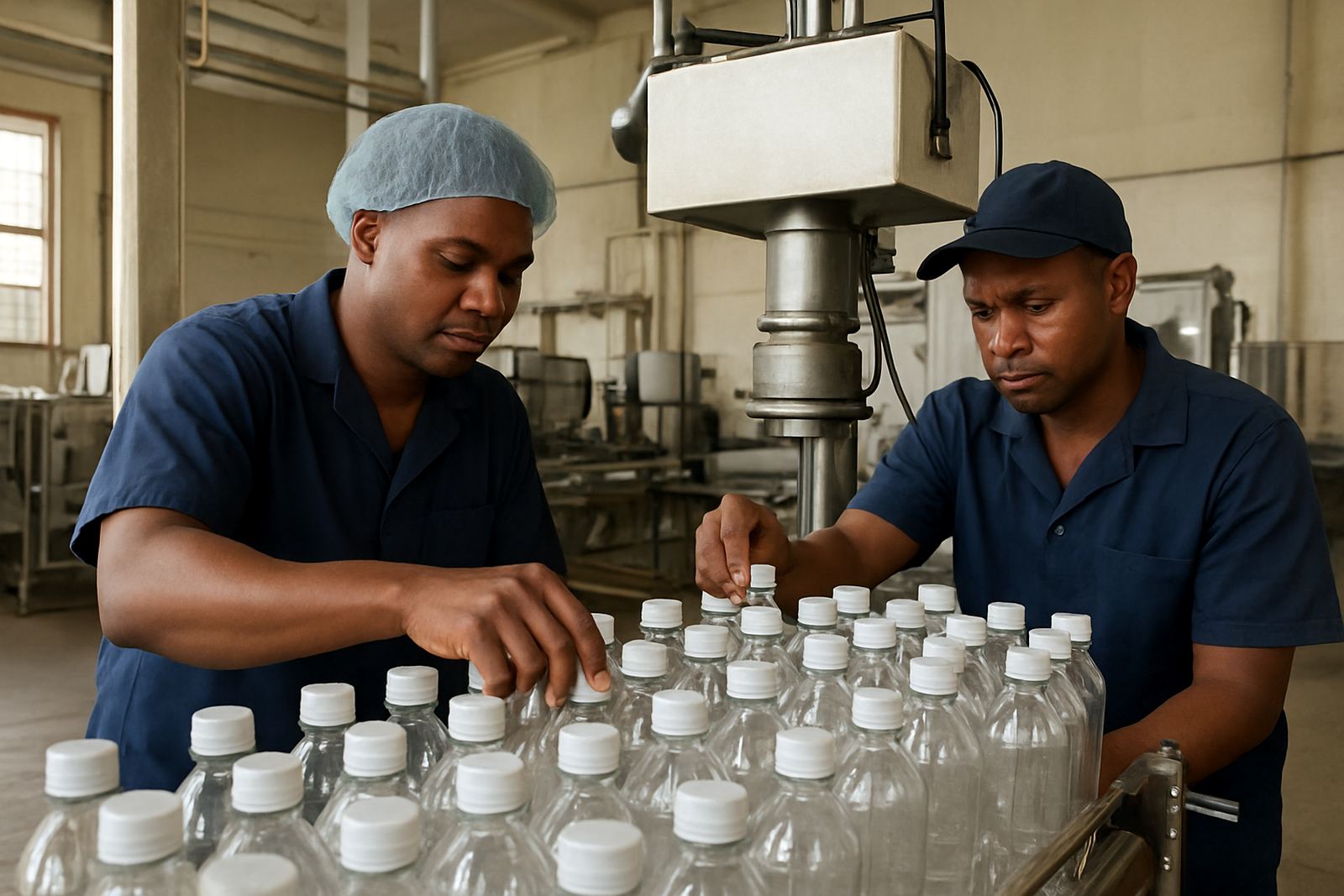
The customer was a chemical packaging operation in Newcastle handling HDPE bottles for liquid and powdered products, with cap sizes larger than the usual retail formats. Their main need was simple to say and not so simple to run: every bottle had to leave the line with a clean, consistent seal that would stand up to transport, storage and basic tamper concerns.
The pack area also had practical limits. The line had to work in a plant where the floor space was tight, dust control mattered, and stop-start power events could not be allowed to throw the seal quality off. The bottles were moving through a high-output pack line, so the induction head had to fit into an existing conveyor run without slowing the pack rate.
- Product: HDPE chemical bottles
- Cap style: wider screw caps
- Need: consistent induction foil sealing
- Setting: existing pack line in Newcastle
What We Had To Solve On Site
The first issue was liner matching. Wider caps need the right foil spec, the correct bond layer, and enough heat transfer to seal evenly without damaging the bottle or distorting the closure. Some products in this space can be a bit unforgiving, so we selected liners to suit the cap geometry and the bottle finish rather than forcing a generic option.
We also had to work around an older conveyor layout and a production schedule that could not stop for long. The customer wanted minimal disruption, with a tidy install and a start-up that their operators could manage after handover. There was also the usual inland challenge of warm pack areas and dust, so the equipment needed to stay dependable through long shifts.
- Wider cap sizes required careful head setting
- Existing line had limited spare space
- Production could only pause for a short window
- Operators needed practical training, not theory only
Equipment And Sealing Setup Supplied
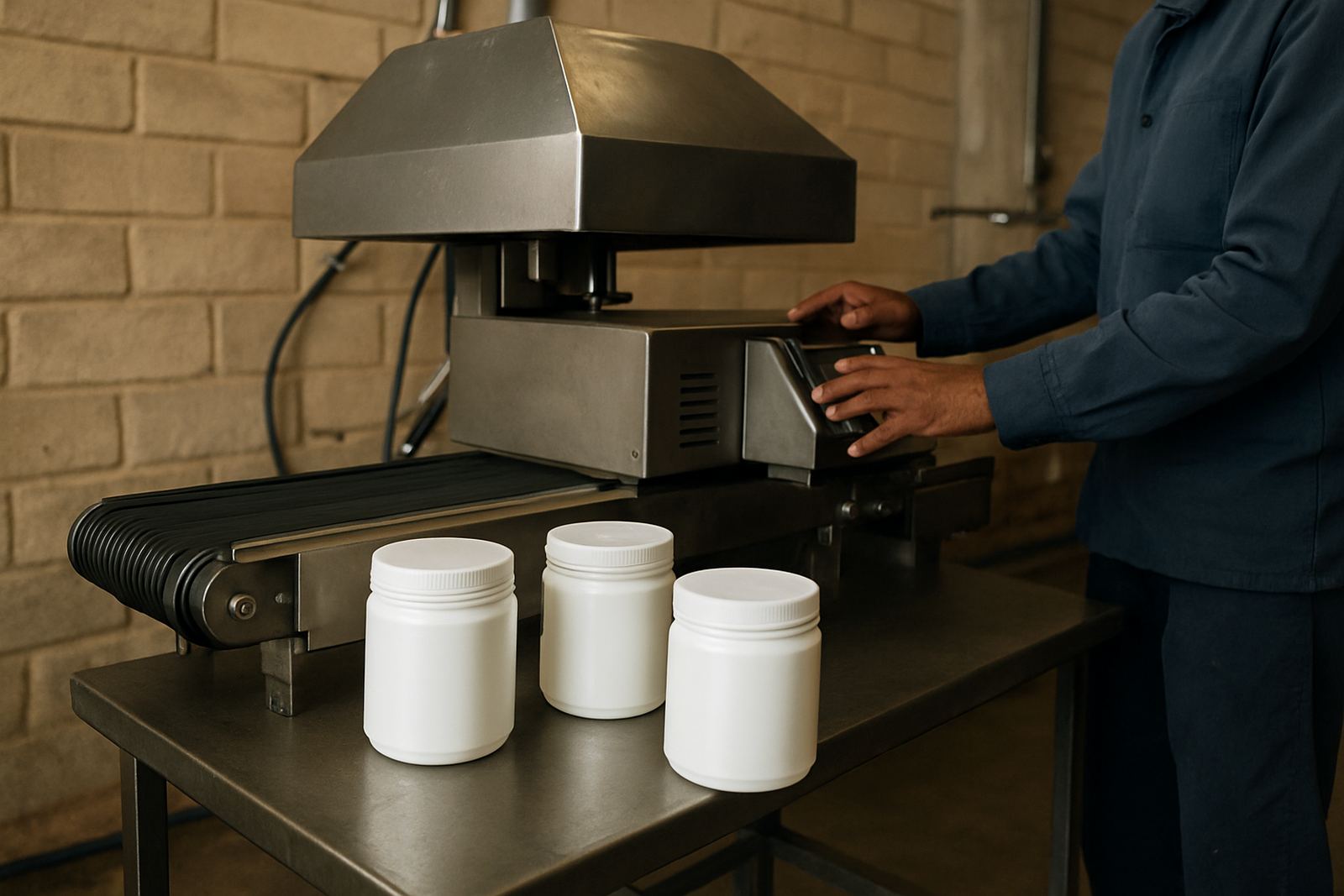
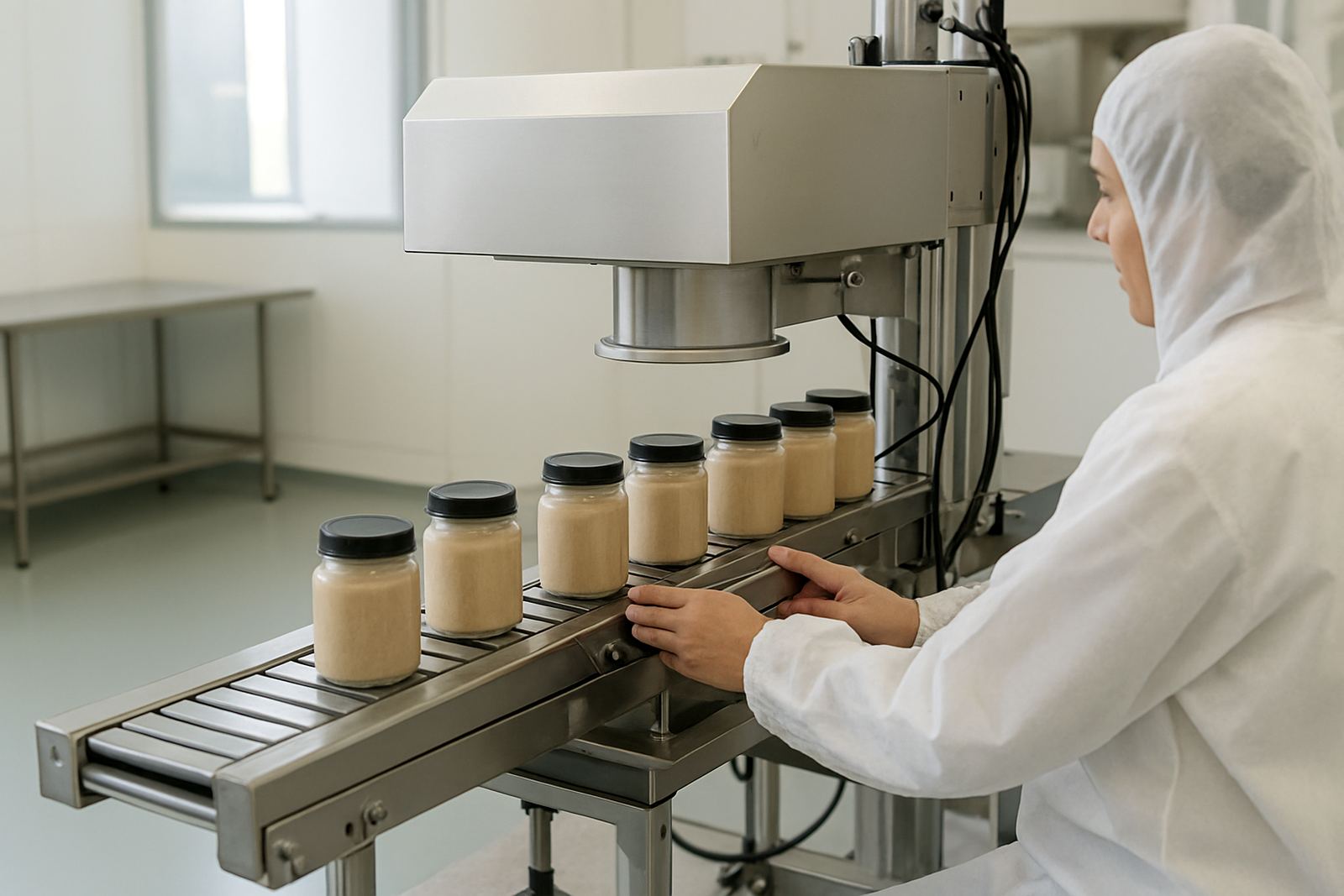
We supplied an induction sealing setup sized for the bottle format and output requirement, together with matched foil liners for the chemical pack. The installation included the sealing head, control unit, mounting, and the necessary change parts to keep the cap presentation steady through the sealing zone. We also supplied the right spares to get the line through early running.
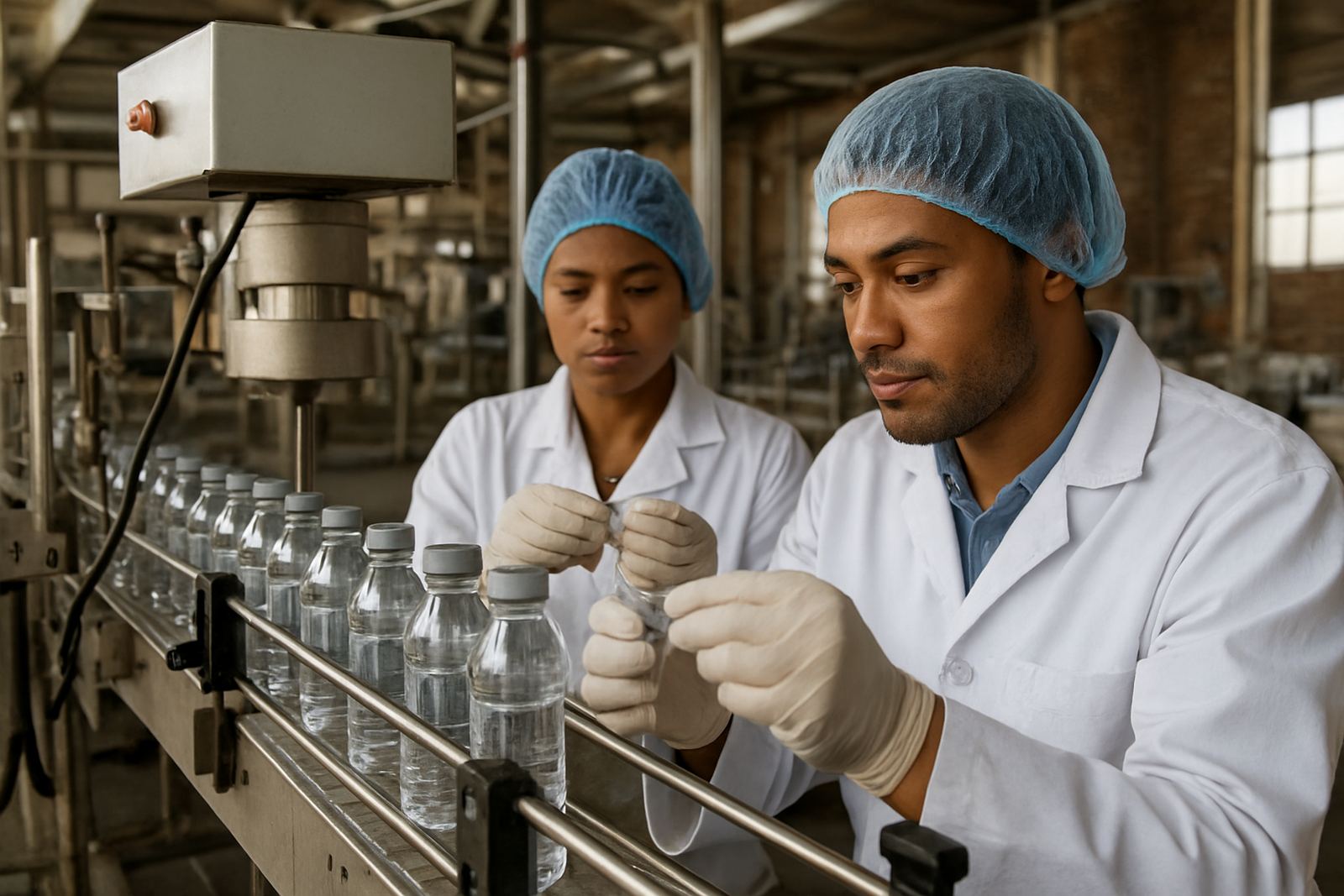
Before sign-off we checked seal integrity on multiple bottle samples, adjusted head height and dwell effect, and confirmed the line speed matched the cap and liner combination. The final setting gave a neat foil bond with no obvious scorching, no loose liners and no cap damage. Small settings matter here, and that’s where the job either works or it does not.
- Induction sealing head fitted into existing conveyor run
- Matched foil liners for HDPE chemical bottles
- Control and setting checks for line speed and bottle presentation
- Starter spares supplied for early production
Timeline From Install To First Production
The full project ran over three weeks from site assessment to operational handover. Week one covered the brief, sample review and liner selection. Week two was the physical installation and alignment on site. Week three was commissioning, seal validation and operator training. That pace kept the customer moving without dragging the job out.
Our commissioning technician stayed with the line long enough to make sure the team could run it properly after we left. We tested start-up, mid-shift adjustments and re-starts after stoppages, which is where sealing issues often show up. A brief power interruption in the pack area highlighted why stable settings and correct warm-up procedure matter, and the line recovered well once reset.
- Week 1: assessment and liner matching
- Week 2: install and mechanical alignment
- Week 3: commissioning, validation and training
Results After Handover
Once the line was running, the customer saw a much more consistent seal across the full shift. The wider caps sealed cleanly and the rejected units dropped because the bond was more even. The team also found the pack room easier to manage because the settings were clear and repeatable, so operators were not guessing after every stoppage.
For a chemical packer, that consistency is worth more than a fancy spec sheet. It reduces leak risk, helps with warehouse handling, and gives better control when product is moving from Jacobs or Durban supply routes through to inland customers. The final outcome was a practical one: a line that could keep up with production and protect the pack.
- More even seal quality across the shift
- Fewer rejects linked to liner misalignment
- Better operator confidence after training
- Improved control during restart conditions
What We Would Do Again On A Similar Job
We would follow the same approach again: inspect the bottle and cap samples first, match the foil liner to the container properly, then commission the equipment against the real line speed. That sequence saves time and avoids the common mistake of fitting sealing gear and hoping it will suit later. It seldom does.
For chemical packaging, we would also keep preventive maintenance on a short interval and review the seal during routine line checks. In hot weather or in a plant with dust, small changes in presentation can creep in. A quick monthly check on the head alignment and liner stock can prevent a bigger stoppage later on, and that keeps the operation steady.
- Check container samples before installation
- Match liner grade to cap size and bottle finish
- Validate seals at real running speed
- Keep spare liners and basic parts on hand
Key facts
| Project location | Newcastle, KwaZulu-Natal |
|---|---|
| Client type | Chemical packer |
| Container type | HDPE chemical bottles |
| Cap size | Wider screw caps |
| Timeline | 3 weeks |
| Scope | Site installation, commissioning, seal validation, operator training |