Pharma line brief in Jacobs, Durban
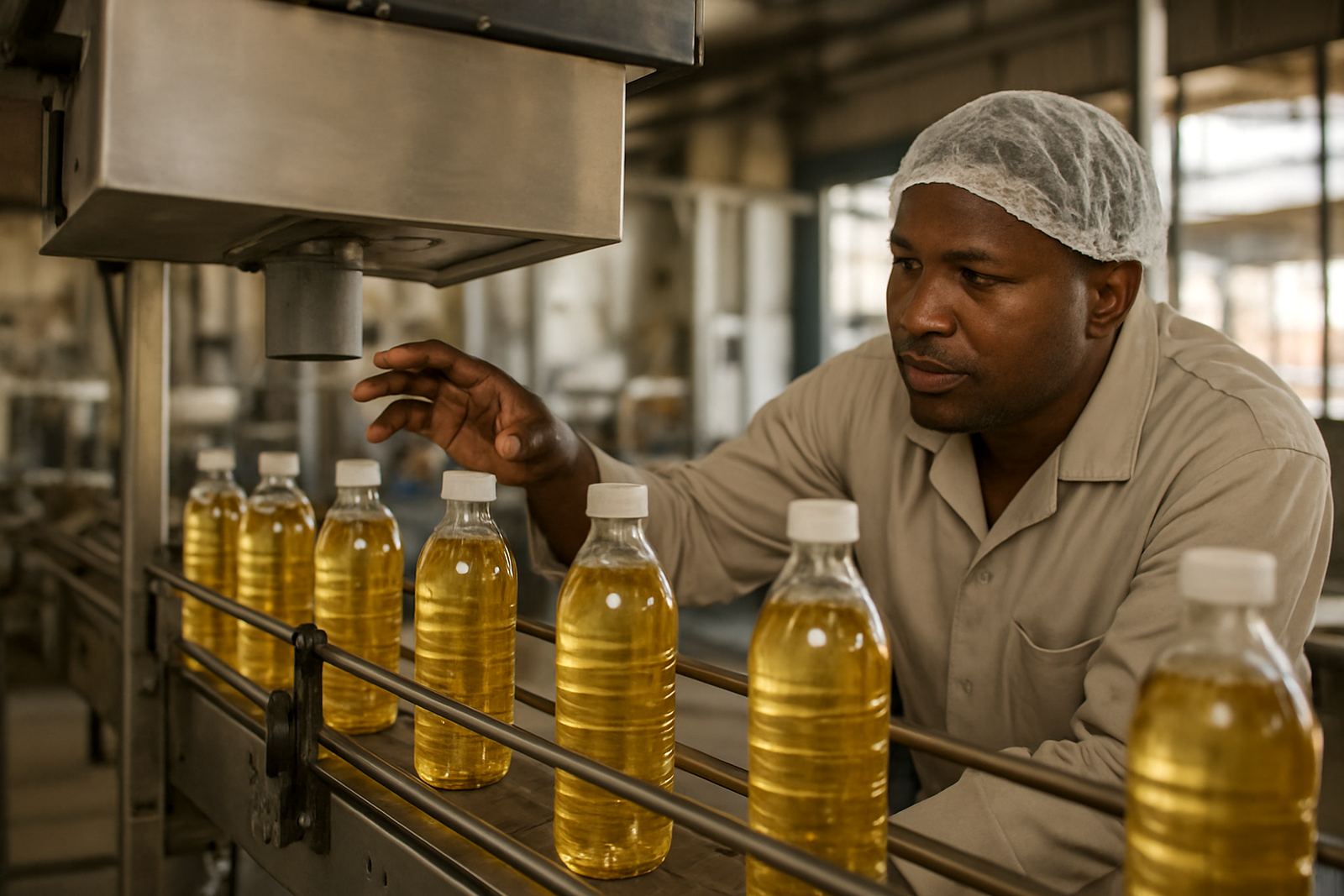
The client was a pharmaceutical packer in Jacobs running a tablet bottle filling and capping line with steady weekday output and strict quality checks. Their main concern was seal integrity after capping, especially for bottles moving through handling, storage and dispatch in the Durban heat and humidity.
The brief was to add induction sealing to the line without slowing production or creating extra handling steps. They needed a system that would work with a mixed bottle range, suit food and pharma style packaging controls, and be simple enough for operators to manage after training.
What the line needed to cope with
Like many South African production sites, the bottle line had to deal with load-shedding risk, occasional aircon downtime, and the usual pressure to keep changeovers short. The site also needed a sealing setup that would stay dependable even when bottles arrived with slight height variation or liner placement differences.
- Tablet bottles in HDPE with foil liners
- Neck finish suited to screw caps and tamper control
- Throughput matched to an existing fill and cap line
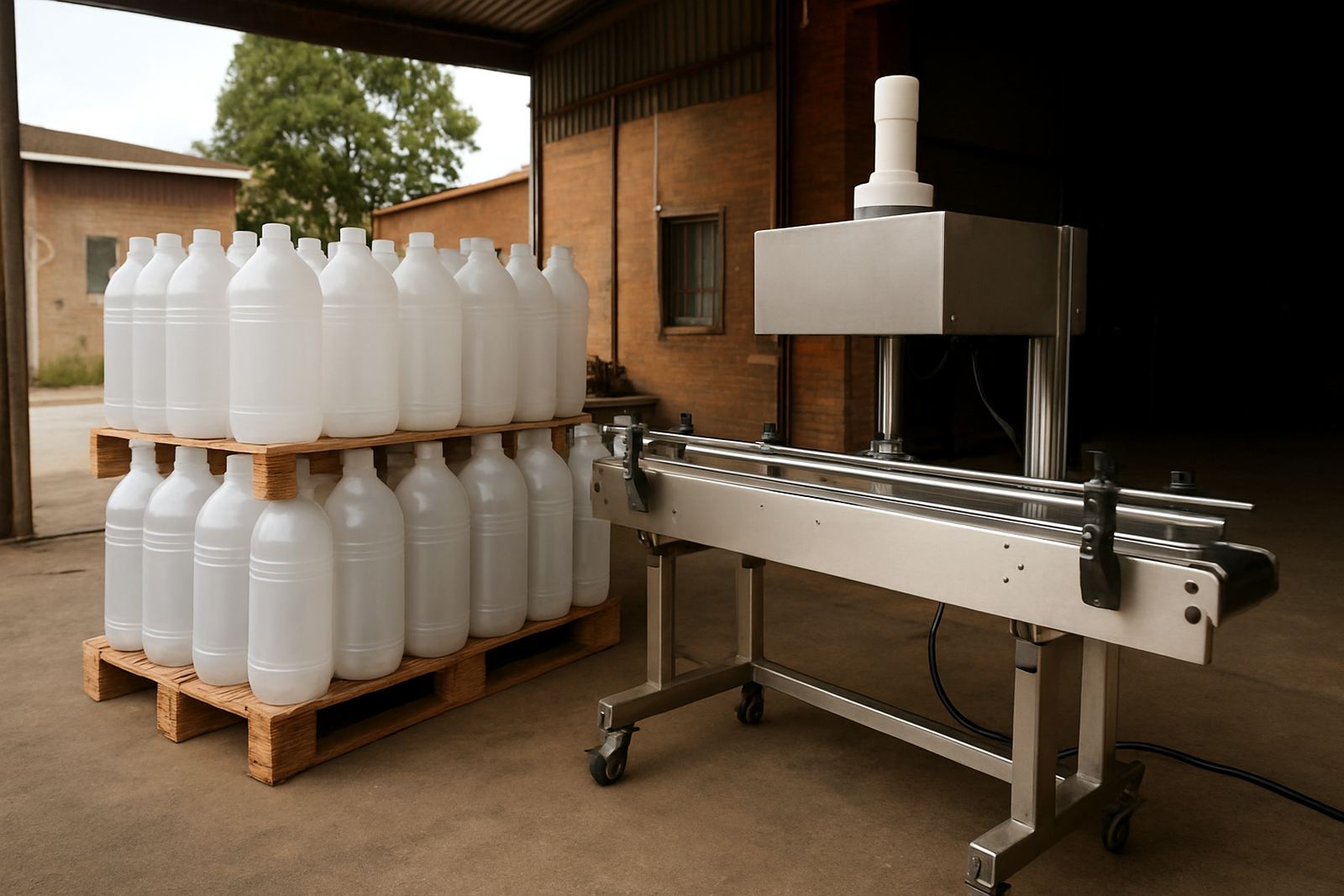
- Clean installation footprint for a busy Jacobs packing floor
- Practical operation during power interruptions and start-stop runs
There was no room for a complicated process. The line had to keep moving, and the seal had to hold every time. That was the main requirement, simple but unforgiving.
Our supply and installation scope
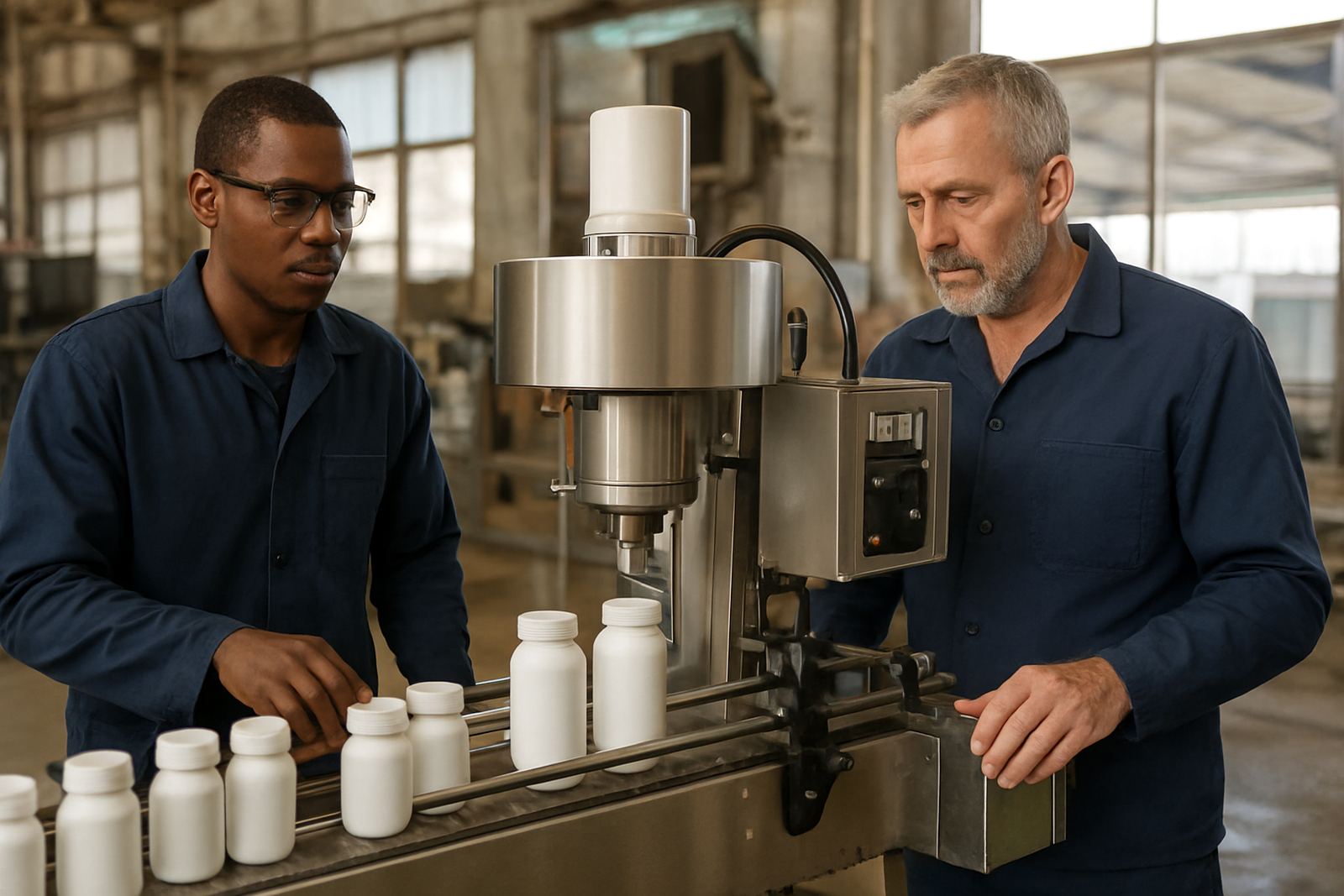
We supplied an induction cap sealing unit set up for the bottle size range and line speed on site, together with matching foil liners for the container specification. Our team handled positioning, integration, and basic line adjustments so the capper and sealer worked in sequence without unnecessary manual intervention.
The installation included product testing across a few bottle formats, setting the sealing head height, confirming dwell time, and checking liner seating after capping. We also verified that the seal performance remained consistent at normal running speed, not just during a slow test pass.
- Induction sealing head matched to the bottle line output
- Foil liner matching for the approved bottle and cap combination
- On-site set-up and line commissioning
- Seal validation checks during the first production run
- Basic operator handover for shift use
Commissioning and training over two weeks
The work ran over 2 weeks from site assessment to final handover. Week one covered line review, equipment placement and the first commissioning run. Week two focused on operator training, seal checks under normal production pace, and a few fine adjustments after the team had run the line on their own.
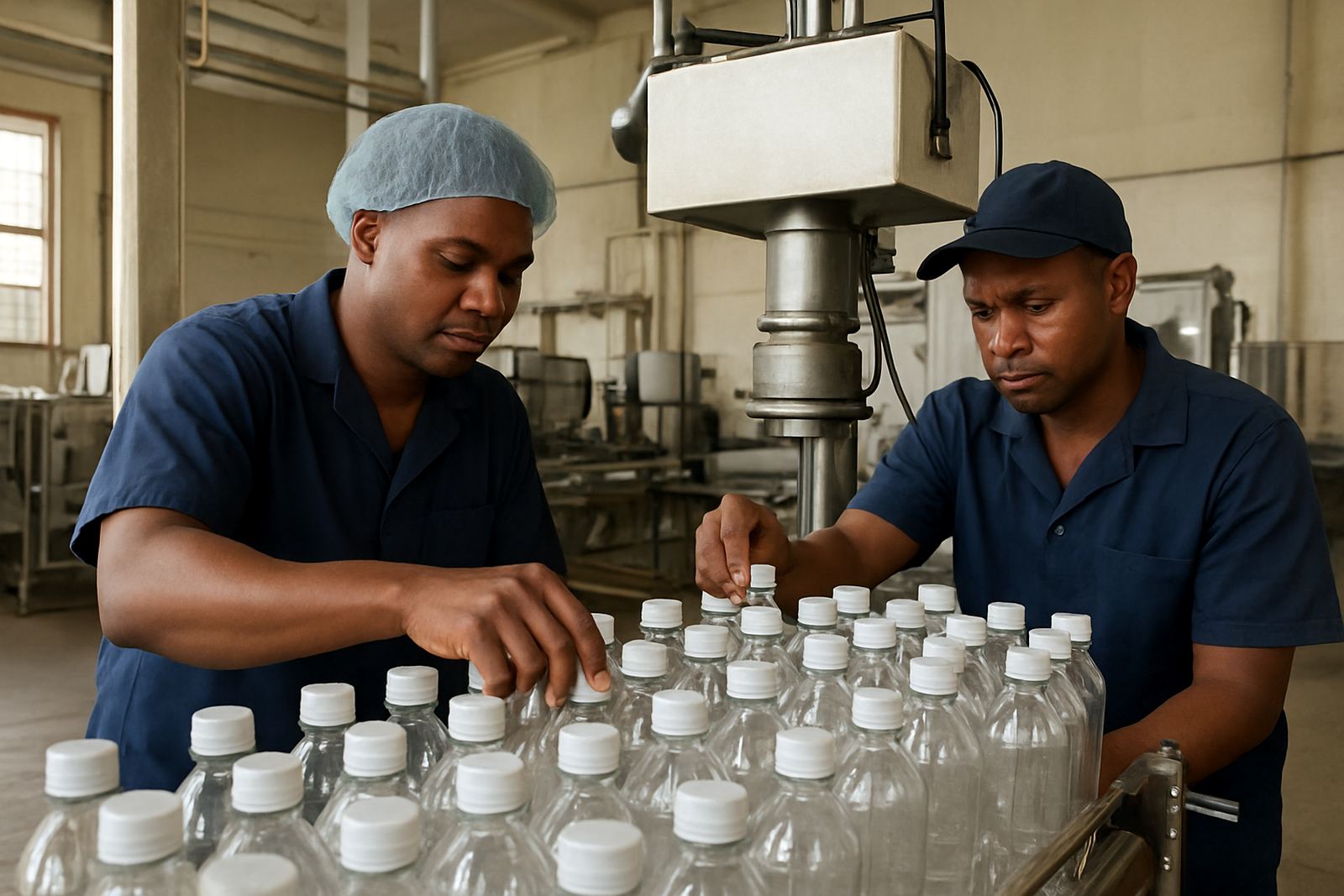
Training was kept practical. Operators were shown how to spot liner issues, how to react if bottles stopped feeding cleanly, and what to check if a seal looked inconsistent. We kept the instructions short because that is what sticks when production is busy and the supervisor is trying to keep batches on schedule.
The client needed confidence from the start, not a theory session. So we worked through real bottles, real caps, and the normal day shift routine. That made the handover much smoother, and the team picked it up quickly.
Results on the packaging floor
Once the system was in place, the packer had a more secure bottle closure and better control over product integrity before cartons left Jacobs for distribution. The team reported fewer sealing concerns, clearer checks at end of line, and a simpler routine for operators on each shift.
- More consistent induction seals across the bottle range
- Improved pack security for tablet stock during handling
- Less rework tied to liner and cap issues
- Operators able to manage the process after training
- Better confidence for dispatch and QC sign-off
For a pharma line, the benefit is not just the seal itself. It is the way the whole line settles down once sealing becomes a controlled step instead of a point of uncertainty. That saves time and reduces stress for the floor team.
What we would repeat on a similar project
If we were doing this again for another tablet bottle line, we would still start with bottle samples, cap samples and a proper look at the real running speed before final set-up. That saves time later and avoids guesswork around foil matching and head settings.
We would also keep the operator training on the line, in the shift environment, rather than moving it to a meeting room. On a busy site in Durban, practical training works better because the team sees the exact bottle flow, stop-start pattern, and the checks they will repeat every day.
For sites in Jacobs, Pinetown, Prospecton, Pietermaritzburg or Richards Bay, the same approach holds up well: assess, install, validate, train, then stay available for support. It is a practical way to introduce sealing without complicating production.
Key facts
| Project location | Jacobs, Durban |
|---|---|
| Client type | Pharmaceutical packer |
| Line type | Tablet bottle filling and capping line |
| Added process | Induction cap sealing with foil liners |
| Timeline | 2 weeks from assessment to handover |
| Included training | Operator training on site |
| Support | Remote support and breakdown assistance available |
| Service area | Durban, Pinetown, Prospecton, Pietermaritzburg and Richards Bay |