What Our Spares Supply Covers
Our spares supply service covers the parts most commonly needed on supported induction cap sealing systems, from routine wear items to critical replacements that must match the original sealing setup. We work with production lines in Durban, Pinetown, Prospecton, Pietermaritzburg and Richards Bay, as well as sites further afield that need parts sent quickly and fitted correctly.
For packers running extended shifts, the right spare on hand can prevent a full line stop. We help identify the item, confirm the seal head size, check the cap and liner format, and supply the part that suits your product and line speed. That matters on sites dealing with moisture, dust, frequent wash-downs and load shedding, where equipment gets pushed harder than ideal.
- Replacement induction coils for matched sealing heads
- Change parts for cap sealing and conveyor transfer points
- Service items such as wear parts, fittings and support components
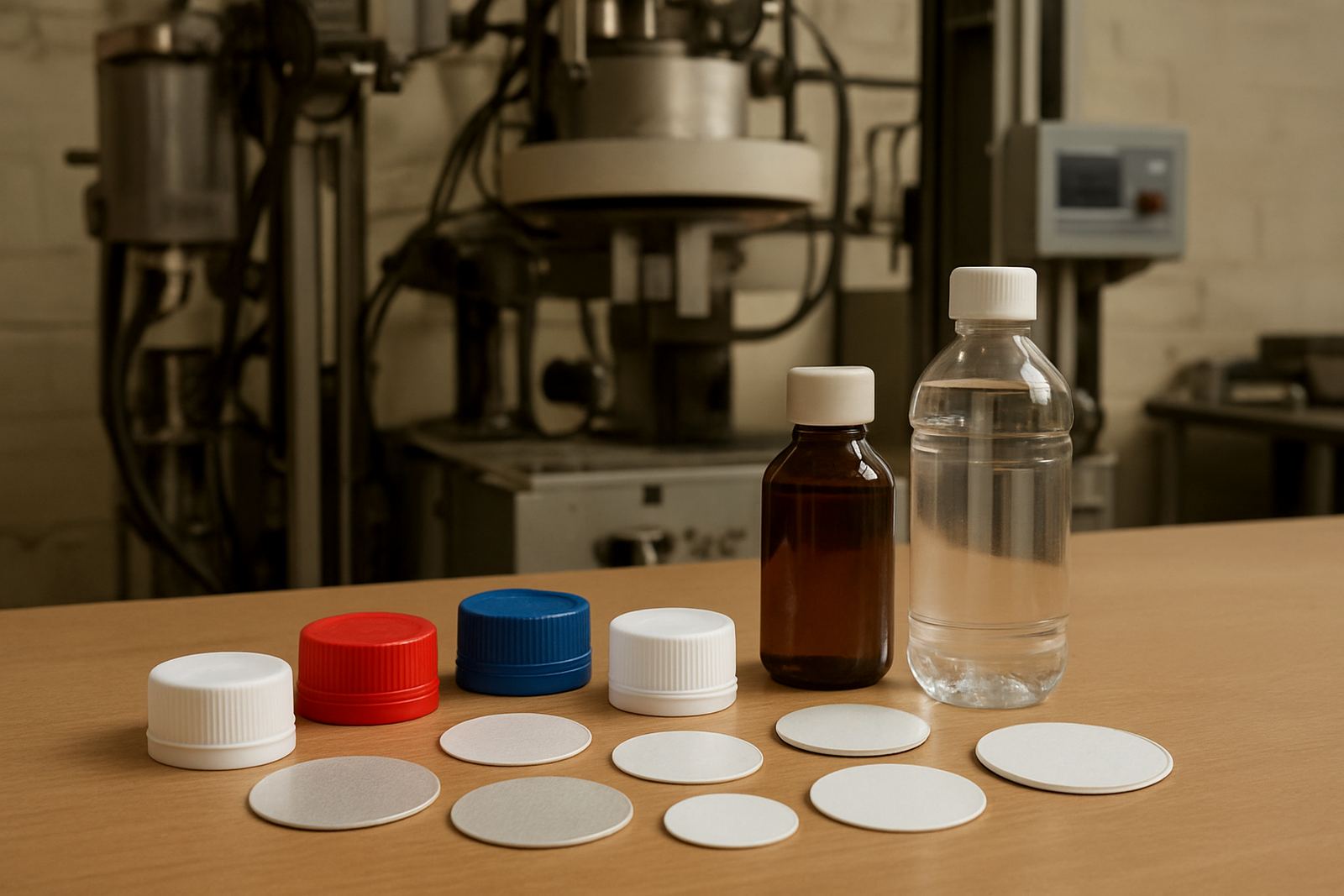
- Liners and matching consumables for supported closure types
- Parts for maintenance, breakdown recovery and planned shutdowns
How We Match the Right Part to Your Line
We do not just quote a part number and hope for the best. Our team checks the machine model, head size, container neck finish, cap type, liner format, operating speed and whether the line runs in dry factory conditions or in a hot humid area like coastal Durban. This reduces the chance of ordering the wrong coil or a change part that does not sit correctly in the line.
For many customers, the first step is a photo set and a short description of the fault. If needed, we ask for a sample cap, the liner specification, the container dimensions and a photo of the serial plate. Where there is uncertainty, Jared and the technical team will guide the identification before anything is supplied. A small mistake at this stage can cost a shift, so we take the time to get it right.
- Machine identification and serial confirmation
- Seal head and coil size check
- Cap, liner and container matching
- Assessment of wear, burn marks or heat damage
- Confirmation of whether the item is urgent or planned stock
Typical Turnaround and Dispatch Times
Turnaround depends on stock status, part type and where the line is located. Common spares held locally in Jacobs can often be dispatched quickly, while special-fit parts may need to be sourced or prepared to spec. For urgent breakdowns, we prioritise the items that get production moving again first, then close out the rest of the spares list for the site.
Where a customer is within Durban, Pinetown or Prospecton, collection or local delivery may be arranged sooner than a national courier run. For sites in Pietermaritzburg, Richards Bay or farther inland, we plan the dispatch so the part reaches the site with enough time to fit it during the maintenance window. In practical terms, the fastest answer usually comes from having the machine details ready upfront.
- Local stocked items: same day or next working day where possible
- Matched or special-fit items: subject to confirmation and availability
- Courier dispatch: planned to suit shutdown times and shift handover
- Urgent line-down cases: handled as a priority where stock allows
Pricing That Makes Sense for Plant Budgets
Our pricing approach is based on the part type, the level of matching required and whether the item is standard stock or prepared for a specific sealing head. We keep the process straightforward so the production manager, maintenance team and accounts staff know what is being supplied and why. You receive clear item detail before any order is confirmed.
For a plant with regular maintenance needs, we can help build a sensible spares list around the line duty cycle and the expected wear points. That often works out better than buying parts one by one after a failure. On lines running 2 or 3 shifts, the cost of a spare coil or change part is usually lower than the cost of a stoppage, especially when product can not be held back for long.
We can also quote for a basic stock pack, a shutdown pack or a maintenance list tied to your site inspection schedule. That makes budgeting easier and helps avoid repeat emergency orders.
Maintenance Intervals and Spare Planning
Good spares planning starts with regular maintenance intervals. On most supported induction sealing systems, coils, guides and related wear parts should be checked during planned service visits and again whenever seal quality drops. Sites close to the coast may need closer attention because humidity and airborne moisture can affect connectors, housings and other exposed items.
As a general guide, we recommend a scheduled check every 3 to 6 months for higher-output lines, with more frequent attention for plants that wash down daily or run corrosive products. If a site is dealing with power interruptions, quick restarts can also expose weak parts sooner than expected. Keeping a spare set of critical items on site often saves time and keeps your filling line in balance.
- Monthly visual checks on seal quality and coil condition
- 3 to 6 monthly inspection of wear items on busy lines
- Shutdown review before seasonal production increases
- Immediate replacement after heat damage, arcing or loose fitment
The Supply Process From Enquiry to Fitment
Our process is simple. Send the machine details, the fault description and any photos through our contact form. Megan and the customer support team will log the request, then Nokuthula and Jared will confirm the correct part path. If the item is available, we move to dispatch. If it needs matching or technical confirmation, we come back with the options and the lead time.
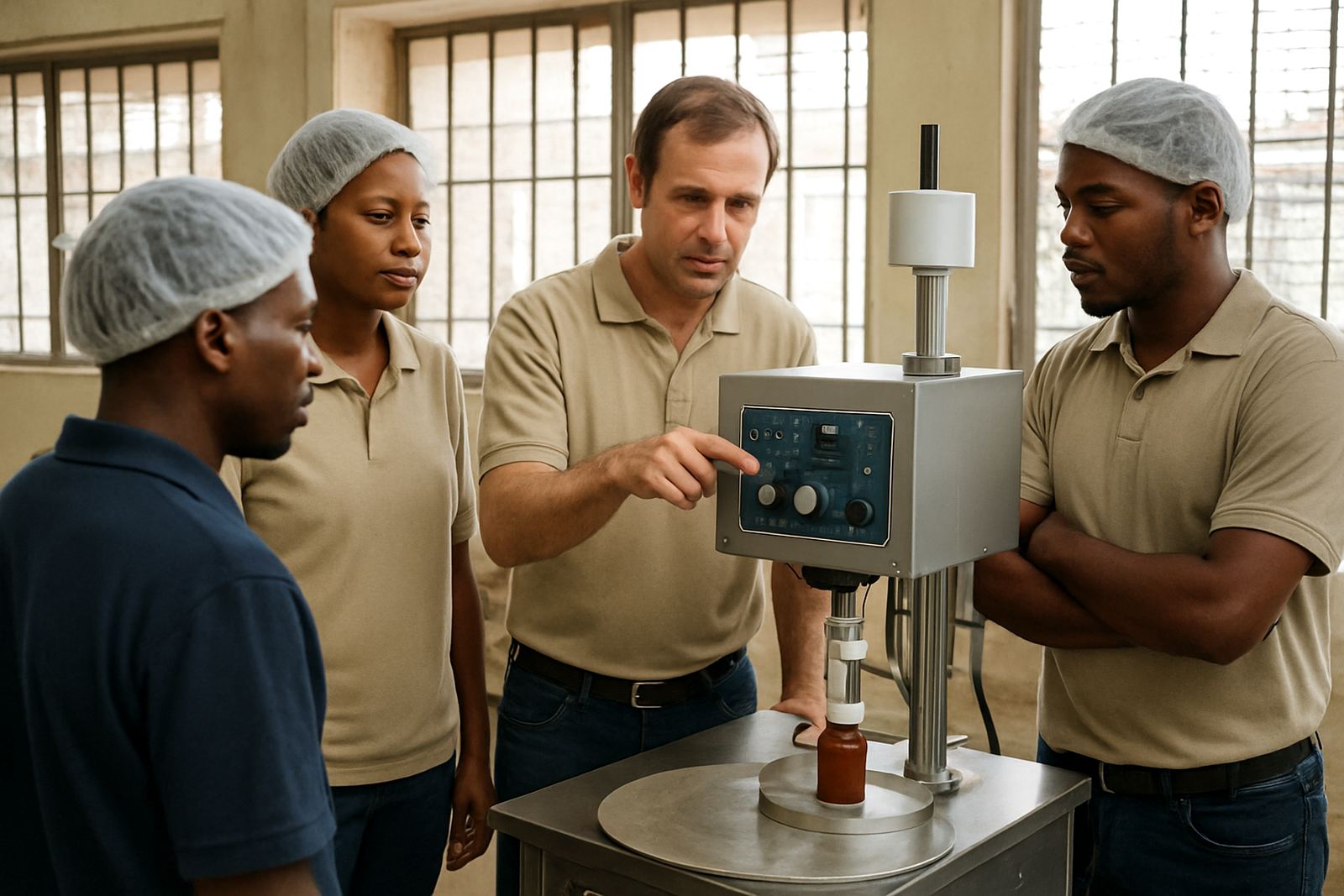
Where required, Themba can assist with site fitment and commissioning support after the part arrives. This is useful when the spare affects seal performance, line alignment or operator setup. We also keep a record of the supplied item so repeat orders are faster next time. For plants with several lines, that record helps avoid confusion between similar but not identical sealing heads.
- Step 1: Send machine details and photos
- Step 2: We confirm the correct spare or replacement item
- Step 3: You receive a clear quote and lead time
- Step 4: Parts are dispatched or fitted on site if needed
- Step 5: We keep the record for easier reordering later
Key facts
| Supported systems | Induction cap sealing systems and related service items |
|---|---|
| Common parts | Replacement coils, change parts, liners, fittings and wear items |
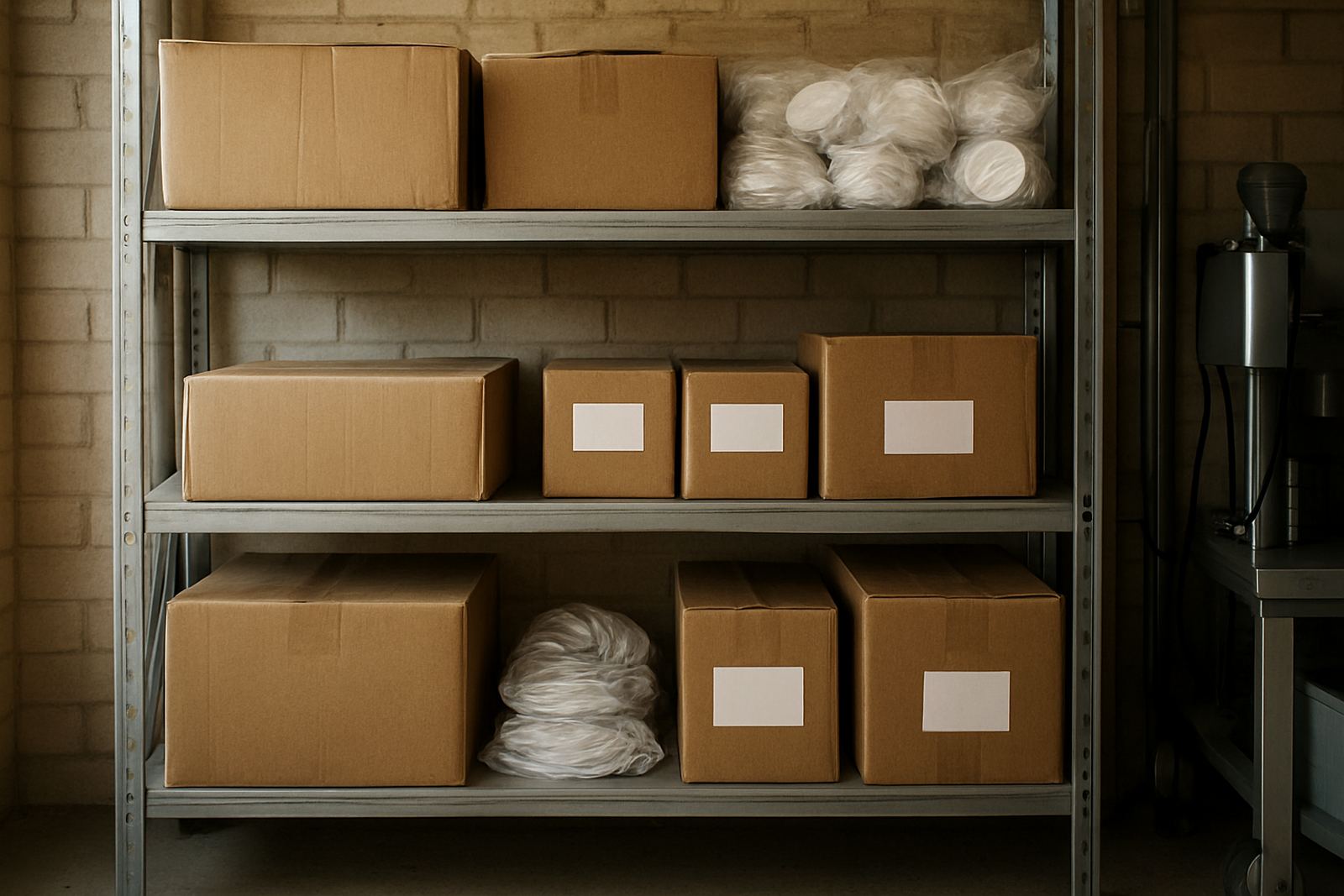
| Typical pack sizes | Single items, shutdown packs or scheduled stock lists |
| Coverage | Jacobs, Durban and nationwide support |
| Lead time | Same day to next working day for many local stocked items |
| Service support | Identification, dispatch, fitment assistance and reordering records |