Why liner matching matters on the filling line
The right liner does more than sit inside the cap. It has to suit the cap material, the bottle neck finish, the product inside and the way the pack moves through your line. A liner that is too thin can give weak seals, while one that is too stiff may not form evenly on a curved shoulder or light-weight container.
We help South African packers choose foil liners that work with induction cap sealers across HDPE, PET, glass and other common pack types. That includes products that are oily, aqueous, acidic, solvent based or moisture sensitive. In Jacobs, Durban we often see issues caused by coastal humidity, warm product fill temperatures and inconsistent cap torque, so the matching step saves time later.
- Cap material checks for PP, PE and other closure types
- Bottle neck finish and seal land review
- Product compatibility assessment for food, pharma and chemical packs
- Line speed and heat profile consideration for induction sealing
What we look at before recommending a liner
Every liner recommendation starts with the pack, not just the cap. We check the seal surface, bottle shape, closure depth and the product handling conditions from filling through to warehousing. If a client runs 500 ml, 1 L or 5 L packs on the same line, the liner choice may need to change between formats, even if the cap looks similar.
Our team also considers the practical side of the plant. If you run during load shedding and restart often, the liner has to tolerate start-stop cycles without giving inconsistent results. For sites near Durban, Pinetown, Prospecton or Richards Bay, humidity and transport delays can affect stock handling, so we look at storage and shelf life too. It sounds simple, but small changes in foil structure can make a big difference.
- Container material and wall thickness
- Cap design, liner pocket depth and closure torque
- Product temperature at filling and cooling
- Required tamper evidence and shelf life target
- Warehouse and transport conditions
How our liner matching process works
We keep the process direct so your production team can make decisions quickly. First we collect pack samples, cap samples and product details. Then we assess the application method and current sealing results if you already have a line running. Where needed, we test a few liner options and compare seal quality under normal operating conditions.
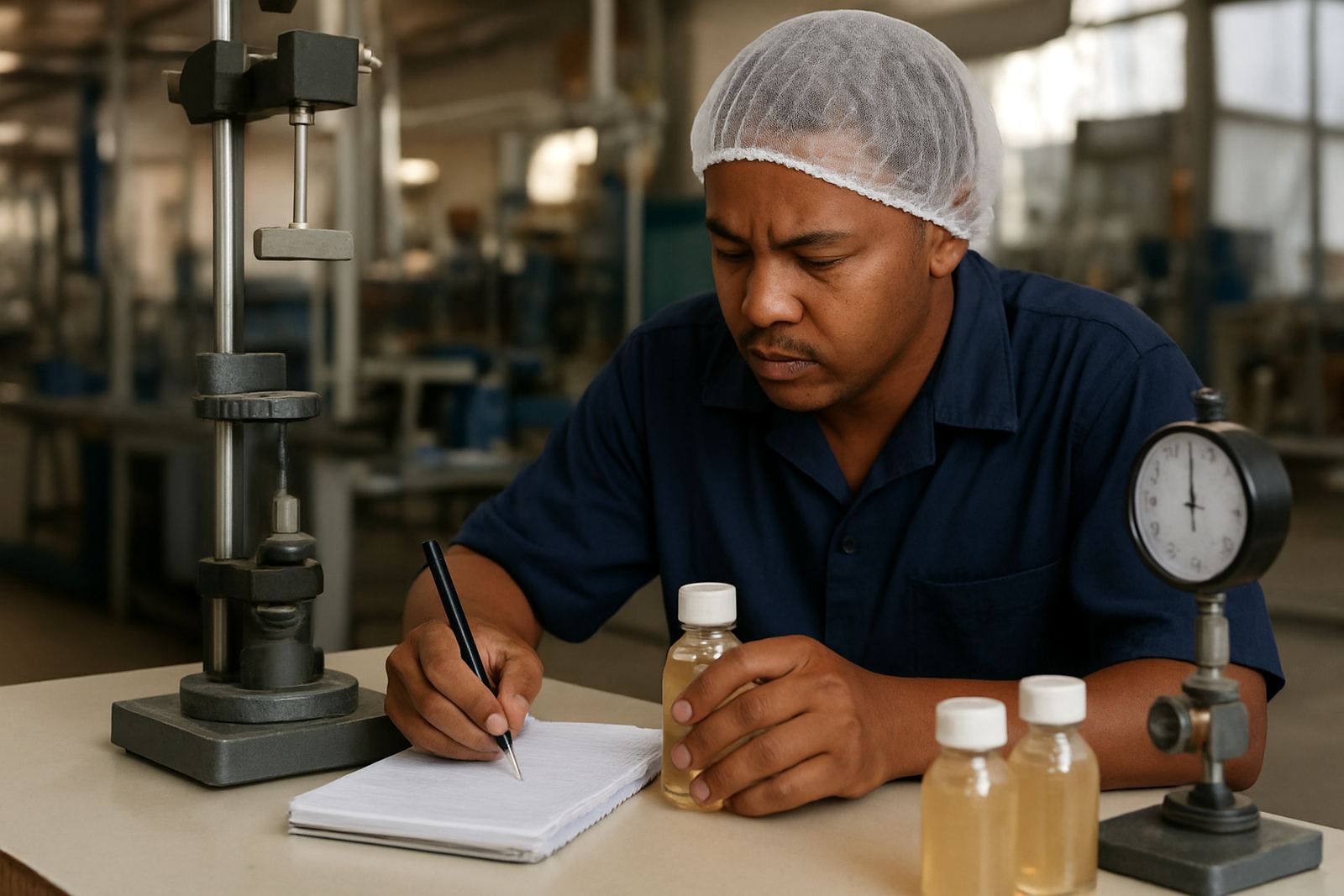
Typical matching work includes laboratory-style checks and on-line trials. We look at seal formation, pull performance, liner release and whether the induction seal bonds evenly across the whole neck. If the pack is for regulated product, we also assist with seal validation records and basic traceability notes. Our tech team can support sites in Durban, Pietermaritzburg and further afield by remote review or an on-site visit.
- Sample assessment and problem definition
- Trial liner selection and compatibility checks
- Line test under actual cap torque and fill conditions
- Review of seal appearance, adhesion and tamper evidence
- Recommendation for final liner grade and fitment
Liner types and specifications we commonly match
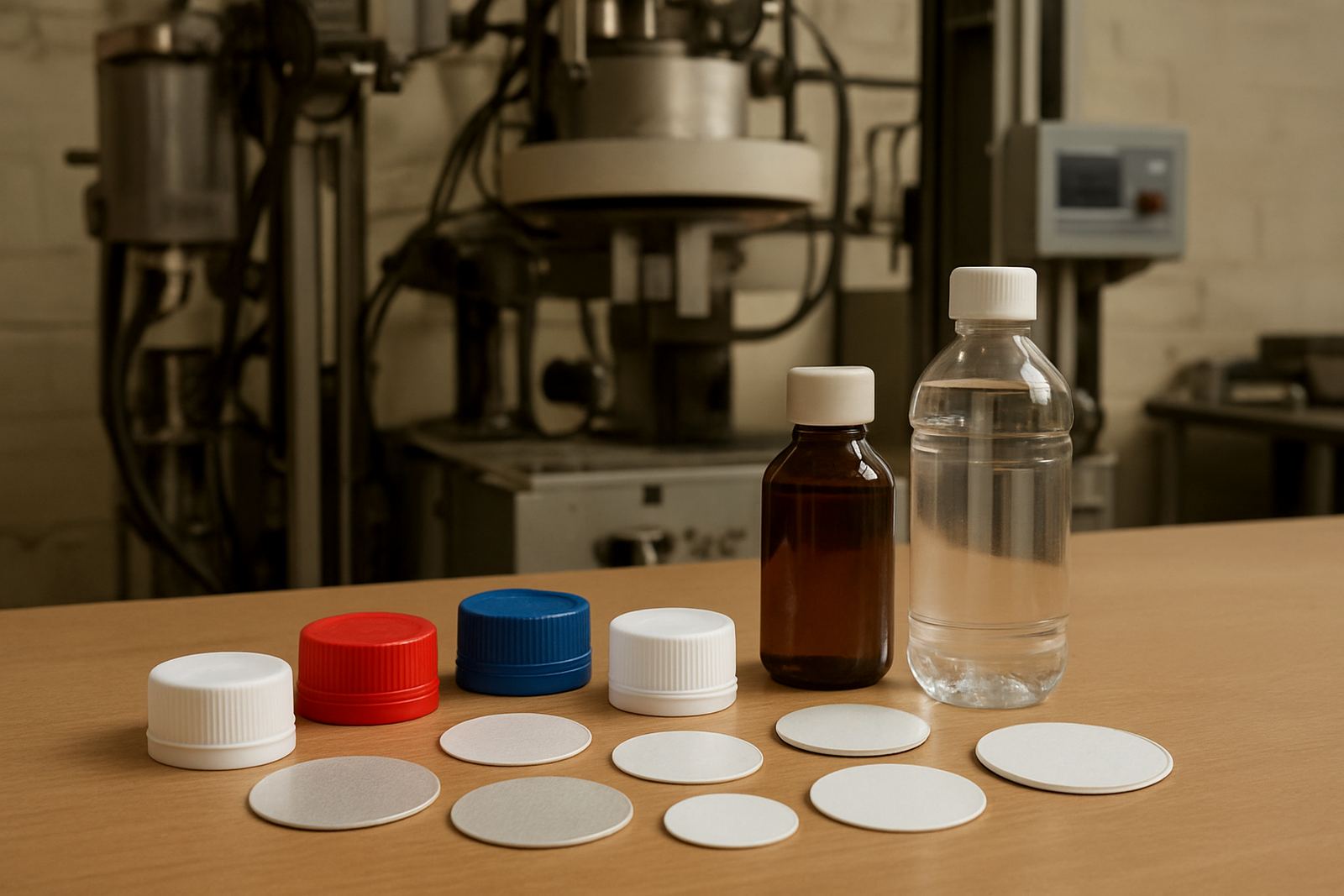
Different packs call for different liner structures. Some products need easy removal with a clean peel, while others need a strong bond for long shelf life and better moisture protection. We match liners for single-use packs, recloseable containers and heavier industrial applications where product security is important.
We work with common liner formats and can advise on thickness, seal layer and backing structure. Depending on your application, the liner may be designed for board-backed construction, foam backing, paper pulp style inserts, or heat-seal foil structures. The main aim is simple: get a seal that closes properly on your bottle and stays there until the customer opens it. No fuss, no waste.
- Foil laminate liners for moisture and tamper protection
- Heat-seal systems for glass, PET and HDPE packs
- Peelable liners for user-friendly opening
- High-barrier options for sensitive products
- Custom size matching for cap diameters from small dosage bottles to large format containers
Turnaround times, pricing and supply planning
Turnaround depends on how quickly we receive samples and the complexity of the pack. For straightforward applications, liner advice can often be issued within a short turnaround once we have the container, cap and product details. More complex packs or multi-format lines may need on-site testing and a second review before a final recommendation is made.
Our pricing approach is practical. We quote based on the amount of testing, the number of pack sizes involved and whether commissioning support or site attendance is required. If you only need a recommendation for an existing line, the cost is usually lower than a full test programme. For larger plants in Jacobs, Prospecton or Richards Bay, we can also plan matching around scheduled maintenance to avoid disrupting production.
- Fast advice for standard cap and bottle combinations
- Trial-based matching for new products and difficult packs
- On-site support quoted separately where needed
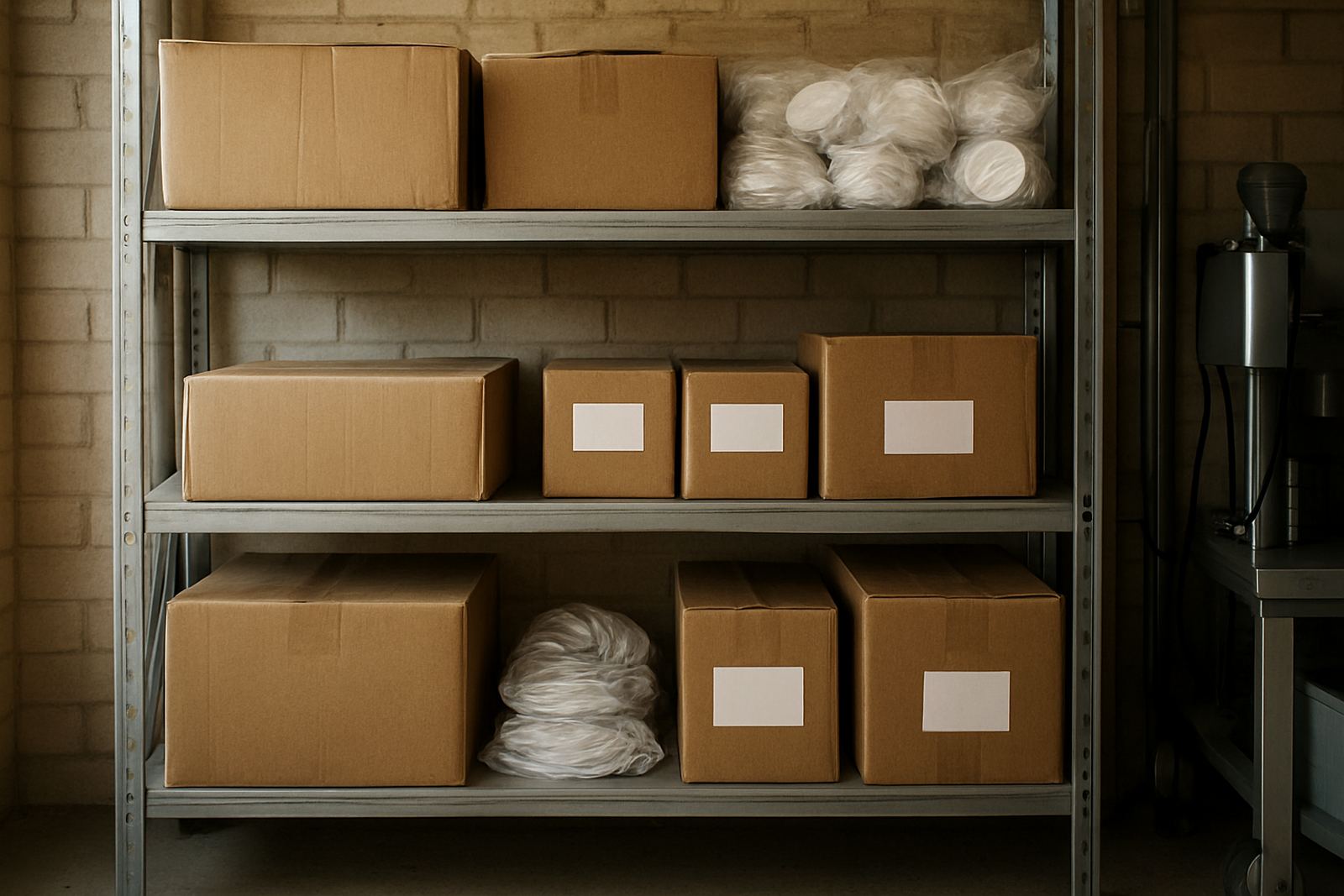
- Bulk liner supply can be planned against usage and lead time
Maintenance checks that keep seals consistent
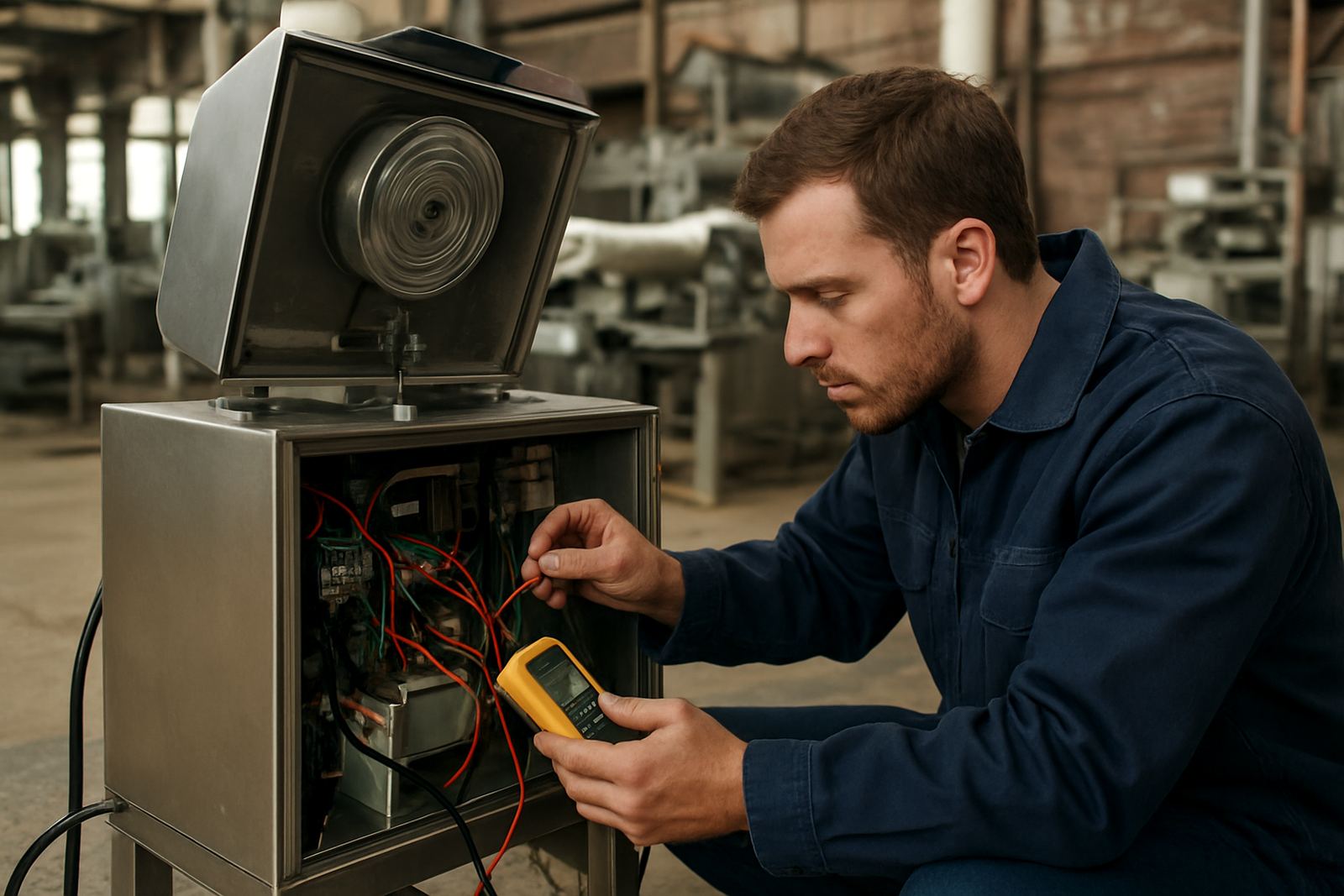
Liner matching should not stop after the first run. Caps, bottles and products change over time, and so does sealing performance if the machine is not kept in shape. We usually recommend routine checks at set intervals, especially where production runs daily or the plant works in humid coastal conditions.
A good maintenance schedule includes weekly visual checks on seal quality, monthly review of cap feed and liner stock condition, and quarterly inspection of sealing head alignment and conveyor consistency. If your line is exposed to dust, heat or frequent power interruptions, those intervals may need to be tightened. We can help set a plan that fits your operation and spare parts holding, rather than a one-size-fits-all routine.
- Weekly checks on seal ring appearance and tamper evidence
- Monthly review of liner stock, cap torque and pack handling
- Quarterly inspection of induction head setup and machine settings
- Extra checks after product changeovers or repairs
Key facts
| Service | Liner matching for foil liners and cap seals |
|---|---|
| Main pack types | HDPE, PET, glass and other common container materials |
| Industries | Pharmaceutical, food and chemical |
| Typical cap sizes | From small dosage packs to large format closures |
| Support area | Jacobs, Durban, Pinetown, Prospecton, Pietermaritzburg, Richards Bay and nationwide |
| Contact | Our contact form |