Installation that fits your line, not the other way around
Site installation starts with the line in front of us. We look at bottle size range, cap type, conveyor height, infeed and outfeed spacing, line speed, and whether the sealer must sit on a new line or be fitted into an older filling and capping setup. In Durban and along the coast, we also consider humidity, washdown exposure, and corrosion around mounting points and electrics. That matters more than people think.
Our team installs induction sealing units for pharmaceutical, food, chemical and related packing lines. Typical applications include HDPE, PET and glass containers with foil liners for tamper evidence and product protection. We work with single-lane and multi-lane conveyors, manual lines, and semi-automatic packing tables where the cap seal head must be positioned tightly and kept stable during run time.
Every site is different, so the installation is planned around your equipment and your production schedule. If the line runs in shifts we can plan work for after hours or over a weekend, and where municipal or site rules require permit control we work within those conditions. The aim is simple: fit the sealer cleanly, wire it safely, and get the line back into production with no guesswork.
What is included in a site installation
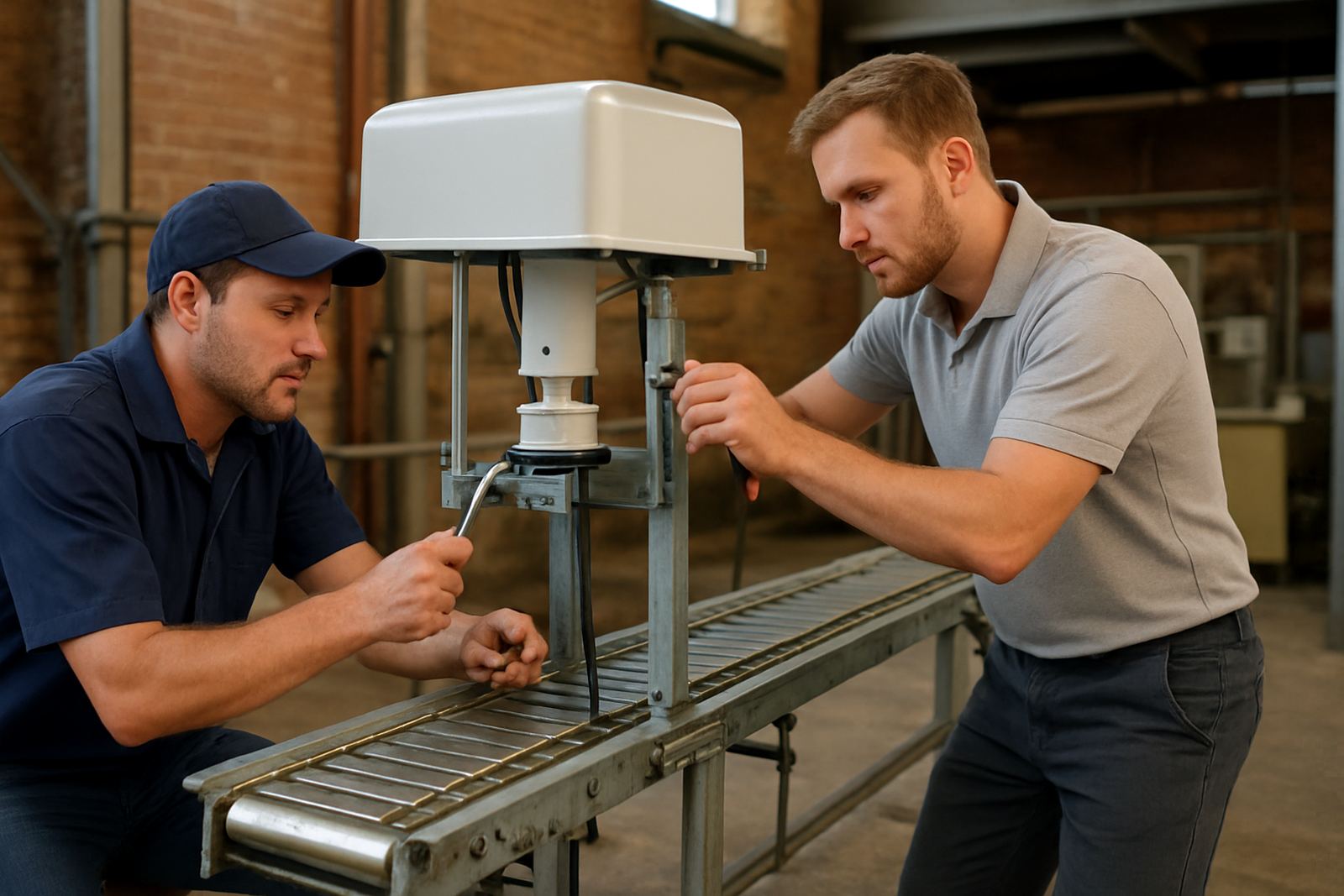
Our site installation service covers the practical work needed to get the unit operating correctly and safely. That includes positioning, fixing, power connection, line alignment and a first round of functional testing. We also check the bottle path so the sealing head sits where it should, and not where it only just happens to fit.
- Mechanical positioning and mounting of the induction sealer head and control unit
- Electrical connection to the approved supply point and isolation device
- Conveyor height, guide rail and product flow checks
- Basic setting of sealing head height, distance and pass speed
- Start-up tests with your container and liner combination
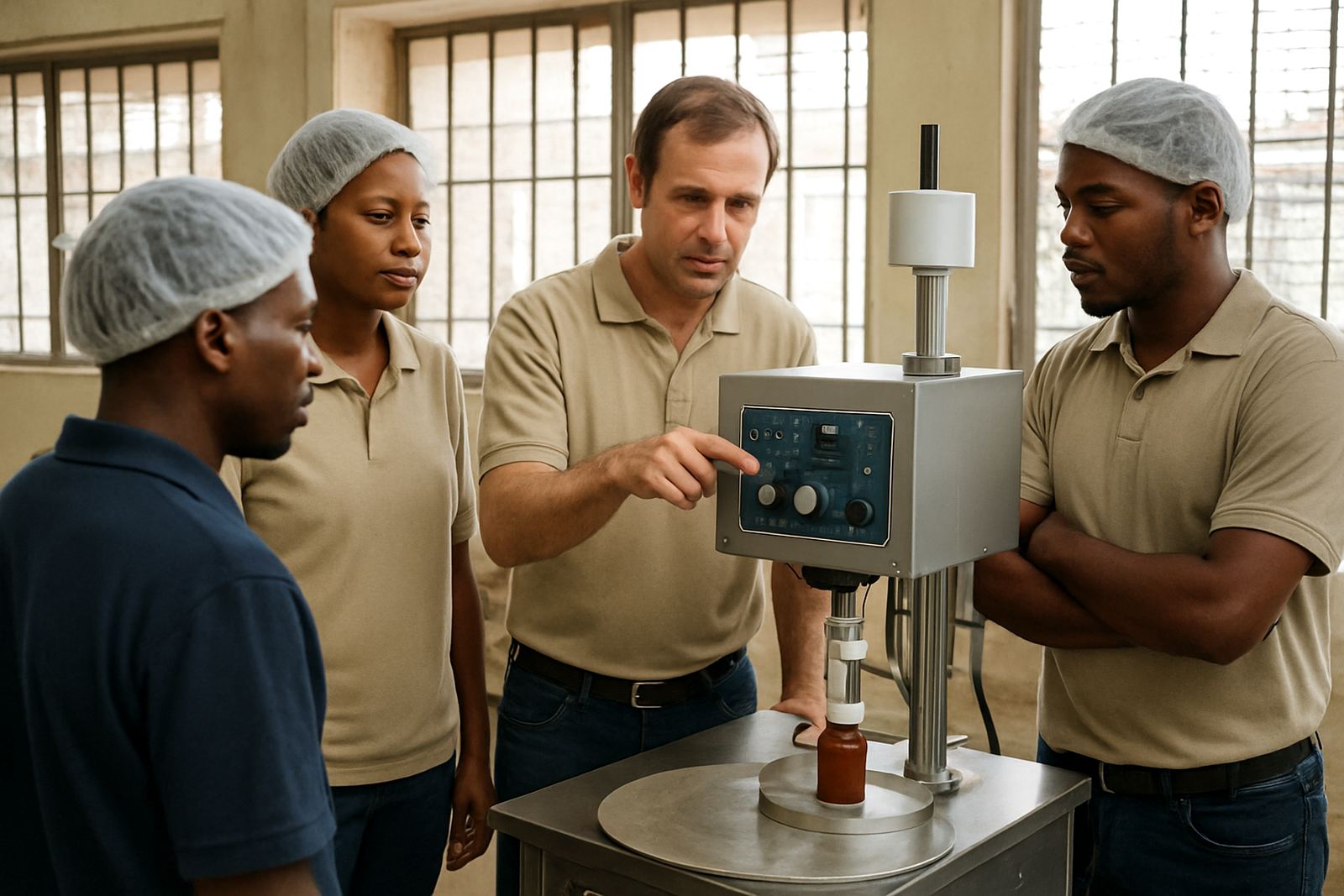
- Operator handover and basic safety briefing
- Issue list for any line changes needed before full commissioning
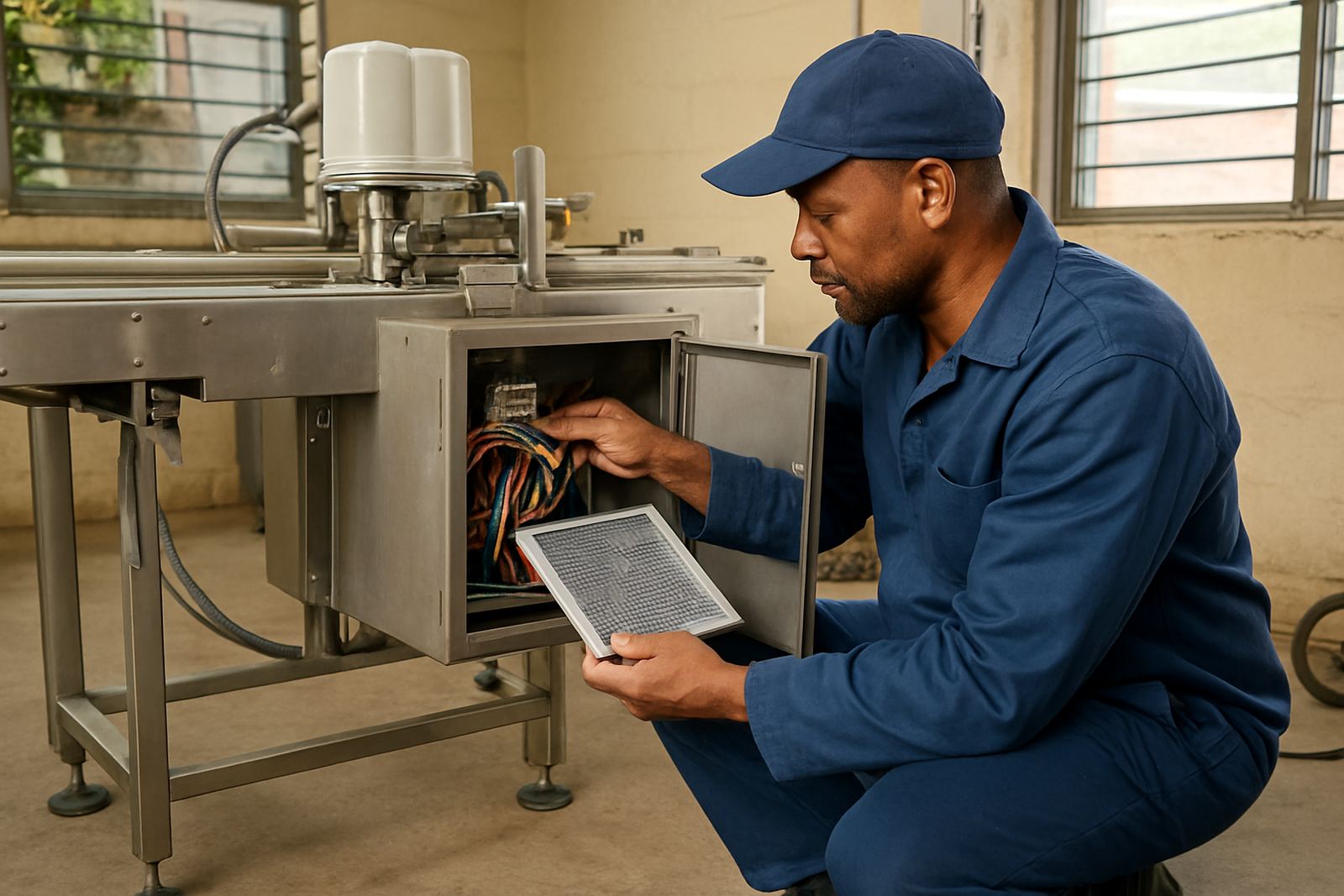
If the line needs extra brackets, guarding adjustments, cable routing changes or better access for cleaning, we flag that early. We also check for practical issues such as unstable tables, poor earthing, or power points sitting too far from the sealer. On some older sites, a small layout change saves hours of trouble later.
How we manage the installation process
The process is straightforward. First, we ask for line details such as container dimensions, cap style, target speed, available power, and a few photos of the packing area. If needed, we arrange a site visit before the install date. That lets us plan brackets, cable lengths and the right head position before anyone starts moving machinery around.
On the day, we isolate the work area, place the equipment, connect the power and align the sealing head to the line. We then run trial containers through at working speed and check seal quality, cap fit and conveyor stability. If your line is in Jacobs, Pinetown, Prospecton, Pietermaritzburg or Richards Bay, we can schedule the site call with less travel delay. For other provinces, we coordinate in blocks so downtime stays predictable.
- Pre-install review and equipment check
- Site setup, mounting and electrical connection
- Trial runs, seal checks and adjustments
- Operator briefing and handover notes
- Optional remote support after handover
We keep the process practical because production time is costly. Where the line is under pressure, we focus on the essentials first and complete non critical improvements later. That keeps the plant moving while still putting the sealer in the right place.
Typical turnaround for Durban and nationwide sites
Turnaround depends on how ready the line is when we arrive. A prepared site with the correct power point, clear access and known bottle specifications can often be completed in a single visit, with testing and handover done the same day. If the site needs mechanical changes, extra cabling, or line rework, we plan for a second visit so the final result is proper rather than rushed.
For Durban and nearby industrial areas such as Jacobs, Pinetown and Prospecton, travel is usually quick and installations can often be slotted into short windows between production runs. For inland and coastal sites further away, we schedule the work around stock arrival, line shutdowns and operator availability. We do not push a one-size-fits-all timeline because the real factor is whether the line is ready.
Where production cannot stop for long, we can split the work into stages. Mechanical placement one day, electrical finalisation and testing the next, then operator training once the line is stable. That approach suits busy plants and avoids long stoppages, which is usually the bigger cost.
Pricing based on line complexity and access
Pricing is quoted after we understand the installation scope. A simple retrofit on an open line costs less than a full setup on a crowded floor with conveyor changes, extra safety guarding and extended cable runs. We price according to the equipment type, site access, travel, support level and whether the job includes commissioning or only installation.
For budget planning, most customers want to know what moves the number. The main drivers are line length, the number of integration points, whether power changes are needed, and how much downtime the plant can spare. If a site needs urgent attendance because a new line must go live or a broken unit must be replaced, that urgency is reflected in the quote.
We keep the costing clear so you can compare options properly. If you already have the conveyor, capping machine and supply points in place, we can usually keep the installation efficient. If not, we will tell you what needs to change before you sign off. No one benefits from a cheap start that turns into expensive rework later.
Keeping the sealer in good condition after fitment
Once the unit is installed, the next step is to keep it stable. We recommend a regular check at line intervals that suit the plant, especially where there is dust, washdown, heat or coastal moisture. In many factories a monthly operator inspection and a 3 to 6 monthly maintenance visit is enough, while high duty lines may need shorter intervals.
- Daily: check for abnormal noise, loose cables and stable bottle flow
- Weekly: inspect head position, guards and visible wear points
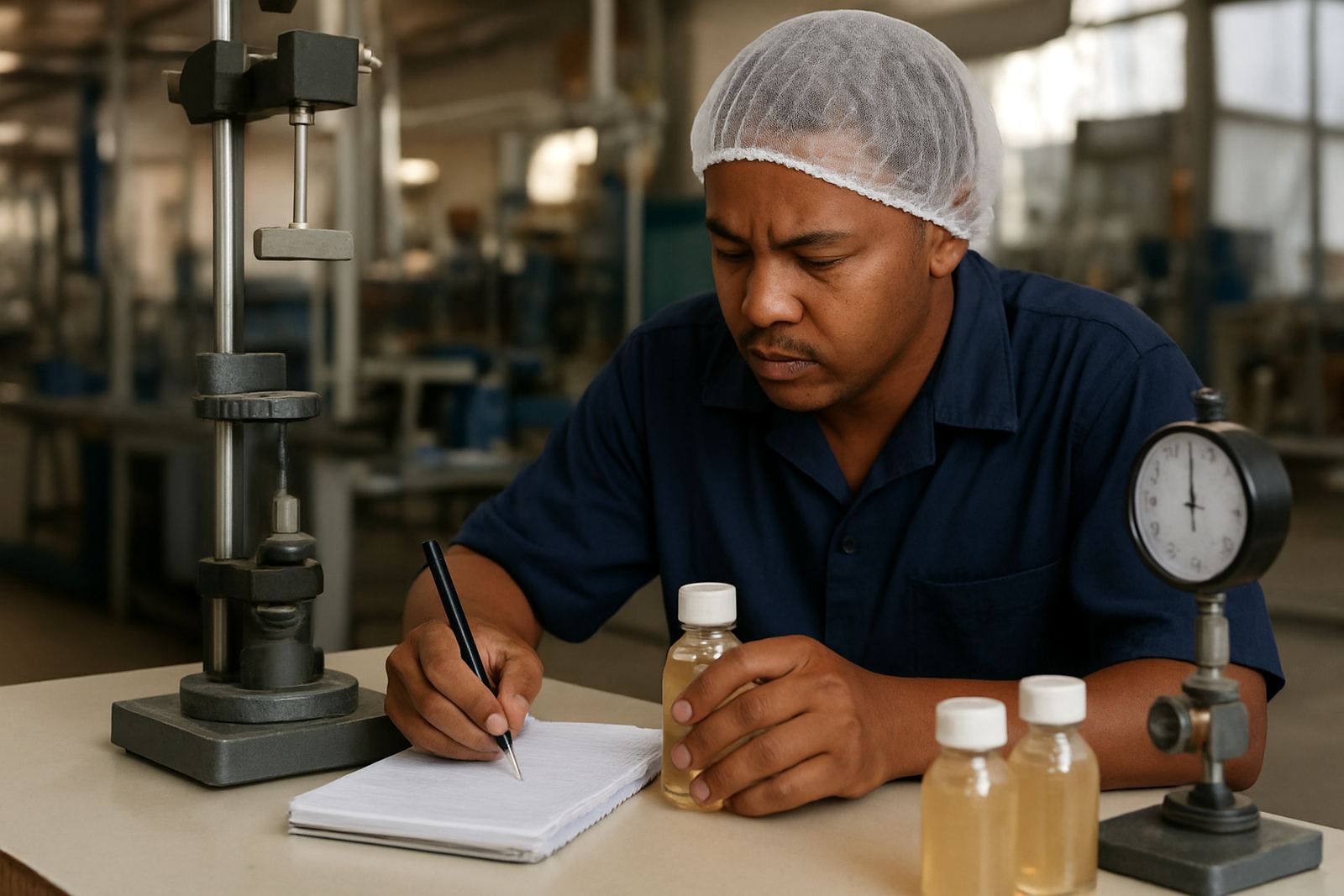
- Monthly: verify seal quality on actual production stock
- Quarterly or six-monthly: electrical and mechanical inspection, alignment and cleaning review
Load-shedding and voltage swings can also affect line stability, so we look at power quality during installation where needed. If your site has generator changeover or inverter-backed supply, we make sure the sealer is installed with that reality in mind. A properly fitted unit should not drift out of position every time production stops and starts, and that saves a lot of callouts.
Support from Jacobs to plants across South Africa
Our Jacobs base gives us quick access to Durban and the surrounding industrial corridor, but site installation work is not limited to the local area. We support packing lines nationwide and can coordinate installation with training, liner matching, seal validation and follow-up maintenance. For plants with more than one line, we can stage the work so one line stays running while another is being set up.
You can also expect proper handover from people who know the equipment and the realities of a South African production floor. If something on site needs a small adjustment after the install, we stay available for support. That may be a guide rail shift, a height tweak, or advice on a liner that is not matching the cap correctly. Small issues are easier to fix early than after a week of production.
If you are setting up a new line or replacing older sealing equipment, site installation is the right place to get the foundation right. A good fit at the start reduces rejects, avoids unnecessary callouts and keeps your packaging line moving with less fuss.
Key facts
| Sealer types supported | Induction cap sealing units for plastic and glass containers |
|---|---|
| Container range | Typical fitment for 50 ml to 5 L containers, subject to line setup |
| Line speeds | Suitable for low volume manual lines through to high volume packing lines |
| Power requirements | Installed to site supply, with checks for voltage stability and earthing |
| Mounting options | Floor stand, conveyor-mounted and integrated line fitment |
| Service area | Jacobs, Durban, Pinetown, Prospecton, Pietermaritzburg, Richards Bay and nationwide |