What Seal Validation Covers on Your Line
Seal validation is a controlled check of how well your induction cap sealer is performing on the containers you actually use. We assess whether the foil liner bonds correctly, whether the closure is matched to the bottle or jar, and whether the finished seal holds up during handling, storage and transport. This is especially important for product safety, shelf life and tamper evidence.
Our work is used by factories in Jacobs, Durban, Pinetown, Prospecton, Pietermaritzburg and Richards Bay, as well as sites further afield that need sealing lines checked after changes in pack size, cap type or output rate. We also assist when a line is showing intermittent leaks, liner wrinkles or poor adhesion after load-shedding, humidity swings or a change in filling temperature.
- Validation of seal quality on selected sample containers
- Checks for correct liner bonding, heat transfer and closure fit
- Support for bottles, jars, tubs and other rigid containers
- Useful for new lines, product changes and complaint investigations
How We Carry Out the Validation Check
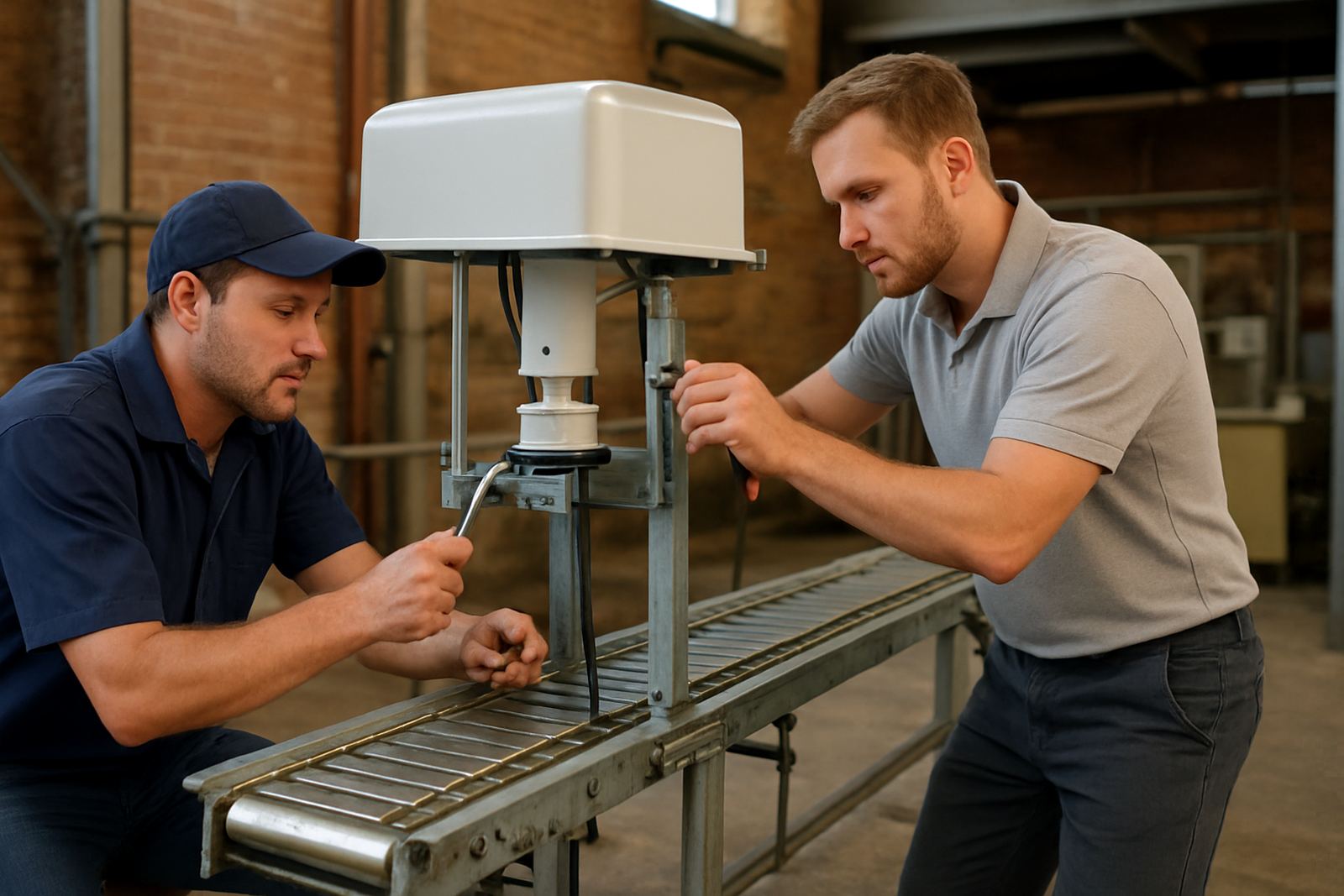
We start by confirming the container, cap and liner specification you are running. From there, our technician reviews machine settings, line speed, cap application quality and the condition of the sealing head. We then collect sample packs and perform seal checks using the method suited to your product and pack type.
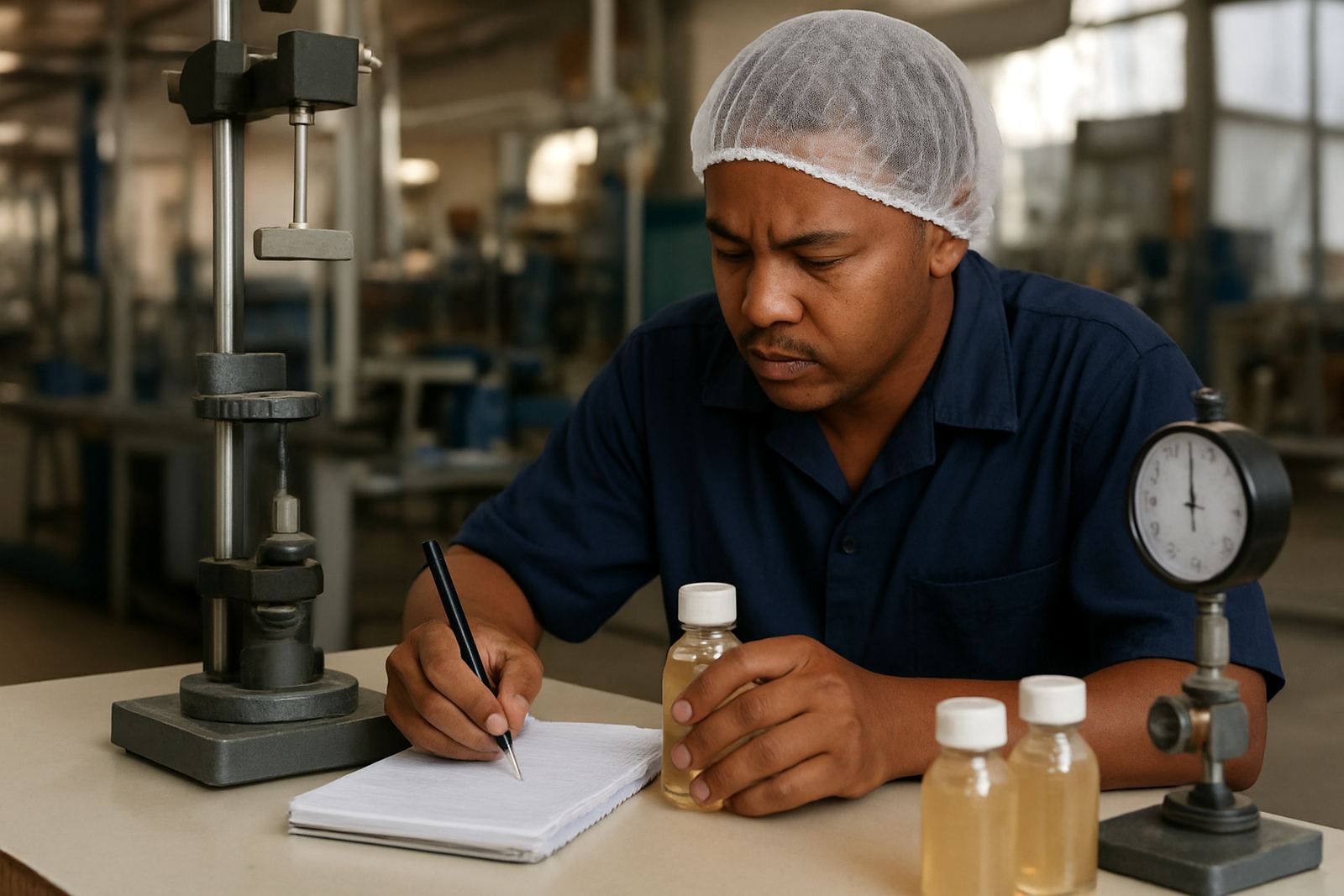
Depending on the application, testing can include visual inspection, peel testing, leak checks and repeat seal trials across a small batch. We record findings on the pack format, liner material, cap torque where relevant and any signs of product contamination around the sealing area. If required, we compare performance across more than one container size so your packing room does not carry hidden risk.
- Line review and equipment setting check
- Sample collection from current production
- Practical tests on selected containers and caps
- Results summary with recommendations for action
What You Receive After Testing
You receive clear feedback on whether the seal is passing, marginal or failing, along with the reason behind the result. Where a problem is found, we show whether it is linked to liner selection, cap fit, sealing head alignment, machine condition or product variables such as fill level and contamination on the rim. That makes it easier for your team to correct the issue without trial and error.
For pharmaceutical and chemical products, this can support internal quality checks before release. For food products, it helps reduce the risk of leakage, spoilage and returns. If the line is in Jacobs or nearby, we can often combine the validation visit with on site adjustment, and if the issue is simpler we can guide your operator team remotely the same day.
- Pass, warning or fail result for the tested samples
- Notes on the cause of any weakness or inconsistency
- Practical recommendations for cap, liner or machine changes
- Support for record keeping and batch traceability
Turnaround Time and Service Scope
For urgent production issues, we prioritise local support in Durban and surrounding industrial areas where sealing lines need quick attention. Many validation jobs can be completed in a single site visit, depending on line access, sample availability and the number of pack formats to be checked. If a product needs a fuller comparison across more than one container type, we will plan the work so your production team can keep moving.
We support small and mid-size pack runs as well as higher-volume operations. Typical visits suit lines running bottles from 250 ml to 5 litre, but we also validate other rigid containers where induction sealing is used. Our team is used to working around shift patterns, municipal operating hours and power interruptions, so we plan the job around your production windows instead of disrupting them.
Pricing Approach for Validation Work
Pricing is based on the scope of the visit rather than a one-size fee. We look at the number of pack formats, the travel distance, whether the work is a simple check or a full validation exercise, and whether report writing or follow-up testing is required. That keeps the quote fair for both a short corrective visit and a larger multi-format study.
Where a line needs repairs, spares or liner matching after validation, we can package the work so you do not pay for separate call-outs unnecessarily. If your team needs a regular validation schedule, we can set out a maintenance plan that spreads checks across the year. It is usually more cost-effective than waiting for a complaint or failed batch. A quick site review often saves much more than the visit costs.
Recommended Validation and Maintenance Intervals
The right interval depends on product risk, line speed, changeovers and how often your team swaps caps or liners. For many operations, a validation check is sensible after installation, after major maintenance, after a pack format change, and then at planned intervals through the year. Sites with higher moisture, heavy dust, or regular load-shedding may need shorter intervals because sealing consistency can drift more quickly.
As a guide, we often suggest:
- After installation or commissioning of new sealing equipment
- After cap, liner or container changes
- Every 3 to 6 months for active production lines
- Immediately after a leak complaint, rejection trend or machine fault
- After power interruptions or repeated start-stop operation
Preventive checks also help your operators pick up wear on the sealing head, poor container presentation and changes in liner stock before they affect batches. That keeps quality steadier and reduces unnecessary waste.
Working With Our Durban Base and Nationwide Lines
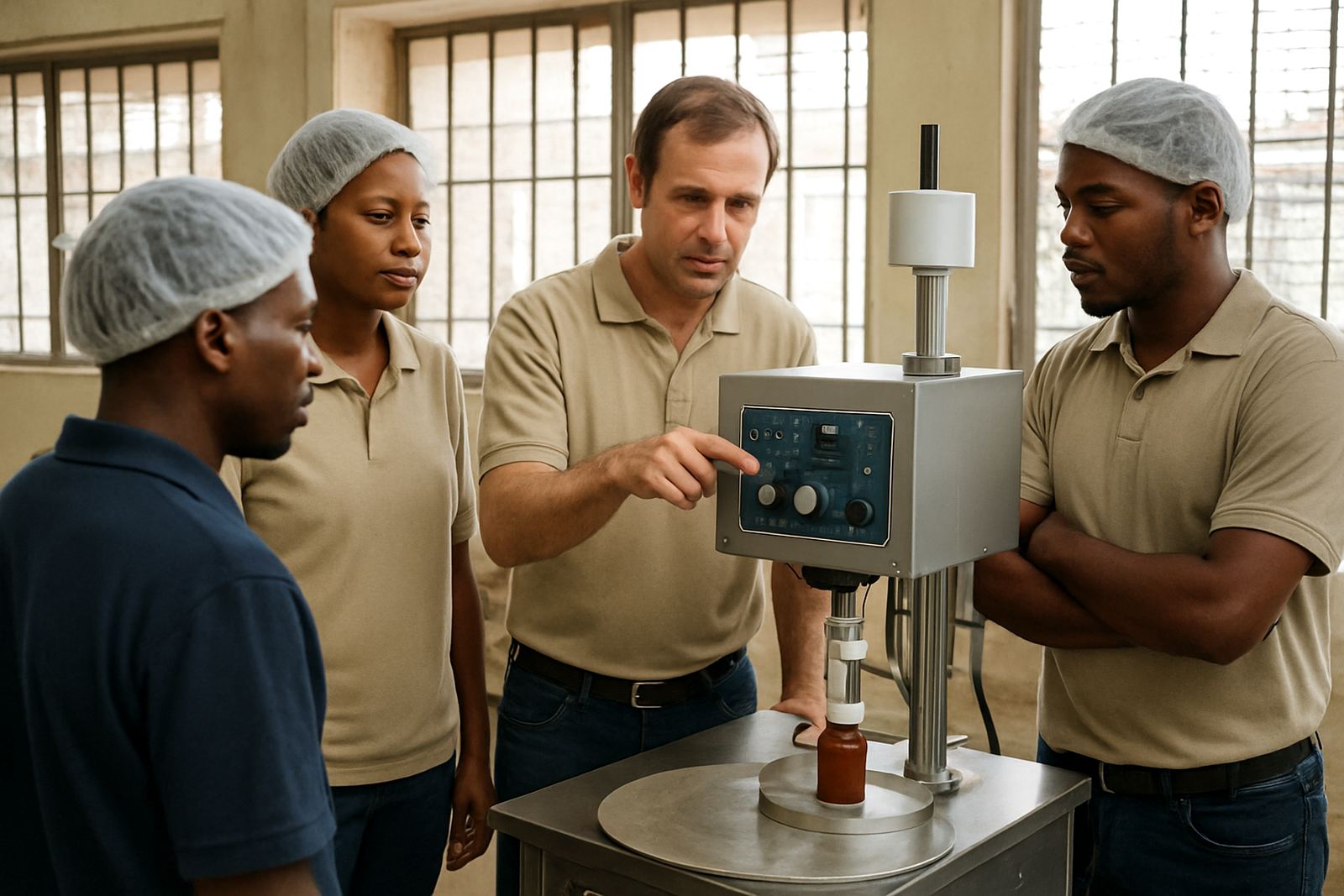
Our Jacobs, Durban base supports sites across KwaZulu-Natal and nationwide sealing lines. We regularly assist manufacturers in Pinetown, Prospecton, Pietermaritzburg and Richards Bay, and we travel for commissioning and validation work where the product range justifies it. When needed, we can coordinate with your operations lead, quality team and production staff so everyone gets the same findings and action list.
Seal validation is not only about testing a pack once. It is about knowing your process can keep making the same seal, shift after shift. That is especially important when your product is sensitive to moisture, contamination or tampering and your customer expects consistent results every time.
For bookings or urgent support, send a message through our contact form and we will arrange the next available visit.
Key facts
| Service area | Jacobs, Durban and nationwide |
|---|---|
| Primary focus | Seal quality testing and verification |
| Container types | Bottles, jars, tubs and rigid packs |
| Typical pack sizes | 250 ml to 5 litre, with other sizes on request |
| Common follow-up work | Liner matching, repairs, optimisation and operator training |
| Response options | Site visit, remote support or scheduled validation plan |