What our preventive maintenance covers
Preventive maintenance is planned around your production hours, bottle sizes and pack formats. We inspect the induction sealer, head alignment, conveyor flow, cap application and liner condition, then clean, test and record the machine status so the line stays consistent. For plants in Jacobs, Pinetown, Prospecton, Pietermaritzburg and Richards Bay, we also factor in humidity, washdown areas and the wear that comes with coastal running conditions.
The goal is simple: keep the seal even, keep rejects low and stop small faults from becoming stoppages. We service sealing systems used in pharmaceutical, food and chemical packing lines, from single-head units to multi-head setups running on continuous conveyors.
- Induction head inspection and height setting
- Power output checks and control verification
- Conveyor speed and bottle spacing review
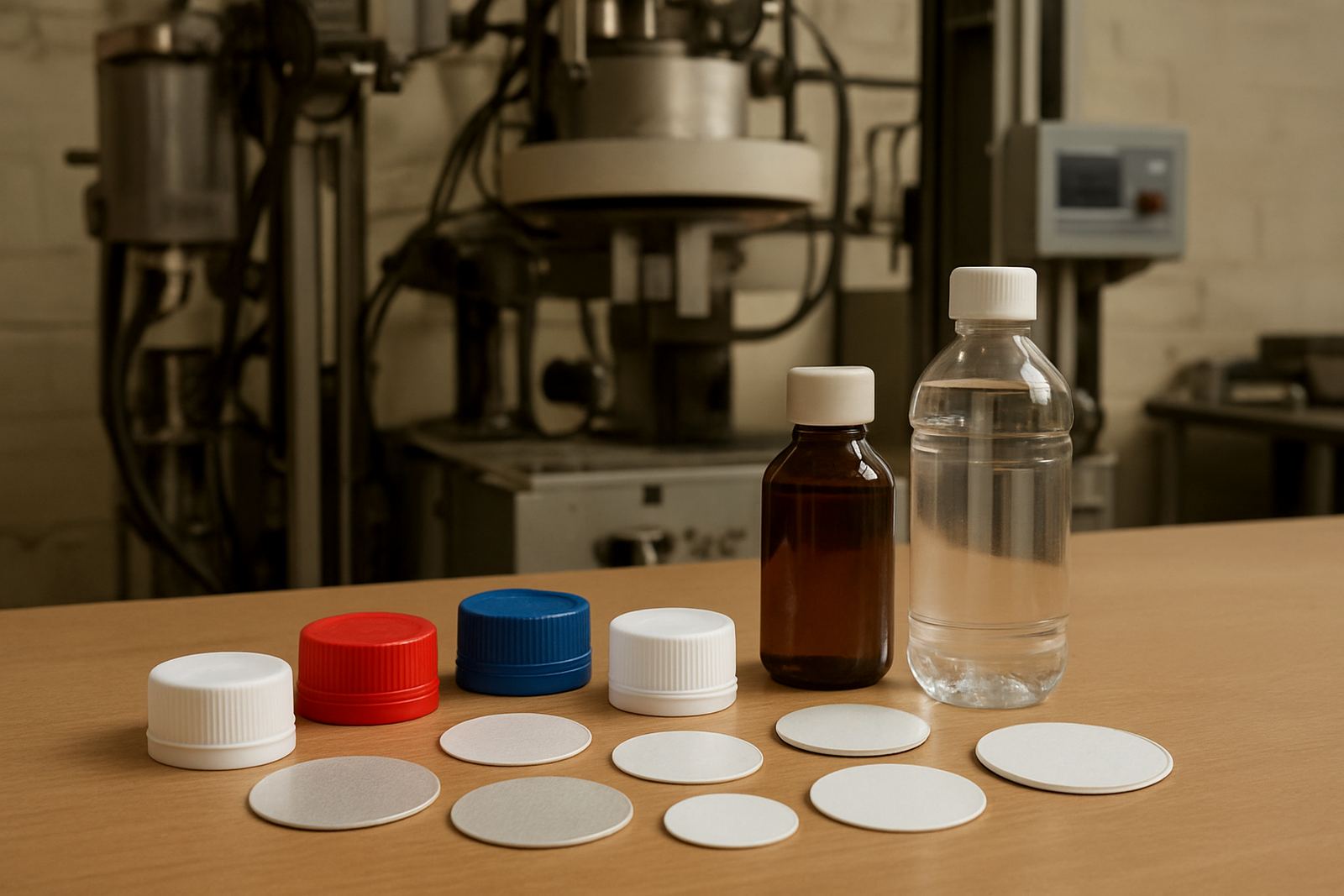
- Cap and liner compatibility checks
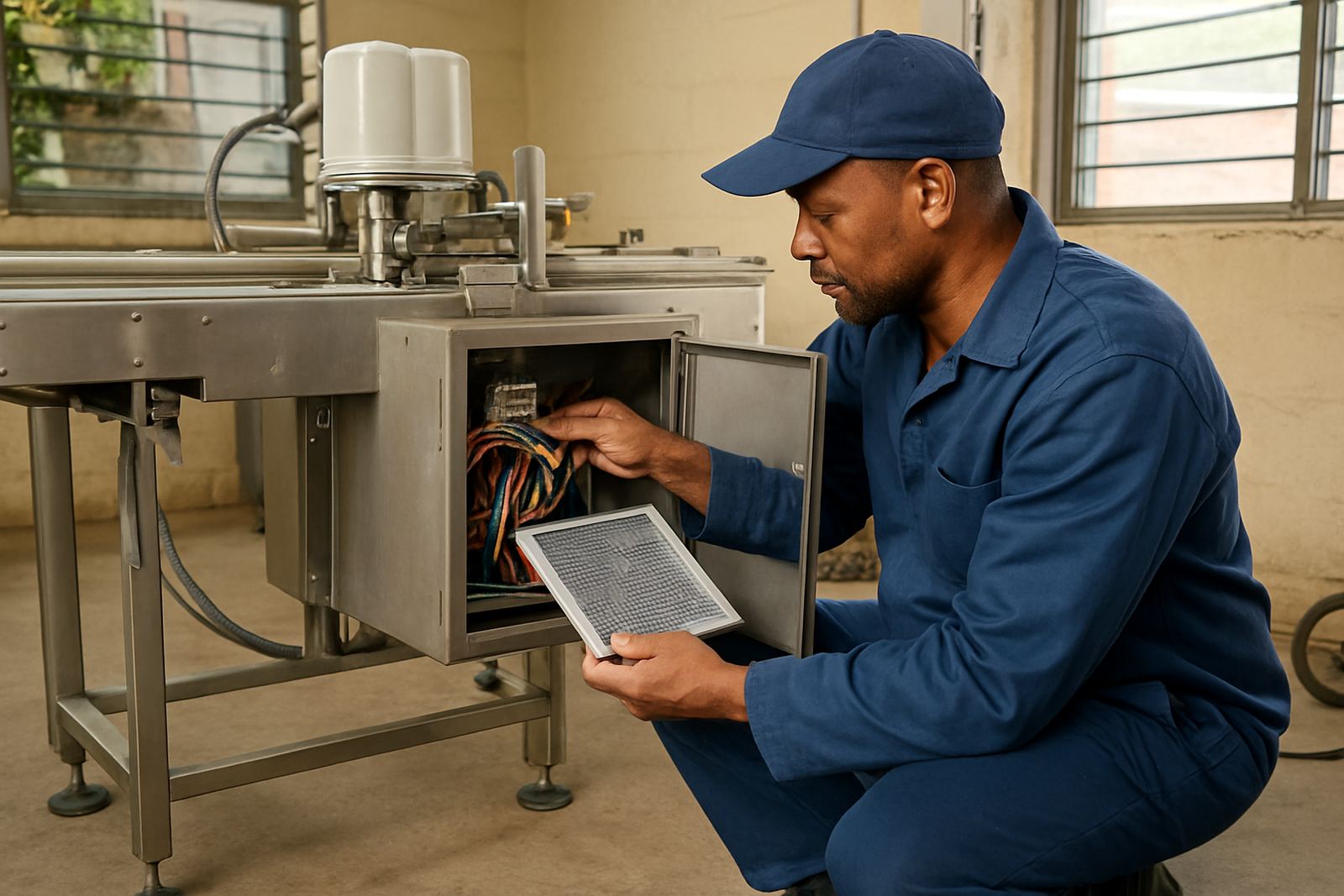
- Cooling fan, cabling and earthing inspection
- Wear item assessment with spares recommendations
What is included during a scheduled visit
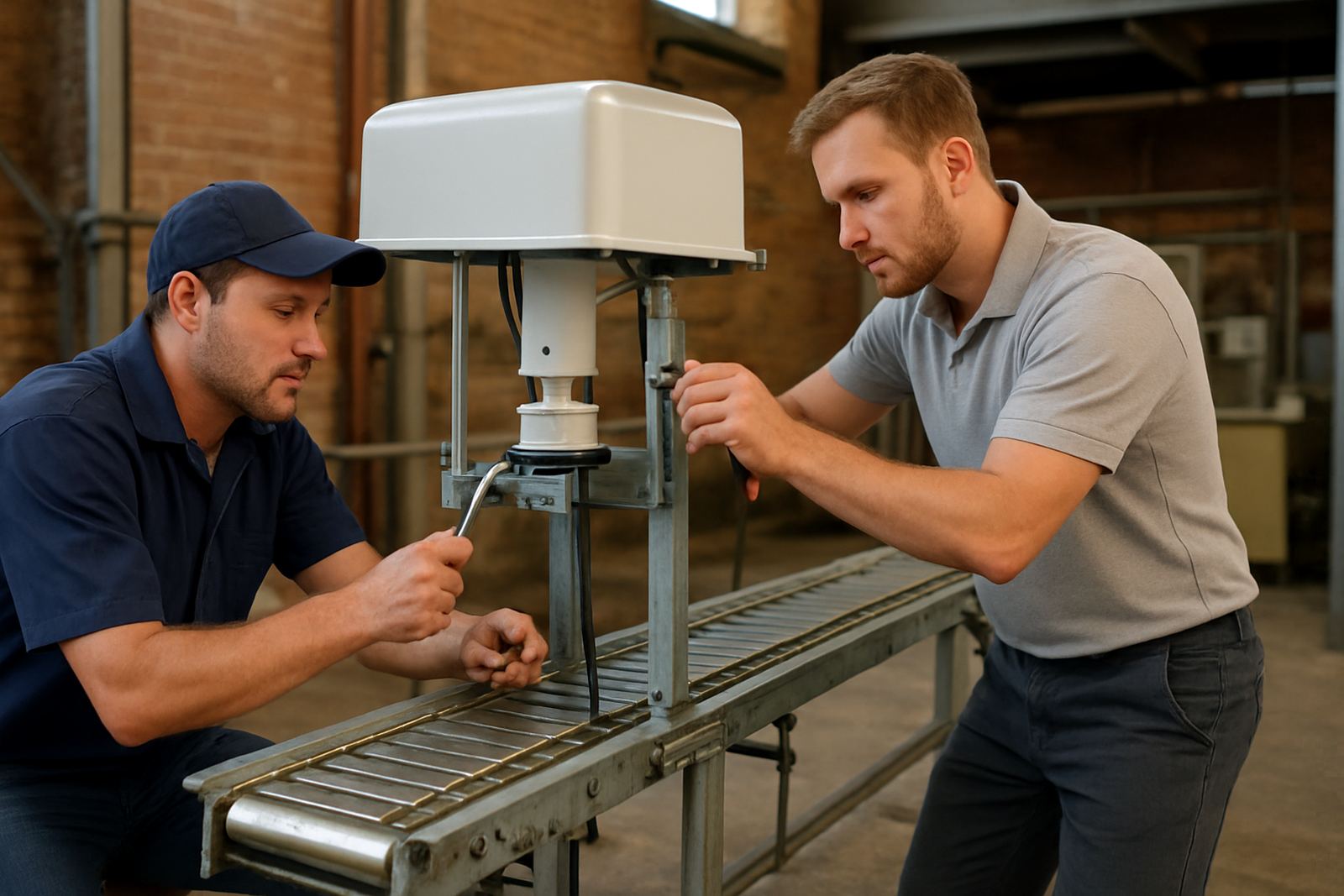
Each visit is planned to cover the parts that affect sealing repeatability. We check the induction head face, bracket tension, guide rails, bottle transfer points and the cap application section. Where needed, we remove dust buildup, inspect seals on electrical enclosures and test the machine under normal production load.
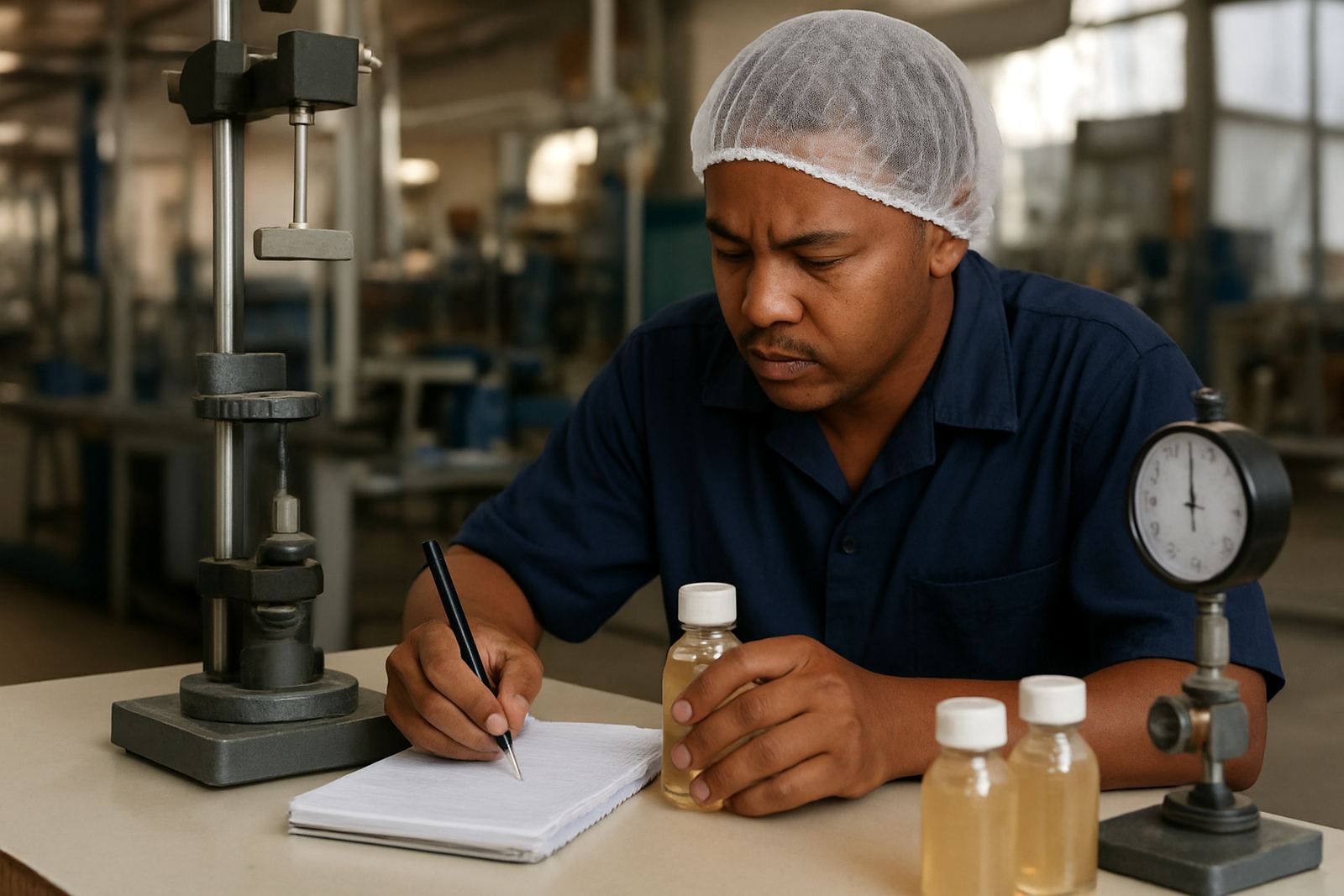
We also review the liner type against the product being packed. A liner that works on one bottle finish may underperform on another, especially with oily contents, powders, high-acid products or containers that carry residual moisture. When necessary, we advise on liner matching so the seal remains steady across the batch.
- Visual inspection and functional test
- Cleaning of service points and access areas
- Output test on sample bottles and caps
- Simple fault report with corrective actions
- Preventive replacement advice for high-wear parts
Our maintenance process from booking to sign-off
We start with a short call or message to understand the machine type, line speed and recent faults. That lets us plan the right technician, tools and spares before we arrive. For customers with multiple lines, we can schedule visits in phases so production keeps moving while one machine is being serviced.
On site, the technician isolates the unit, completes the inspection and tests the seal output. Any adjustments are made with the operator or supervisor present so the team can see the changes and note the settings. After the visit, we share what was found, what was adjusted and what should be watched before the next service. It keeps the line easier to manage and reduces guesswork.
- Pre-visit discussion and service booking
- On-site inspection and clean-down
- Adjustment, testing and verification
- Service notes and recommendations handed over
- Follow-up support if readings shift after restart
Recommended service intervals for Durban and inland plants
Most induction sealing lines do well on a quarterly service, while busier sites or high-dust environments may need monthly checks on selected wear points. In coastal areas such as Durban, Jacobs and Prospecton, moisture and corrosion can shorten the life of electrical connections and moving parts, so tighter intervals often make sense. Inland sites with lower humidity may run longer between visits if the line is stable and the output records are good.
As a guide, we recommend a basic monthly operator check, a 3 monthly planned service, and a more detailed annual inspection for cable condition, control components and head performance. If your product changes often, or you are packing into different bottle heights and neck finishes, the interval should be shorter until the settings settle.
- Monthly: operator visual checks and quick cleaning
- Quarterly: full preventive service
- Bi-annual: deeper inspection on higher duty lines
- Annual: full performance review and wear assessment
Turnaround times and how we plan around production
Turnaround depends on line access and the amount of adjustment needed, but most routine visits can be completed within half a day to a full day. Larger lines or sites with several sealers may need a staged plan over more than one visit. Where a breakdown risk is identified, we will say so clearly and recommend the quickest practical corrective action.
We work around shift patterns where possible, including early starts and off-peak windows. That matters for plants that cannot afford long stoppages, especially where product is filled in batches and the next process waits on a sealed container. If a replacement part is needed, we advise the expected lead time before you commit to a shutdown.
Pricing approach, spares and service records
Our pricing is based on the machine type, the number of units on site, the distance from Durban and whether the visit is routine or includes corrective work. We quote clearly for labour, travel and any special spares before the job starts. If the line needs repeated attention, we can set up a planned service programme so costs are easier to budget across the year.
We also keep a record of wear items, settings and recurring faults so future visits are faster and more focused. That helps with compliance in regulated packing environments, where repeatability and traceable maintenance matter. If a line is running near limit, we will say so and suggest the next step rather than leaving you to guess.
- Clear quote before work begins
- Labour and travel shown separately where needed
- Spares sourced to match the machine and liner spec
- Service notes kept for repeat visits and audits
Key facts
| Service type | Scheduled preventive maintenance for induction cap sealing lines |
|---|---|
| Coverage | Jacobs, Durban and nationwide |
| Typical visit time | Half day to full day, depending on line size |
| Recommended interval | Monthly checks plus quarterly planned service |
| Site types | Pharmaceutical, food and chemical packing plants |
| Support format | On-site servicing with remote follow-up if needed |