Fast response when a line starts failing
Breakdowns usually show up as weak seal bonds, foil liners not bonding fully, blown fuses, erratic conveyor movement, or a capper and sealer not staying in sync. Our breakdown repair support is set up for those moments, whether the issue is at a Jacobs plant, in Pinetown, or on a line running in Richards Bay or Pietermaritzburg.
We work on induction cap sealing systems used in pharmaceutical, food and chemical packing, including bottle sealing lines from small batch runs to high-output plants. The aim is simple: find the fault quickly, isolate the cause, and get the line back into stable production with as little downtime as possible.
- Fault finding on induction sealing heads and power units
- Checks on liners, cap fitment and bottle presentation
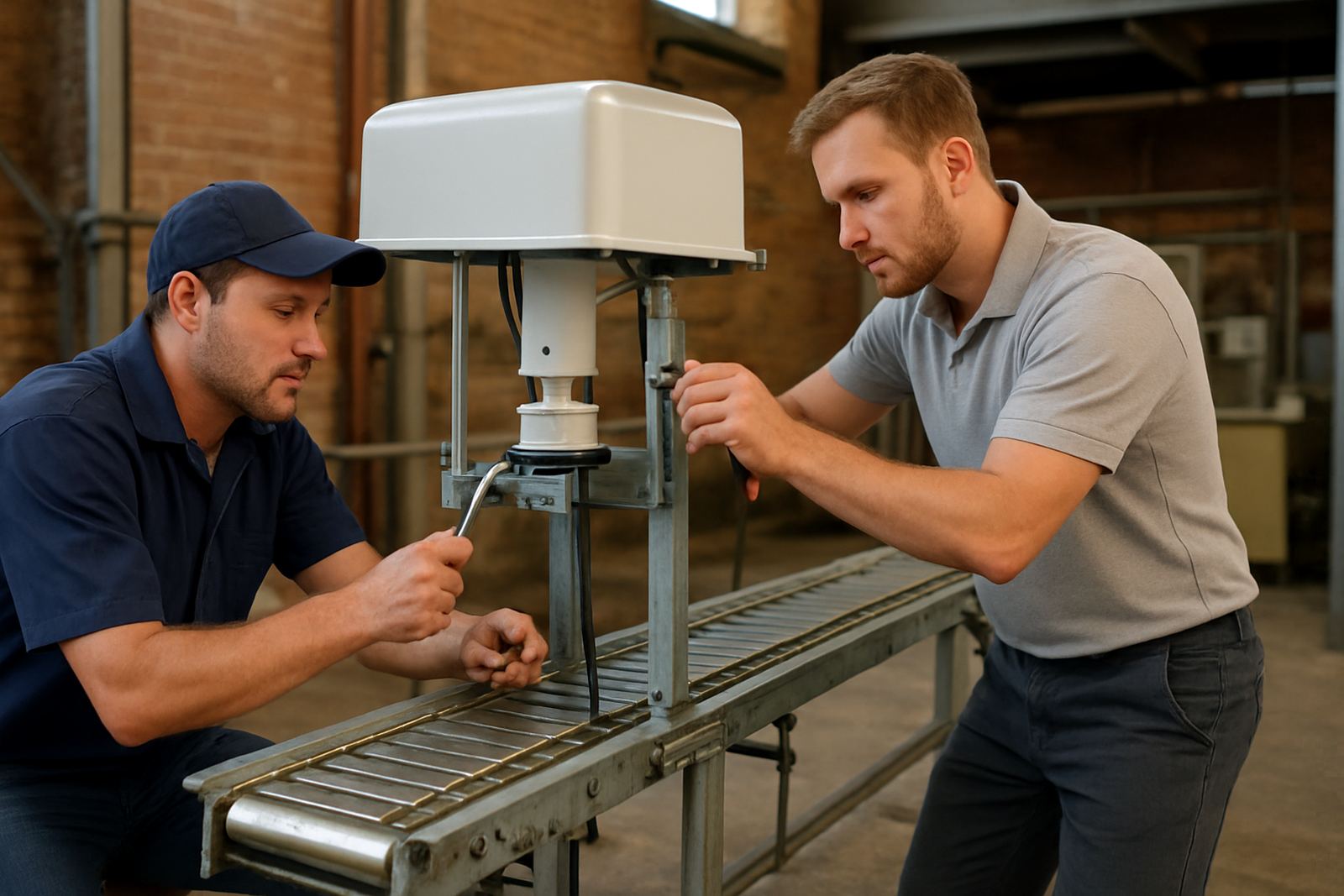
- Inspection of conveyor alignment and line timing
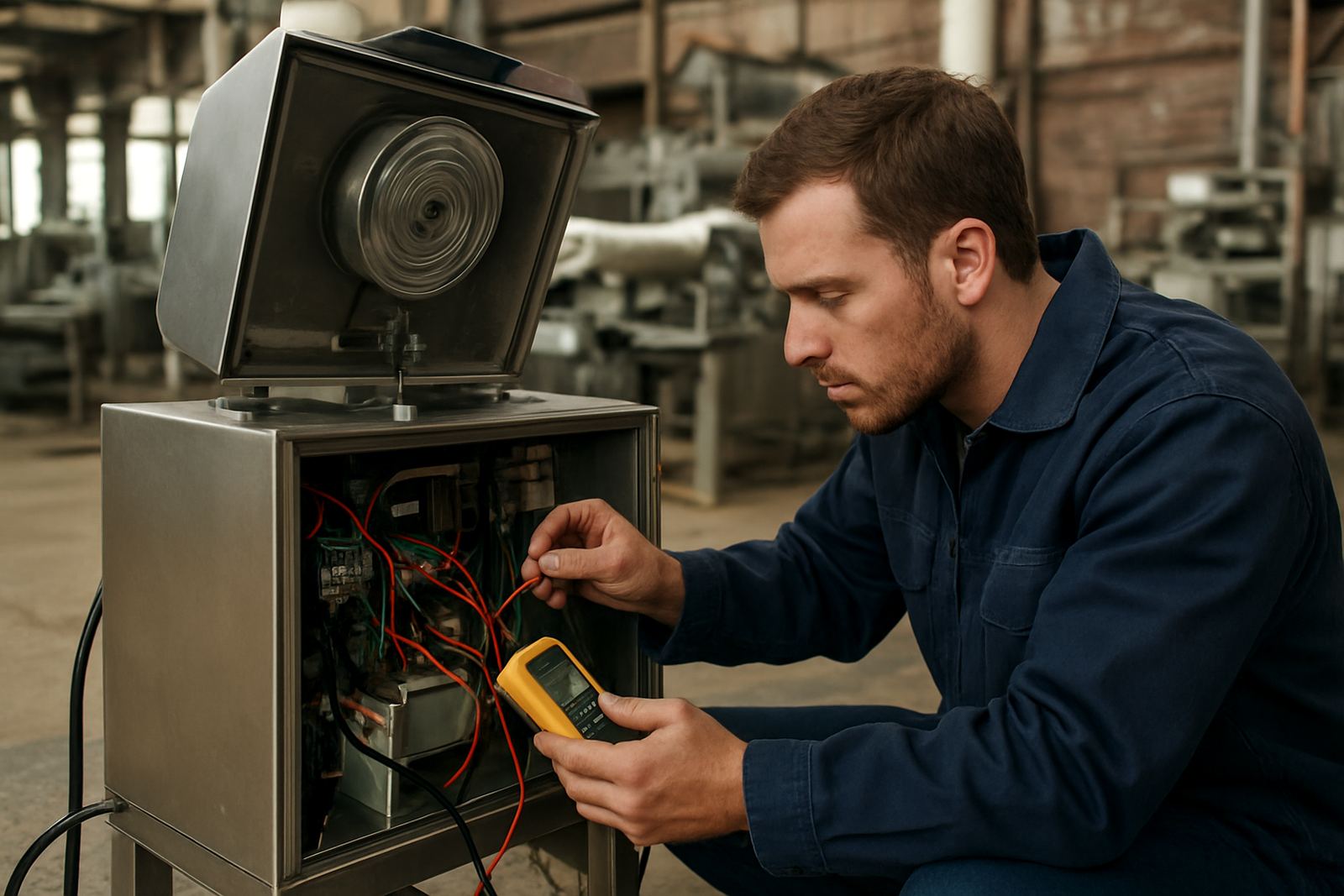
- Electrical checks for wiring, control parts and protection devices
What the breakdown repair visit includes
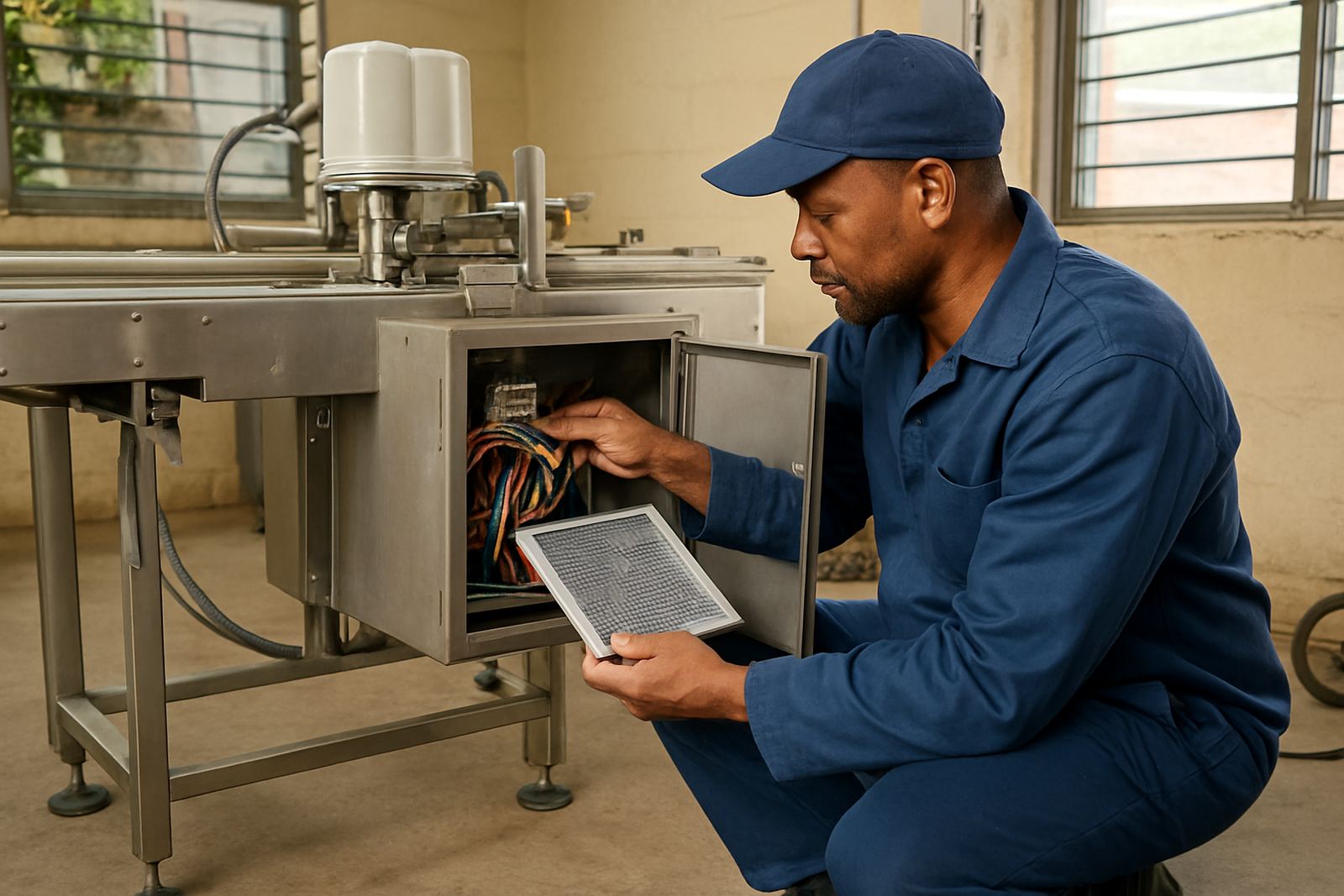
Each callout starts with a structured inspection so the team does not waste time guessing. We look at the sealing head, control settings, conveyor speed, container spacing, cap torque, liner condition and the product bottle profile. In many cases the real problem is upstream, such as poor cap application or a bottle neck size that is not matching the liner spec.
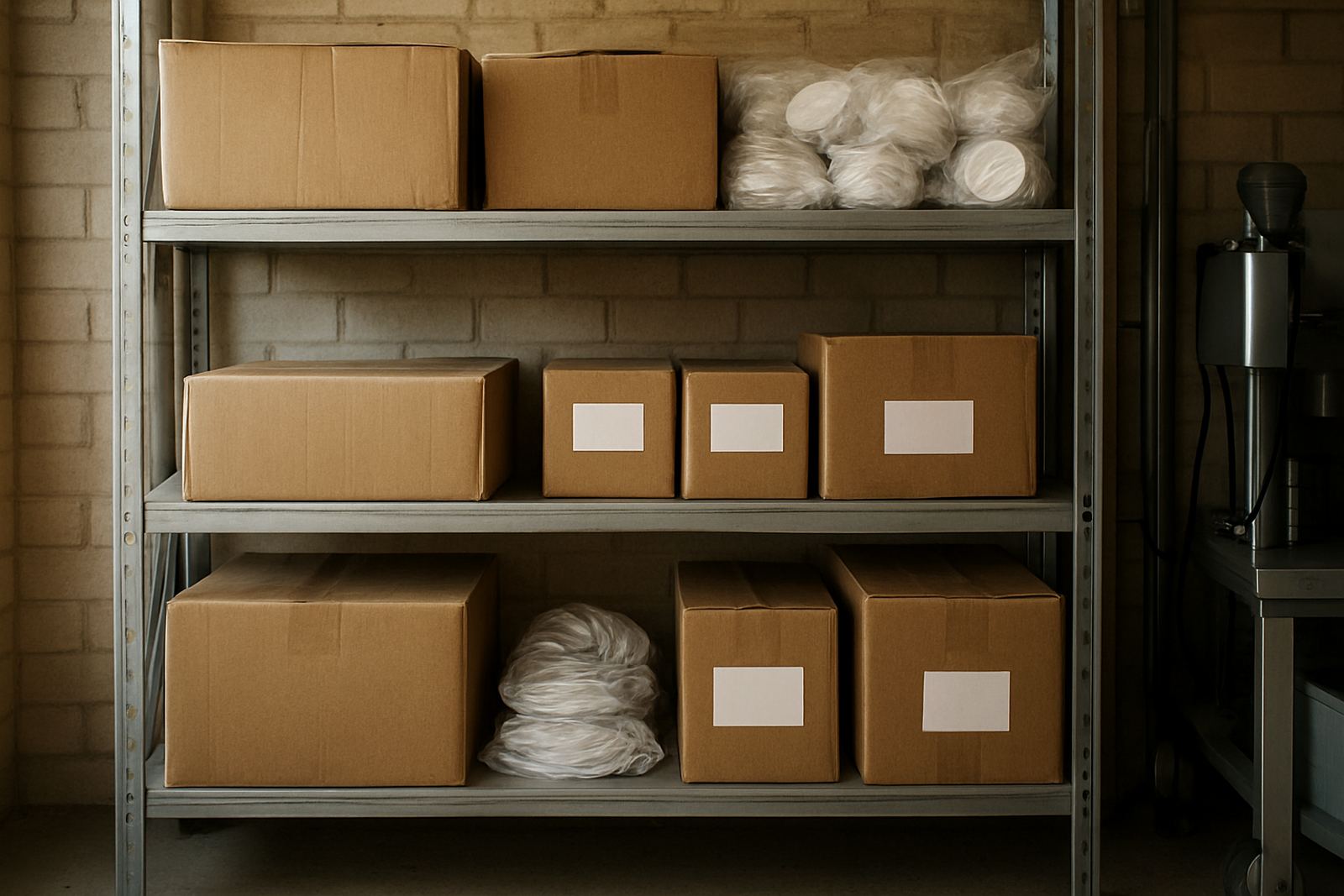
Where needed we carry test liners, common spares and replacement consumables to help resolve the fault on site. If a repair needs workshop attention or a special part, we will explain that clearly and keep the site informed on lead time, cost and next steps.
- On-site diagnosis and fault isolation
- Replacement of damaged wear parts where available
- Setting corrections for heat, speed and head position
- Verification run with sample packs or production stock
Repair process from call to restart
For most clients the process begins with a phone or message report through our contact form. We ask for the machine type, the fault symptoms, liner size, cap size, bottle material and how urgently production needs to resume. That lets us send the right technician and the right kit, instead of arriving under prepared.
On site we assess, repair, retest and hand back the line with practical notes for the operators. If the fault is related to repeated misuse, poor setup or contamination on the sealing face, we will point that out and show the team what to watch for. A good repair should not only stop the current problem, it should reduce repeat failures too.
- 1. Receive the breakdown report and confirm the symptoms
- 2. Dispatch a technician or arrange remote support first
- 3. Diagnose the root cause and carry out the repair
- 4. Test seals, confirm output and hand over the line
Turnaround times and after-hours support
Turnaround depends on the fault, location and parts needed. Many minor faults can be resolved the same day in Durban metro or nearby industrial areas, while more complex repairs may need a return visit or a special component. For sites working shifts or dealing with urgent orders, after-hours support can be arranged so production does not stay down until the next working day.
Jacobs and Prospecton clients often need quick attendance because packaging lines are tied to dispatch and cold-room schedules. In coastal areas we also see extra wear from humidity, so we check for moisture in electrical enclosures, corroded terminals and liner storage issues that can affect seal quality if left unchecked.
Where load-shedding has affected the line, we inspect for voltage-related problems, reset settings and look for damage caused by repeated stop-start cycles. A line that fails after power interruptions needs more than a reset, it needs proper verification.
Pricing that fits the fault, not guesswork
We price breakdown repairs based on the actual work required, not a one-size-fits-all rate. That usually means a callout component, labour time, travel if the site is outside Durban, and any parts or liners used during the repair. If we can solve the issue with remote support, we will say so and avoid an unnecessary visit.
For customers with regular sealing lines, we can also discuss service support on planned intervals so urgent breakdowns are less frequent. This is often the smarter option for pharma and food plants where a failed seal can mean product hold, rework or wastage. Clear pricing matters because no one wants a surprise Rand figure after a line has already been down all morning.
Maintenance intervals that prevent repeat failures
Breakdowns often point to a maintenance gap rather than a one-off fault. For most lines we recommend a preventive check every 3 to 6 months, with shorter intervals for high-volume plants, wet production areas or sites running in hot rooms and coastal conditions. During that visit we inspect wear parts, alignment, sealing consistency and the condition of electrical connections.
We also review liner matching and storage. The wrong foil thickness, damaged liner stock or poor cap fit can cause sealing failures that look like machine trouble. A regular maintenance schedule keeps the line steadier, reduces callouts and helps operators spot small issues before they become a stop-start headache.
- 3 monthly checks for busy or critical production lines
- 6 monthly checks for lower-volume sites
- Earlier inspections after power interruptions or water ingress
- Retest seals whenever bottle, cap or liner specs change
Key facts
| Service type | Breakdown repairs for induction cap sealing lines |
|---|---|
| Coverage | Jacobs, Durban and nationwide |
| Typical response | Same day in Durban metro where scheduling allows |
| Industries | Pharmaceutical, food and chemical |
| Support modes | On-site repairs and remote fault finding |
| Maintenance interval | Every 3 to 6 months, depending on duty cycle |