How to book a training session
To arrange training, send your site name, location, contact person and the equipment that needs attention through our contact form. Include the number of operators or maintenance staff who must attend, plus the shift times you want us to work around. If your line runs around the clock, we can plan training during a changeover, after hours or on a quieter production window.
For sites in Jacobs, Pinetown, Prospecton, Pietermaritzburg and Richards Bay, we can schedule on-site visits directly. For other areas nationwide, we will confirm travel, timing and any access requirements before the visit. If your plant has gate control, PPE rules or induction steps, please mention them early so there is no delay at the gate.
- Site name and address
- Contact person and phone number
- Equipment model or line details
- Preferred training date and shift
- Number of attendees
What the training covers
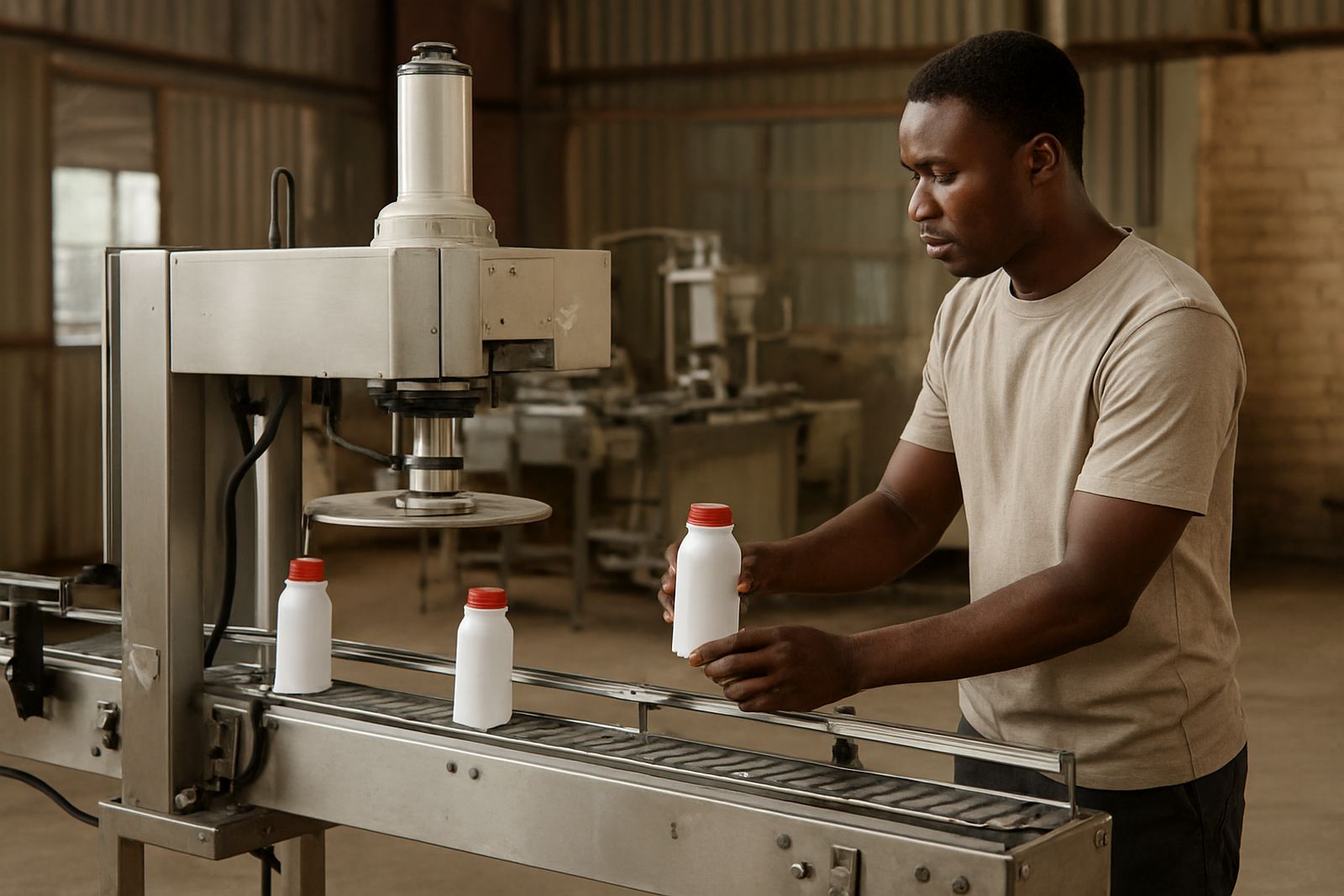
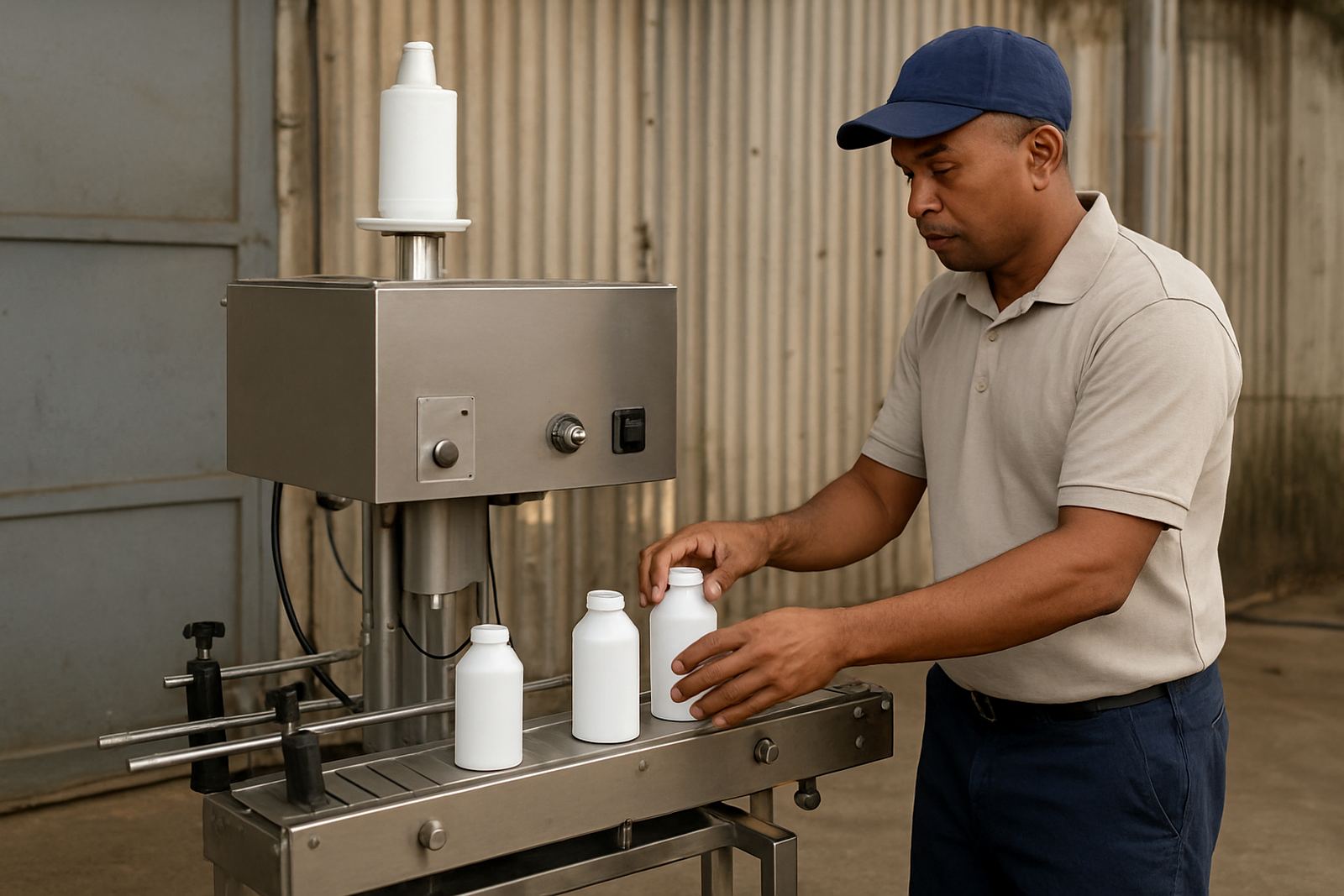
Operator training focuses on day to day use, correct setup, liner placement and the right settings for your container type. We show staff how to check seal quality, spot common faults and keep the line running during load-shedding or power dips, where restart discipline matters. Maintenance training goes further and covers inspection points, wear items, cleaning, basic troubleshooting and when to call for service instead of forcing a fix.
We also cover product changeovers, seal validation checks and the practical side of keeping the line stable in heat, dust or coastal humidity. In Durban and the coastal belt, moisture can affect storage and liner handling, so we include handling advice that suits local conditions.
- Safe start-up and shut-down steps
- Setting checks for different bottle sizes
- Seal quality checks and rejection signs
- Cleaning and routine inspection points
- When to log a fault or call for repairs
Training for operators, technicians and supervisors
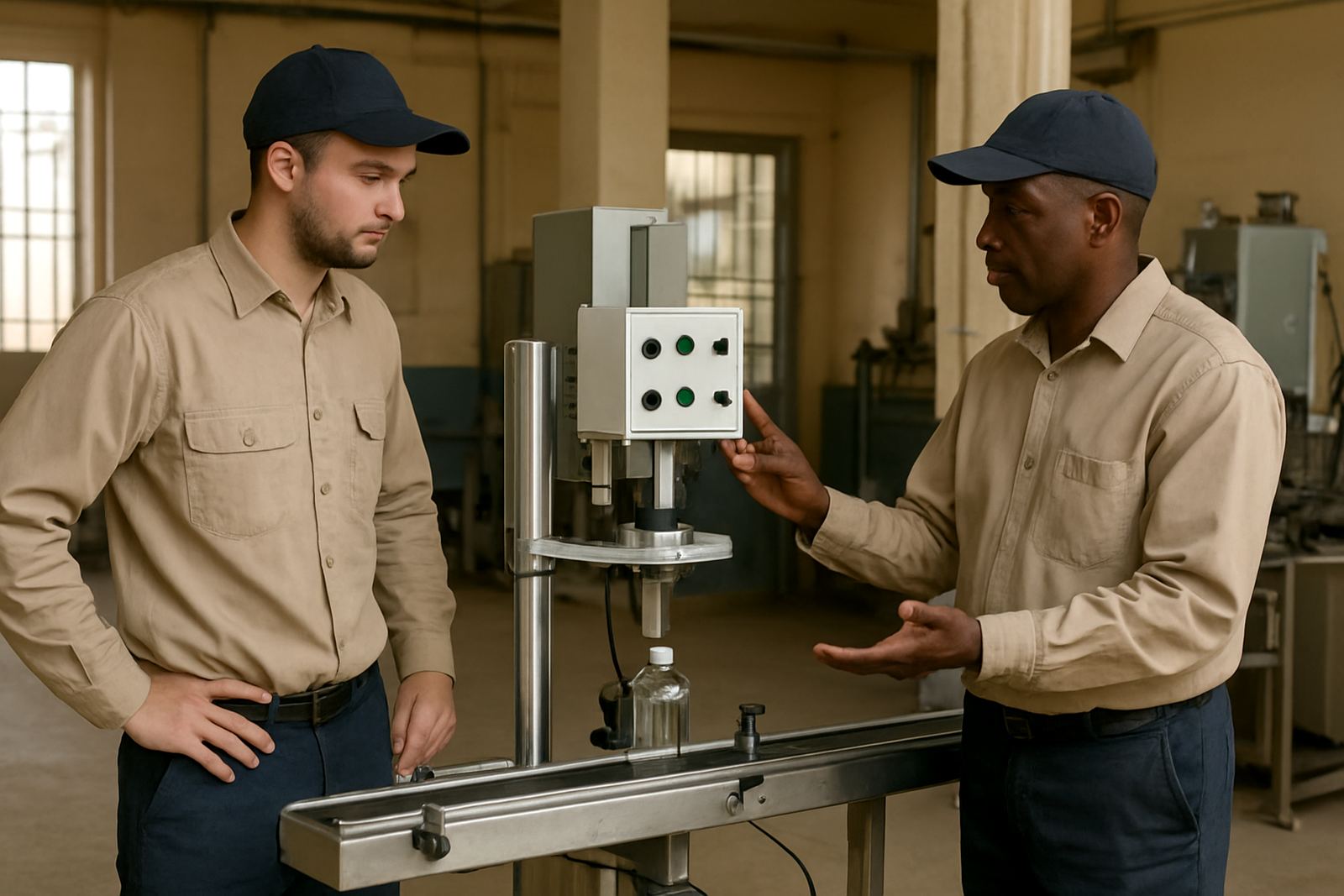
Different teams need different detail, so we tailor the session to the people in the room. Operators need practical instruction they can use immediately on shift. Technicians need deeper fault-finding and preventive maintenance guidance. Supervisors often want the full picture, including how to manage spares, downtime and the timing of service work around production.
If you have a mixed group, we can split the session into short blocks so the information stays useful. This helps smaller plants in places like Pinetown or Pietermaritzburg where the same person may run the line one hour and handle stock the next. It also works well for larger sites with rotating shifts and multiple pack rooms.
- Operator sessions for daily use
- Maintenance sessions for checks and repairs
- Supervisor briefings for line planning
- Refresher sessions for new staff changes
What to prepare before we arrive
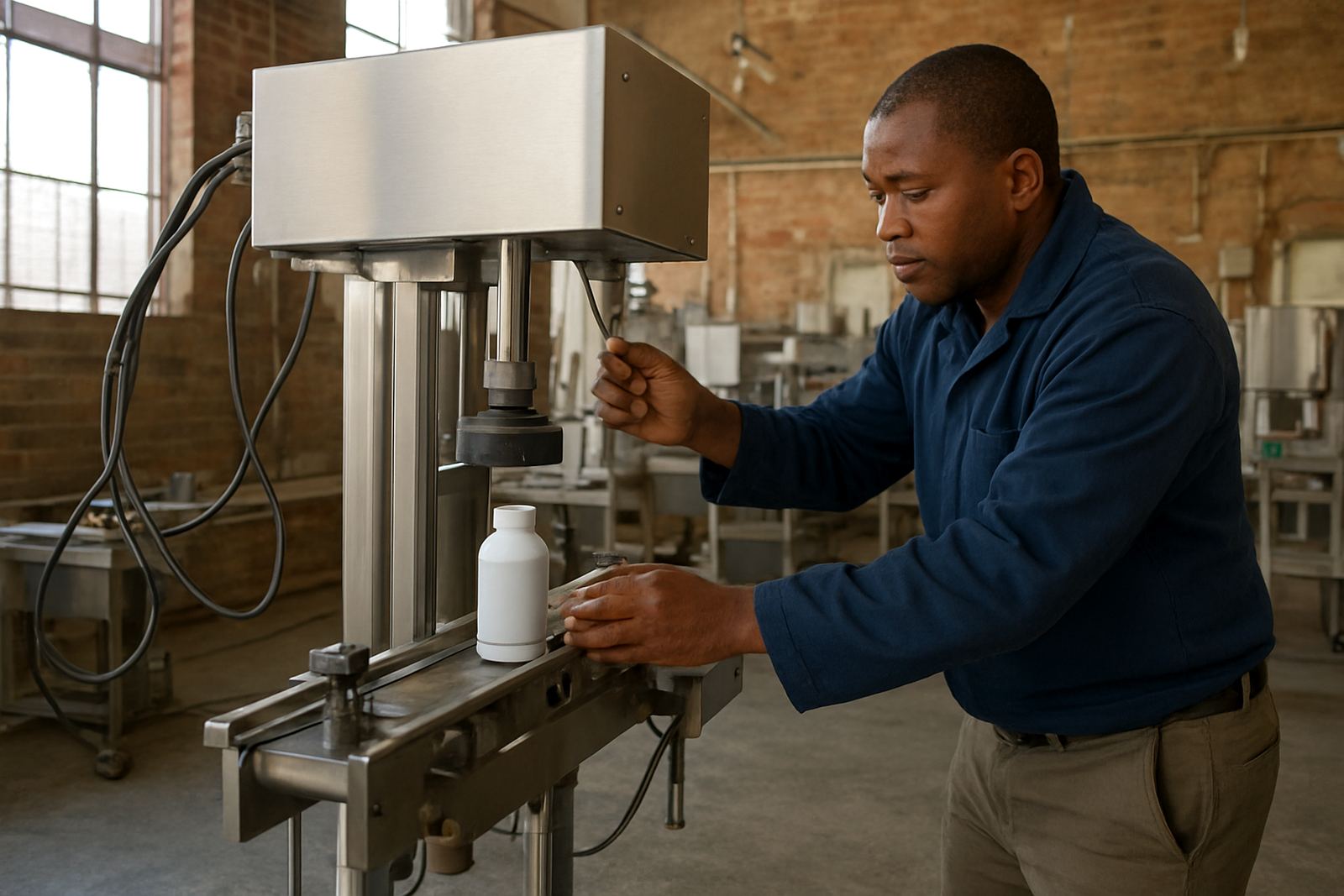
A little preparation keeps the session focused and saves time on site. Please make sure the sealing line is accessible, that the area around the machine is clear and that the correct power and air supply are available if your setup uses them. If the equipment is in a production area with hygiene rules, keep the required cleaning records and PPE ready.
It also helps to have a few sample containers, the liners you normally use and any rejected product you want us to inspect. If you have been seeing uneven seals, lifting liners or inconsistent output, keep those examples aside. That gives us a proper starting point instead of guessing at the problem.
- Clear access to the machine
- Working power and air supply where needed
- Sample bottles and current liners
- Any rejected or faulty caps for review
- PPE and site access approval
Support for regulated and sensitive products
Pharmaceutical, food and chemical sites often need more than a quick demonstration. They need training that fits documented procedures and the safety standards used on site. We can work through seal validation steps, record keeping and line checks so your team knows what to look for and what to write down after each session. That helps keep audits cleaner and reduces confusion when staff change over.
For chemical products and certain food applications, correct liner matching is important because not every liner suits every container or fill type. We will show your team how to identify the right match and avoid common errors that lead to leaks or rework. A small mistake with liner choice can cost a full shift, so it is worth getting this right from the start.
After the session: follow-up and refresher bookings
Once training is complete, we can stay available for remote support if your team wants to check a setting or confirm a fault condition. If the line changes later, for example a new bottle size, new lid type or higher output target, you can book a refresher session. That is often the best way to keep things steady without waiting for a breakdown.
We also help sites plan maintenance visits after training, so operators know what to do and the service team knows what to check. That keeps the line tidy, the seals consistent and the spares list under control. For busy plants in Durban, Richards Bay and the surrounding industrial areas, that kind of follow-up can save a lot of running around.
- Remote support after training
- Refresher booking for line changes
- Maintenance follow-up planning
- Spare part guidance when needed