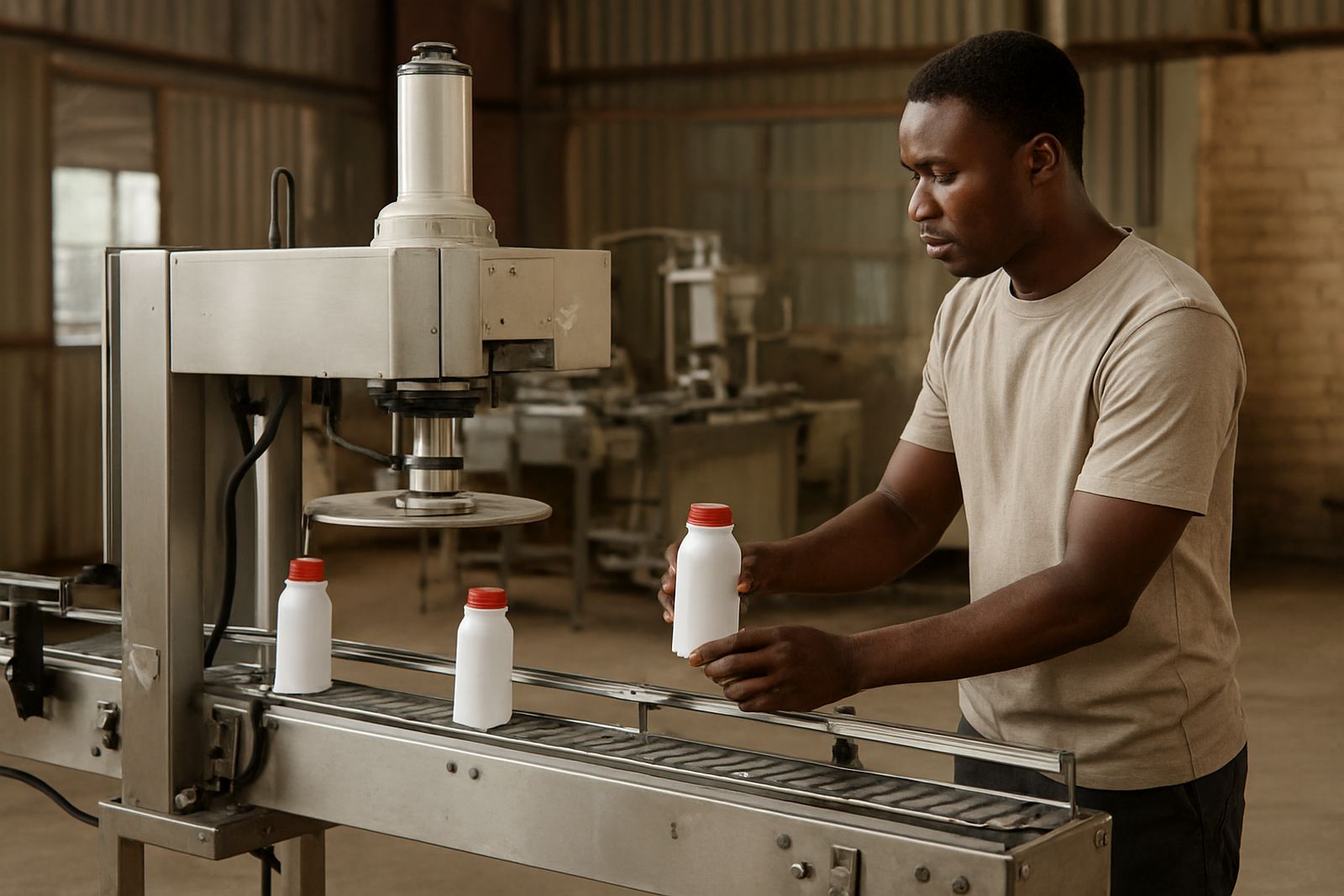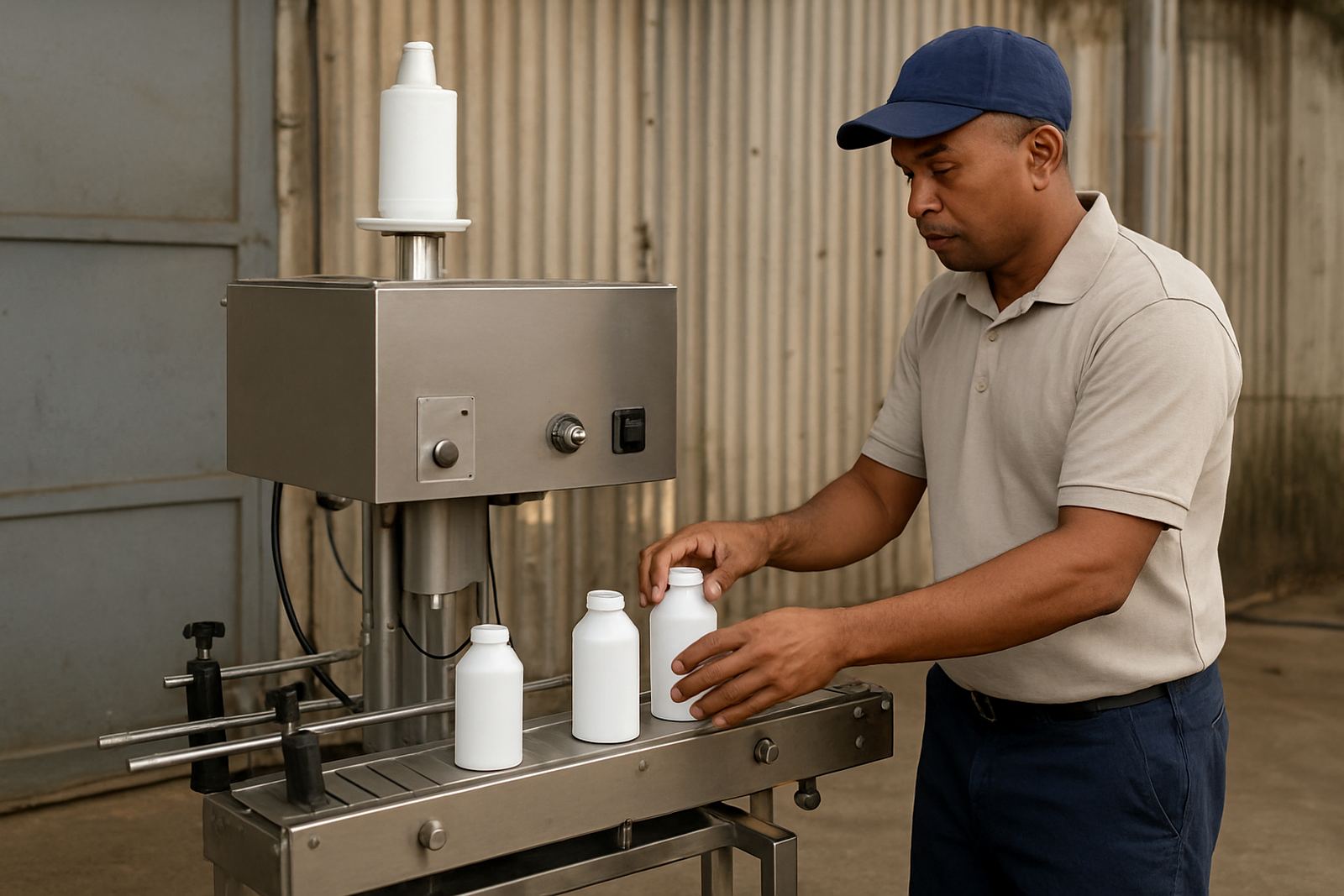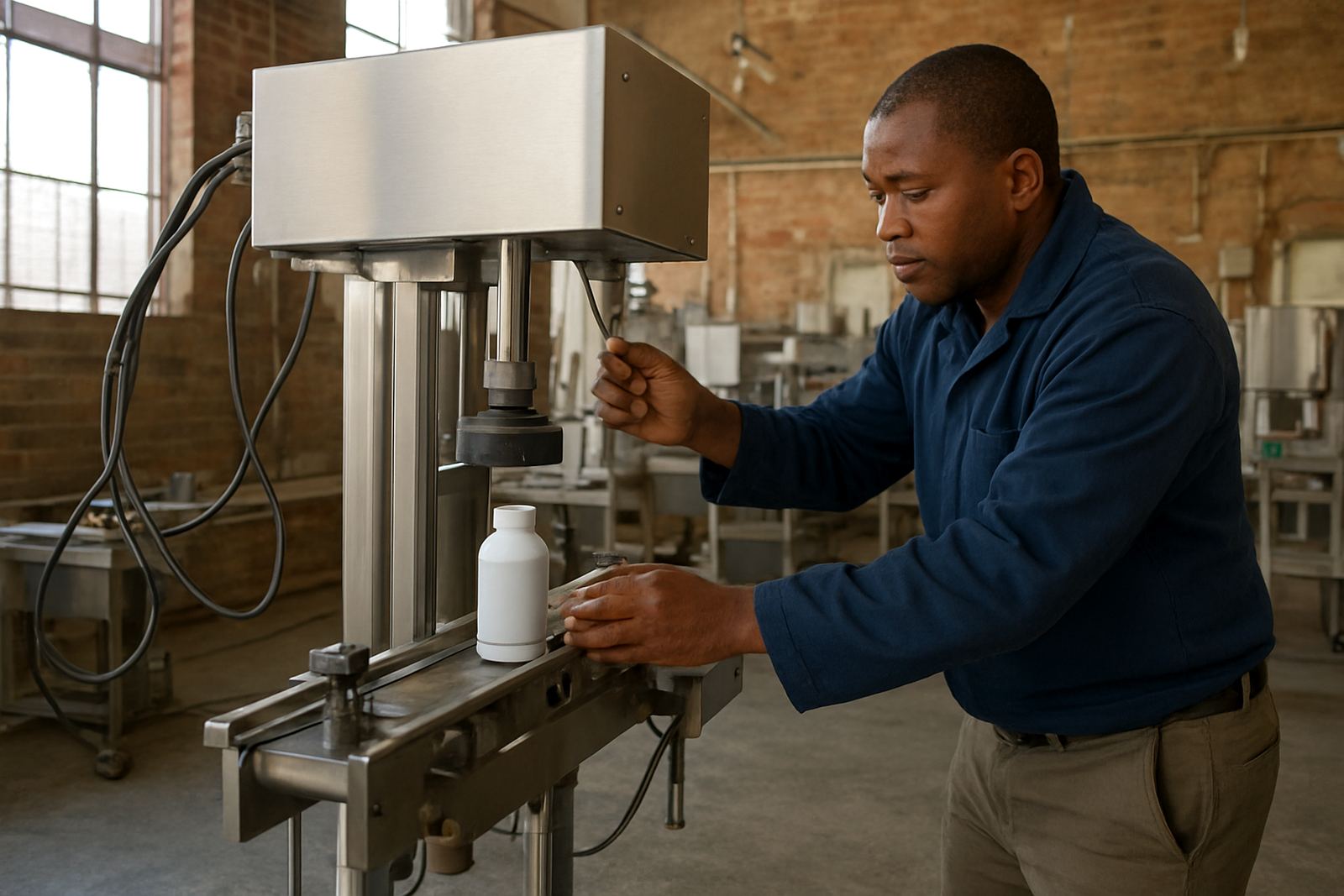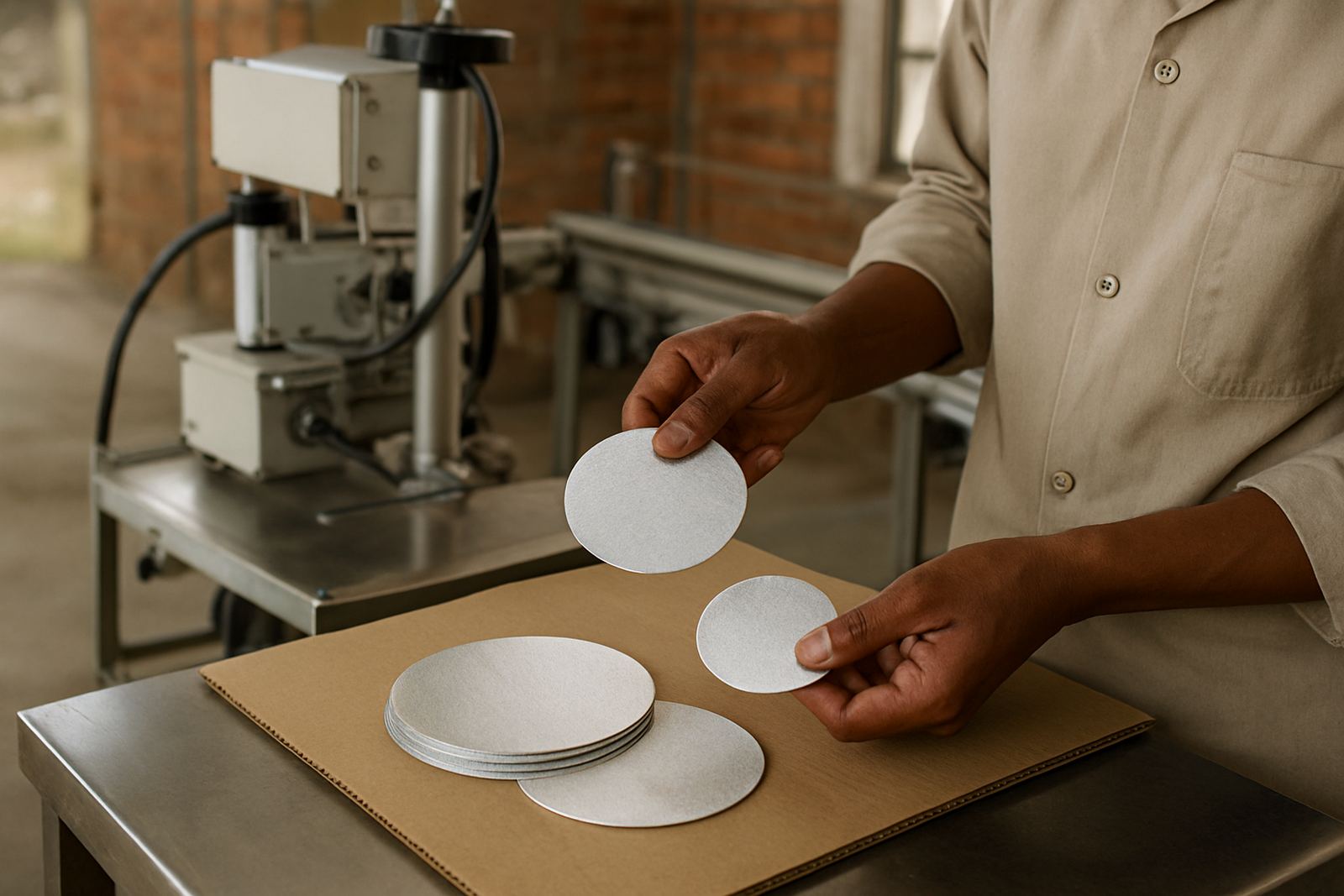
Why request liner samples before ordering
Getting liner samples first saves time and avoids waste. A liner that looks right on paper can still fail on a short neck finish, a deep shoulder, a tamper ring or a container with slight mould variation. For pharmaceutical, food and chemical packs, that first check matters because seal integrity affects shelf life, leak control and product safety.
Sample testing also helps when you are changing pack sizes, switching container suppliers or setting up a new line in Durban, Pinetown, Pietermaritzburg or further afield. If your product moves by road in summer heat or sits in storerooms near the coast, you want to know the seal will hold up under real conditions, not only in theory.
What to send us with your sample request
To match liner samples properly, we need a few practical details. The more information you send, the faster we can narrow down the right liner type and sealing approach. If you are unsure about one of the points, send what you have and we will work it out with you.
- Container material, such as PET, HDPE, glass or PP
- Neck finish and cap size, if known
- Product type, for example liquid, powder, oil or chemical
- Fill temperature and packing speed
- Any tamper evidence or leak test requirements
- Photos of the container, cap and current liner if available
For lines with different product formats, it helps to list each one separately. A single plant may run 500 ml bottles in the morning and 5 litre containers later in the day, and each format can need a different liner match.
How the sample request process works
Our sample process is kept simple so your team can test without delay. Once we receive your details, we confirm the likely liner type and sample quantity, then arrange dispatch from our Durban base. If you are in Jacobs, Prospecton, Richards Bay or Pietermaritzburg, we can usually move quickly on local requests. Nationwide deliveries are handled as needed for sealing lines in other provinces.
- Send your request through our contact form through our contact form
- Include your container details and target application
- We confirm the liner option and quantity for trial
- Samples are packed for dispatch or collection
- Your team tests the liner on line and records results
If your line is down or you are under pressure to keep production moving, mention that upfront. We can prioritise the request where possible and support you with practical advice on setup and testing.
What to check during your trial run
When the samples arrive, test them under normal production conditions. Do not only run a slow hand test if the line usually seals at speed. Use your actual cap torque, conveyor settings and fill profile. Where load-shedding affects plant timing, test after the line has restarted and the equipment has settled, because heat and timing can shift slightly.
- Seal bond strength after cooling
- Leak resistance during handling and transit
- Compatibility with product chemistry
- Container and cap fit after capping
- Ease of removal for the end user
- Appearance after sealing, including lift or scorch marks
For food and pharmaceutical packs, keep a short record of sample dates, batch numbers and test results. That makes it easier to compare options later and supports internal quality checks if you need to show due care during audits.
When a different liner is needed
Sometimes the first sample confirms that the container needs a different liner thickness, structure or seal profile. That is normal. A liner may need to be changed if the product contains oils, solvents, aggressive chemicals or moisture-sensitive ingredients. Even humidity in coastal areas like Durban and Richards Bay can influence storage and handling, especially if cartons are opened and closed often.
If a liner fails to seal evenly, or if you see lifting, wrinkling or weak bond areas, we can advise on the next option. We also assist with liner matching where a cap or container has been sourced from more than one supplier, which is common when buying in bulk across different production runs.
Support after sample testing
Once you have tried the samples, we can help interpret the results and advise on the next step. That may include a full supply order, seal validation support, preventive maintenance on the sealer, or minor line adjustments if the issue is linked to heat, dwell time or alignment. Our team in Jacobs supports sealing lines across South Africa, with site visits, remote support and breakdown assistance when required.
For ongoing production, it is worth keeping a small approved sample set on file so your operators can compare fresh stock against the tested liner. That simple step often prevents avoidable stoppages later, especially on busy lines where a small change can go unnoticed until a few hundred containers have already been packed.
How to request your samples now
Send your request through our contact form with the container type, cap size, product description and the town where the line runs. If you have photos or a short note about the problem you are solving, include that too. Sibusiso Mthembu and the Bottle Sealers team will guide the request through from first contact to sample dispatch.
We work with businesses in Jacobs, Durban, Pinetown, Prospecton, Pietermaritzburg and Richards Bay, as well as plants nationwide. Whether you are trialling a new pack or checking a current line, the aim is the same: get the right liner matched before you commit to full production.